
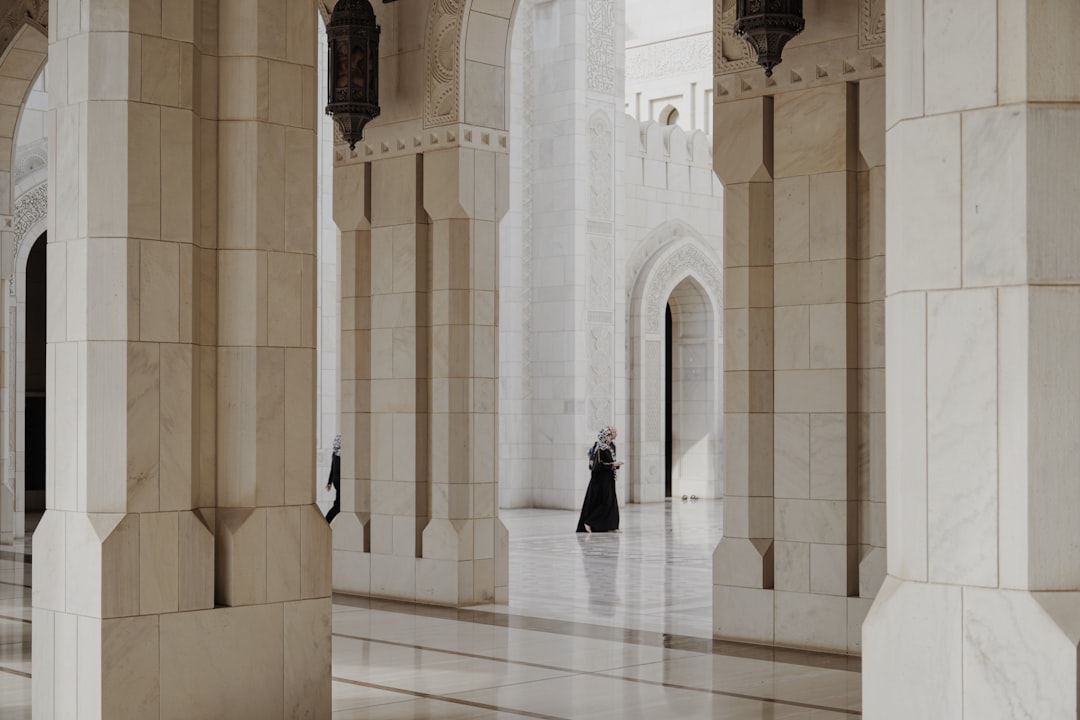

In the heart of Oman, the Mosque represents a place of worship of immense importance for the Muslim community. This building is not just a place of prayer, but a symbol of Islamic culture and history, inviting visitors to explore the spirituality and architecture of this fascinating nation. Located at 23.8931553, 57.2513445, the Mosque is an extraordinary example of how religion and art intertwine in a unique architectural context.

Generally, mosques are sacred spaces where believers gather to pray and reflect. Originally, these structures were simple areas of worship, but over the centuries they have evolved into complex and ornate buildings, characterized by distinctive architectural elements such as minarets and mihrab. Oman, with its rich cultural heritage, offers visitors the opportunity to immerse themselves in a tradition that is rooted in the fundamental principles of Islam.
Historical and Cultural Context
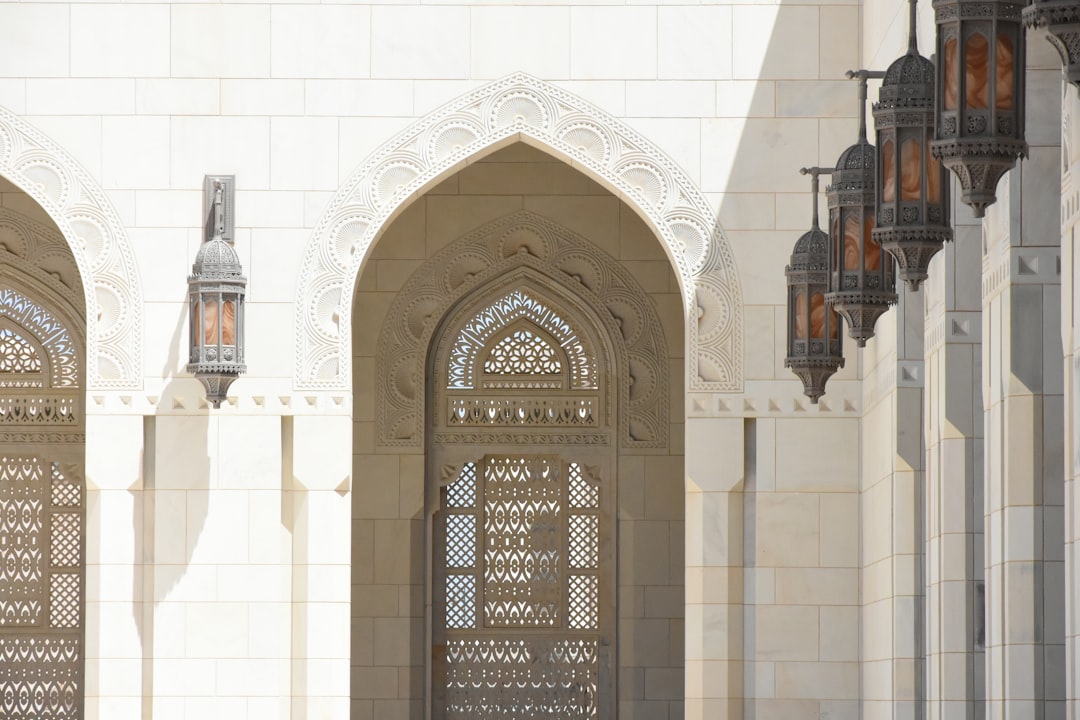
The Mosque is a reflection of the history of Islam and its architectural development. Since its beginnings, mosques have played a crucial role in community life, serving as gathering centers for the faithful. During the early period of Islamic architecture, mosques were open spaces, but over time they transformed into more elaborate places, equipped with features such as minarets, from which the call to prayer is announced. This building is emblematic of the ongoing evolution of Islamic architecture, which has managed to adapt over time while maintaining its core values.
In Oman, the Mosque is not only a place of worship but also a cultural center where events and activities promote knowledge and understanding of Islam. Mosques like this one are designed to welcome believers in an environment that encourages reflection and spirituality. Their importance goes beyond the mere religious aspect, representing a landmark for the community and a symbol of cultural identity.

What Impresses About the Place
What immediately strikes about the place is its breathtaking architecture. The elegant lines and ornamental details of the Mosque capture the attention of anyone approaching. The use of local materials and traditional craftsmanship techniques gives the building an authentic character, making it a work of art in itself. The presence of the mihrab, which indicates the direction of Mecca, is a central element that not only serves a practical function but also enriches the aesthetics of the place.
Moreover, the atmosphere of serenity that pervades the Mosque is palpable. During prayer hours, the silence and devotion of the faithful create an environment of deep reflection. Visitors may feel inspired to explore their spirituality or simply enjoy the beauty of the place. The Mosque, with its majesty and cultural significance, offers an experience that goes beyond mere tourism, inviting a deeper connection with Islamic culture.
Visiting Experience
Visiting the Mosque is a unique opportunity to immerse oneself in the culture and spirituality of Oman. Visitors are welcomed with warmth and respect, and can explore the internal and external spaces of the building. It is important to respect the dress code and behavior norms, as the Mosque is a sacred place. Guided tours provide an in-depth overview of the history and architecture, enriching the experience with details that might escape less informed visitors.
Additionally, the Mosque often hosts cultural and religious events that allow visitors to better understand Islamic traditions. Participating in these activities can be a meaningful way to connect with the local community and appreciate the customs and practices that characterize daily life in Oman. Each visit to the Mosque transforms into a journey of discovery, both personally and culturally.


