


In the heart of Sri Lanka, the Methodist Church stands as a symbol of history and culture, witnessing the legacy of a religious tradition that has crossed oceans and continents. Founded in 1884, this church is part of an important evolution of the Christian confession, which has seen the merging of different denominations to form a single community, as happened in Canada in 1925. The Methodist Church in Sri Lanka is not just a place of worship, but also a cultural landmark that reflects British and American influences in the region.
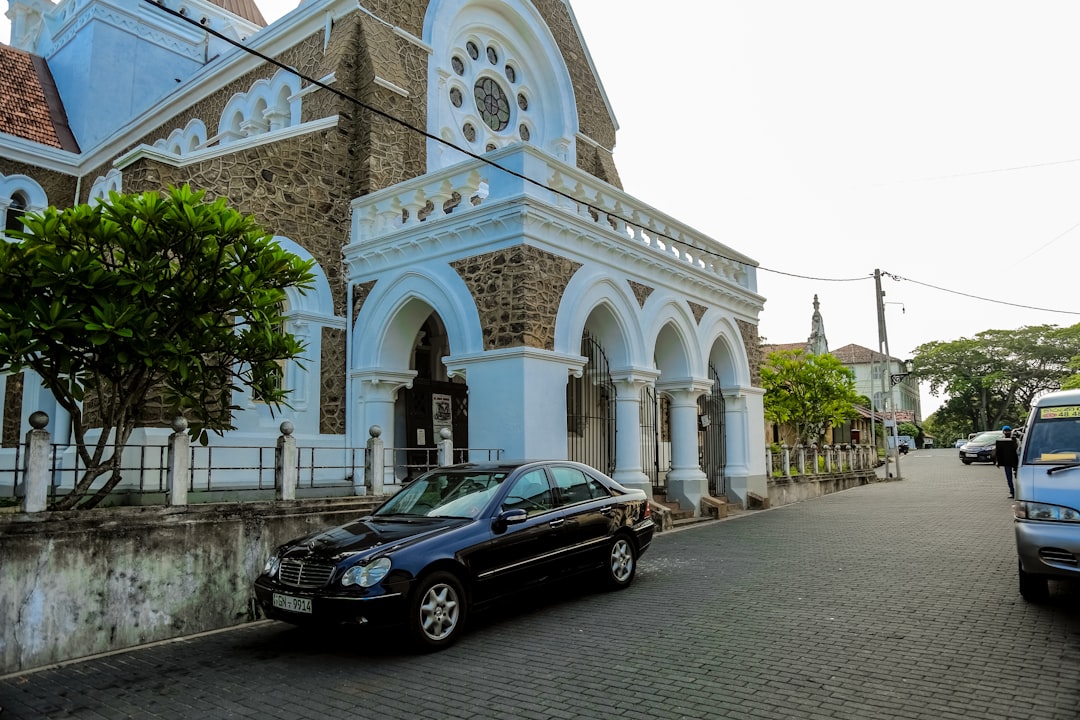
Visiting it means immersing oneself in a historically rich context, where faith and community intertwine. Its foundation has deep roots, linked to missionaries and preachers who brought the Methodist message to distant lands, contributing to an interreligious dialogue that continues to thrive. The Methodist Church stands out not only for its architecture but also for the role it has played in the social fabric of the local community.
Historical and Cultural Context

The Methodist Church, as an integral part of Sri Lanka's religious history, has helped shape the spiritual and cultural life of the country. Its origins date back to a series of mergers between different Methodist denominations, which led to the creation of a cohesive and dynamic community. The Methodist movement, which began in Great Britain, found fertile ground in Sri Lanka, where missionaries worked tirelessly to spread Christian principles among the local population.
Today, the Methodist Church represents not only a community of faith but also a center for social and cultural activities. Its doors are always open to anyone who wishes to learn more about the history of Methodism and its impact on society. The celebrations and events organized by the church are valuable opportunities to immerse oneself in the local culture, creating a bridge between the past and the present.


