
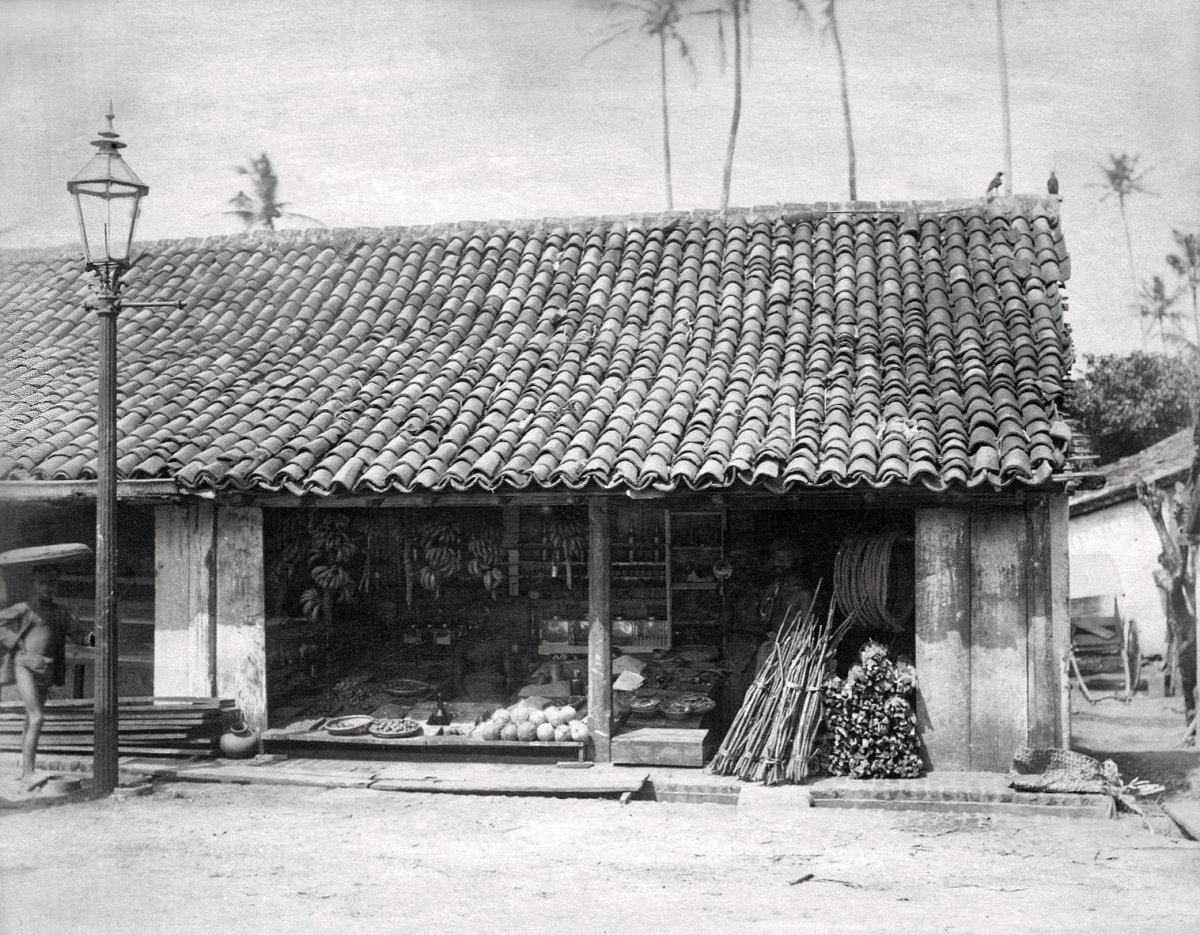

The scent of cinnamon envelops you even before you cross the entrance of the Pettah Market. It is a dense, almost tangible aroma that blends with that of cardamom, cloves, and dozens of other spices that fill the weathered wooden stalls. This historic market in the heart of Colombo, the capital of Sri Lanka, is not just a place to shop: it is a sensory theater where merchants and tourists move among bright colors, sales cries, and the metallic sound of traditional scales.

The origins of the Pettah Market date back to the centuries of colonial rule when the island was one of the main sources of spices for global trade. Even today, strolling through the narrow alleys and crowded stalls, one breathes in that history of trade exchanges that has shaped the island's economy. The vendors here are not just simple merchants: many represent families that have run the same stall for generations, guardians of secret recipes for spice blends and preservation techniques passed down orally.
The scent of spices: where history lives in the grains
Entering the Pettah Market, the senses are immediately assaulted. Sri Lankan cinnamon, among the most precious in the world, is sold in sticks of thin rolled bark, often still moist. Green cardamom displays its fragrant pods in neat piles, while dark cloves shine like little treasures under the light filtering through the partially open roofs. It is not uncommon to also find nutmeg, black pepper, dried ginger, and fresh turmeric, each with its dedicated counter and specialist who knows every nuance of quality.
Prices vary considerably depending on the quality and quantity purchased. A small amount of good quality cinnamon generally costs between 500 and 1500 Sri Lankan rupees (about 1.50-4.50 euros), while fresh cardamom can reach higher prices. Many vendors are willing to negotiate, especially if you buy in larger quantities. A practical tip: visit the market early in the morning, between 7 and 9, when the air is still relatively cool and the counters are full of fresh goods. The market is very crowded during the day and the heat can become overwhelming in the afternoon.
Fabrics, craftsmanship, and everyday life
In addition to spices, the Pettah Market offers an extraordinary variety of traditional fabrics and local craftsmanship. The colorful batiks, with their intricate designs made using the wax-resist technique, hang from hooks in dedicated sections. The printed cotton fabrics with geometric and floral patterns characteristic of Sri Lankan tradition occupy entire counters. Here you will also find traditional sarongs, local garments, and decorative scarves that the local women wear daily.
The craftsmanship ranges from carved wooden bowls to small brass items, from handmade bracelets to traditional headgear. What makes this part of the market fascinating is watching the artisans at work: many have their small workshop right in the market, where they create and repair items in front of the eyes of passersby. Their hands move with a precision that comes only from years of practice.
Navigating the market: practical tips for the visitor
The Pettah Market is located in the old area of Colombo, easily reachable by tuk-tuk from most hotels in the city. The journey generally takes between 15 and 30 minutes depending on traffic. Once you arrive, expect to spend at least two hours exploring the various sectors, although many visitors stay longer, captivated by the energy of the place.
Bring a large bag or backpack for shopping, as vendors do not provide sturdy bags. Keep an eye on your personal belongings in such a crowded place. If you do not speak Sinhalese or Tamil, communicate with the vendors using gestures and numbers, or download a translation app on your phone. Finally, bring cash in Sri Lankan rupees: many small vendors do not accept credit cards. With these tips, the Pettah Market reveals all its magic.


