
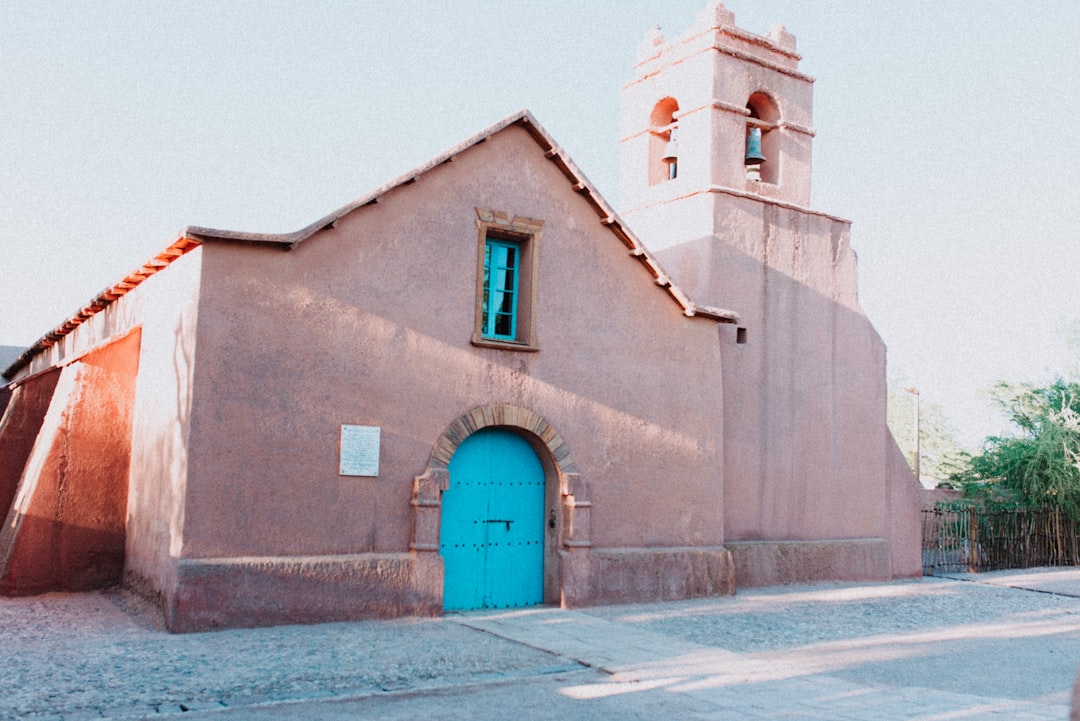

In the heart of Santiago, the Parroquia de Santa Filomena is an architectural gem that tells centuries of history and culture. Located in the Patronato neighborhood, this church dates back to 1884 and is dedicated to Santa Filomena, a martyr revered by many. Its construction was commissioned by Don Ruperto Marchant, a priest who led the project of architect Eugenio Joannon, creating a place of worship that is not only a religious landmark but also a symbol of resilience and beauty.

The church, in neo-Gothic style, stands out for its elegance and refined details. The internal decorations, which imitate materials like stone and marble, have been crafted with mastery, while the stained glass windows, sourced directly from France, create suggestive plays of light. Despite challenges, such as the devastating earthquake of 1985, the Parroquia has maintained its charm and cultural significance, so much so that it was declared a Chilean national heritage site in 1995.
Historical and Cultural Context
The Parroquia de Santa Filomena is a significant example of Chile's religious and social history. Built during a time of great religious fervor, the church was financed by donations from wealthy families of the 19th century, reflecting the community's commitment to supporting the Catholic faith. Its neo-Gothic architecture is not only an aesthetic choice but also represents a connection to European traditions, particularly Italian ones, thanks to the influence of the Josephite Fathers who worked there.
Moreover, the church has witnessed significant historical events, including conflicts and social tensions that have marked Chile's history. Its resilience to earthquakes symbolizes a culture that has learned to face adversity, making the Parroquia a place of reflection that is not only spiritual but also historical.
What Impresses About the Place
Upon entering the Parroquia de Santa Filomena, visitors are immediately struck by the majesty of its interior. The colorful stained glass windows, filtering sunlight, create an almost magical atmosphere, while architectural details such as pinnacles and spires capture the attention of art and history lovers. Every corner of the church tells a story, inviting visitors to explore and discover the meaning of each decoration.
The tranquility felt inside is an invitation to meditation and contemplation. The Parroquia is not only a place of worship but also a meeting space for the community. During religious celebrations, one can feel a strong sense of belonging and sharing, further enriching the visiting experience.
Visiting Experience
Visiting the Parroquia de Santa Filomena is an experience that goes beyond simply observing a historic building. Visitors can participate in masses and ceremonies, immersing themselves in the spiritual life of the local community. Additionally, the church often hosts cultural and artistic events, providing the opportunity to appreciate Chilean culture in a unique context.
For those wishing to deepen their knowledge of the church's history and architecture, guided tours are available that offer fascinating details about its construction and the artworks housed within. These tours make the Parroquia an ideal place not only for believers but also for culture and history enthusiasts.
Practical Information for Visitors
The Parroquia de Santa Filomena is easily accessible by public transport, located in the vibrant Recoleta neighborhood, which also offers many other attractions. Mass schedules are regular, and it is advisable to check in advance if you wish to attend special events. Entrance to the church is free, but donations can be made to support the maintenance of the site.
It is recommended to visit the Parroquia during daylight hours to fully appreciate the beauty of the stained glass and the serene atmosphere. Don't forget to bring your camera to capture the architectural details and the suggestive plays of light. For further tips on what to see and do in Santiago, you can consult the Secret World app, which offers valuable information for exploring the city better.


