
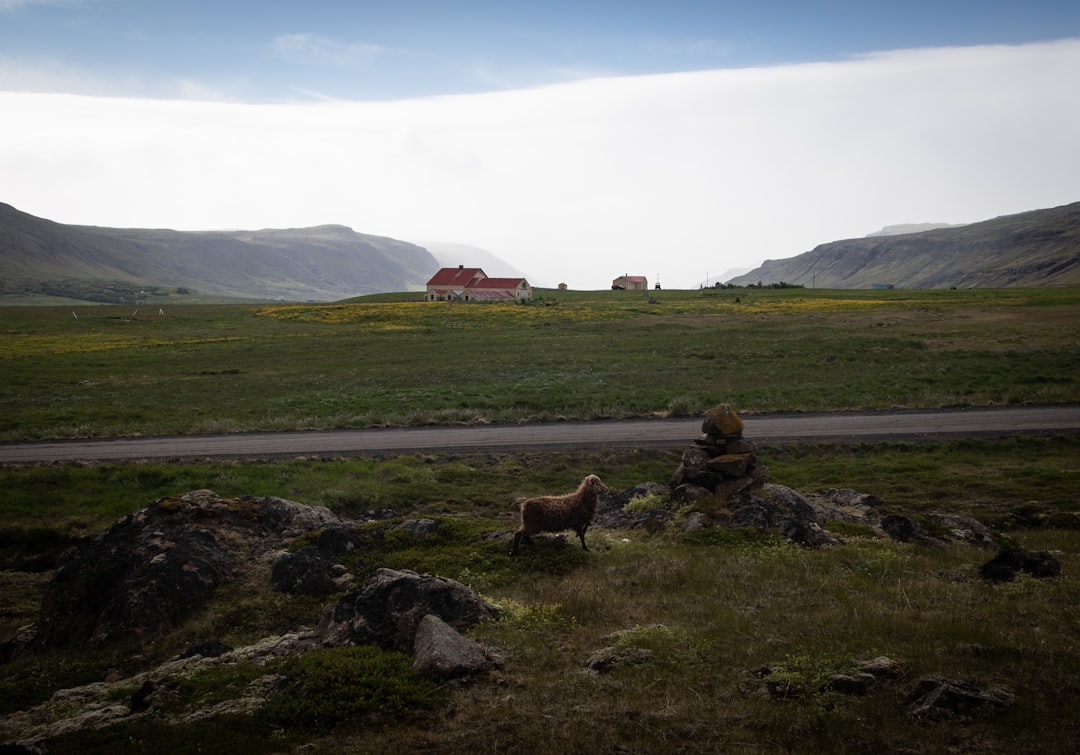

In the heart of Iceland, where volcanic lands meet the sea, we find Þorsteinn Erlingsson, a poet who has left an indelible mark on Icelandic culture. Born in 1858, Erlingsson dedicated his life to writing verses that challenge social conventions and celebrate the beauty of nature. His work, infused with romanticism and social critique, continues to inspire readers and poets, making him a central figure in Icelandic literature.
The life of Þorsteinn was marked by significant experiences: after studying law in Copenhagen, he returned to Iceland in 1895, where his poetry began to gain popularity. With a sharp pen, he addressed social injustices, criticizing the ruling classes and the church, while simultaneously celebrating the beauty of the Icelandic landscape. His work "Þyrnar" ("Spine") is a perfect example of his ability to blend these themes into a single poetic voice.
Historical and Cultural Context
Þorsteinn Erlingsson lived during a time of great upheaval for Iceland. At the turn of the 19th and 20th centuries, the country was undergoing a process of modernization and growing national awareness. The struggle for independence from Denmark was intensifying, and Erlingsson's poetry reflected this climate of change. His works, such as "Arfurinn", lashed out against the Danish oppressors, while others, like "Í Hlíðarendakoti", evoked nostalgic memories of a simple and genuine childhood.
His writing was not only a social critique; it was also a love song for the Icelandic nature. Through his verses, Erlingsson managed to capture the essence of Iceland's breathtaking landscapes, paying homage to a world that was changing rapidly. His ability to intertwine social and natural themes made his poetry an authentic reflection of his time and cultural identity.
What Strikes You About the Place
Visit Reykjavík, the capital of Iceland, and you cannot help but feel the influence of Þorsteinn Erlingsson. The city is a vibrant center of culture and art, with museums and galleries celebrating Icelandic literature. Of particular interest is the National Museum of Iceland, where visitors can explore the history and culture of the country, including the literary heritage of poets like Erlingsson. The streets of Reykjavík, with their unique architecture and lively cafés, offer an atmosphere that stimulates creativity and reflection.
Moreover, the natural landscapes surrounding the city are an irresistible draw for nature lovers. The majestic mountains, geysers, and waterfalls that dot the Icelandic territory are elements that not only inspired Erlingsson but continue to enchant anyone who visits these lands. The harmony between poetry and the Icelandic landscape is palpable, making every visit a poetic experience in itself.
Visiting Experience
A trip to Reykjavík is not complete without a walk through the places that inspired Erlingsson. Visitors can explore the city center, immersing themselves in local culture and visiting the sites that served as backdrops for his works. Don't forget to stop by one of the historic cafés, where Icelandic literature is still alive and vibrant, and where you can discuss the themes of his poems with the locals.
Additionally, participating in literary events or poetry festivals can further enrich the experience. These events offer the opportunity to hear readings of works by contemporary poets and delve into the Icelandic poetic tradition, which continues to evolve. Every encounter with local culture offers a new point of reflection, making the visit to Reykjavík a memorable experience.
Practical Information for Visitors
Reykjavík is easily accessible via international flights, and once you arrive, the city offers an efficient public transport system. It is recommended to explore the city center on foot, where many attractions are within walking distance of each other. For those wishing to delve deeper into the life and work of Þorsteinn Erlingsson, a visit to the Reykjavík Literary Museum is highly recommended, where you can learn more about his life, his works, and the historical context in which he wrote.
Finally, for those who wish to further discover Icelandic culture and the hidden treasures of the country, the Secret World app can be an excellent resource for exploring lesser-known itineraries and deepening the travel experience authentically.


