



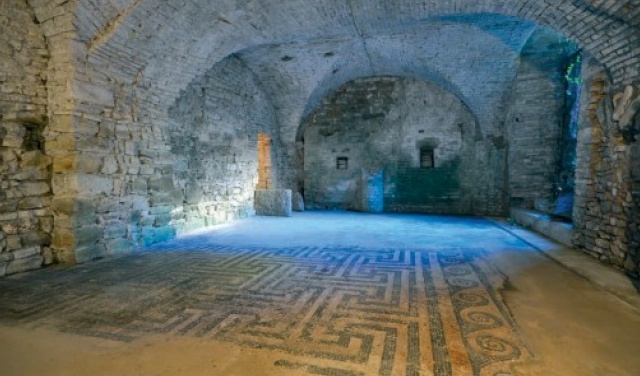
Nestled in the charming town of Bevagna, the Domus Romana offers a remarkable glimpse into the life of ancient Rome. This well-preserved site, dating back to the 1st century A.D., captivates visitors with its intricate architecture and artistic elements. As you step into the courtyard behind Silvestri's house, you’ll find this hidden gem, a testament to the opulence and sophistication of Roman domestic life.
The history of the Domus Romana is intertwined with the broader narrative of Bevagna, a town that flourished during the Roman Empire. Originally established as a settlement by the Umbrians, Bevagna became an important Roman municipality, benefiting from its strategic location along the Via Flaminia. The domus itself, although its exact purpose remains uncertain, is a significant archaeological find, showcasing the architectural prowess of the Romans.
Architecturally, the Domus Romana stands out for its rectangular shape, a rarity among Roman complexes. The structure is notable for its use of a variety of stones—white, pink, and grey—carefully arranged in latticework patterns. Half-columns of bricks add a vertical element to the design, creating an impression of elegance. The highlight is undoubtedly the stunning mosaic floor, composed of small black and white tesserae. This intricate artwork features a meander and a band of waves, encapsulating the artistic sensibilities of the time. Visitors can descend a staircase that leads to an even older room, where a white mosaic floor of large tiles and opus spicatum patterns beckons, hinting at the sophistication that thrived in Roman households.
The local culture in Bevagna is steeped in tradition, with festivals that celebrate its rich history. One of the most notable events is the “Mercato delle Gaite,” held every June. This medieval festival transports visitors back in time, allowing them to experience crafts, games, and culinary delights reminiscent of the Middle Ages. The town’s residents don period costumes, and the air fills with the aromas of traditional foods, making it an unforgettable experience.
Speaking of food, Bevagna boasts a rich gastronomic heritage that reflects its agricultural roots. Strangozzi, a handmade pasta, is a local specialty, often served with a sauce of black truffles or wild boar ragu. Pair this with a glass of Sagrantino di Montefalco, a robust red wine that complements the region's hearty dishes. The town's cuisine emphasizes fresh, local ingredients, ensuring that every meal is a celebration of Umbria's bountiful offerings.
For those curious about lesser-known aspects of the Domus Romana, interesting stories abound. One such detail is the mystery surrounding whether the building was private or public. This ambiguity adds an air of intrigue, inviting visitors to ponder the lives of those who once inhabited these rooms. Additionally, the meticulous craftsmanship of the mosaics is not merely decorative; they speak volumes about the social standing and cultural values of their owners.
Visiting the Domus Romana is best during the spring and early autumn months when the weather is pleasant and the surrounding countryside is in full bloom. To make the most of your experience, consider joining a guided tour to gain deeper insights into the site’s history and significance. Look out for the intricate details in the mosaics and the architectural elements that tell a story of their own.
As you explore this ancient treasure, take a moment to absorb the tranquil atmosphere of Bevagna, where history and modern life seamlessly intertwine. With its rich tapestry of history, art, and culture, the Domus Romana is a must-visit for anyone seeking to understand the depth of Roman heritage in Italy.
For a personalized journey through Bevagna and its hidden wonders, consider using the Secret World app to plan your itinerary.
