



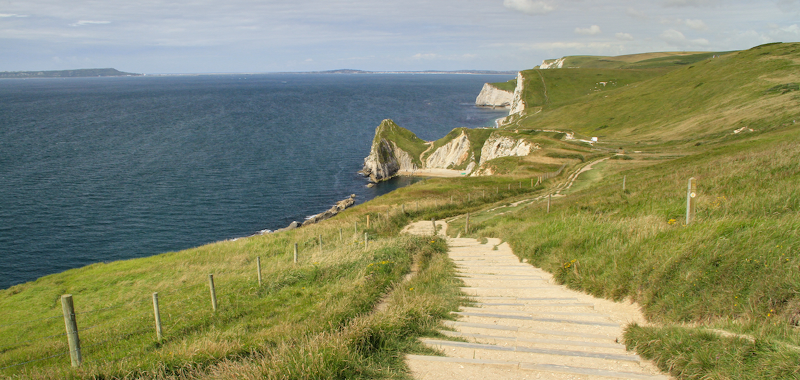
The Jurassic Coast is not just a stunning stretch of land; it is a walk through time, offering a glimpse into 185 million years of Earth's history. This 95-mile coastline spans from Exmouth in Devon to Studland Bay in Dorset, and it has been designated a UNESCO World Heritage Site for its remarkable geological significance. Visitors flock from all corners of the globe to explore this ancient terrain, where the remnants of prehistoric life are etched into the cliffs and shores.

### History and Origins
The formation of the Jurassic Coast began in the Triassic, Jurassic, and Cretaceous periods, laying the foundation for an extraordinary geological timeline. The Lias Group, which comprises the oldest rocks in the region, dates back to around 200 million years ago. As you walk along the coastline, you can find fossils of ammonites, ichthyosaurs, and even giant marine reptiles, giving a tangible sense of Earth's distant past.

Human history here is equally compelling. The area has been inhabited since the Stone Age, with evidence of ancient settlements scattered throughout. The Dorset Ooser, a wooden mask dating back to the 19th century, symbolizes the region's rich folklore, while the Cerne Abbas Giant, a chalk figure carved into a hillside, adds an air of mystery to the landscape.
### Art and Architecture
The Jurassic Coast is not just a natural wonder; it also boasts a wealth of artistic inspiration. The Victorian era saw a surge in interest in the coastal landscape, leading to an explosion of art that captured its rugged beauty. The Dorset Natural History and Archaeological Society museum in Dorchester features numerous artworks that celebrate the region’s unique geological features.
In terms of architecture, the coast is dotted with charming villages such as Lyme Regis, known for its Georgian buildings and the iconic Lyme Regis Cobb, a historic harbor wall that dates back to the 13th century. The cobbled streets and quaint cottages evoke a sense of nostalgia, while the surrounding cliffs have inspired artists from John Constable to J.M.W. Turner.
### Local Culture and Traditions
The culture of the Jurassic Coast is infused with local traditions and festivals that celebrate its rich heritage. The annual Lyme Regis Fossil Festival held in May, showcases the region's paleontological significance, featuring workshops, talks, and fossil hunting trips.
Additionally, the area's maritime history is celebrated during the Cranborne Chase and West Wiltshire Downs Festival, where visitors can experience traditional crafts, storytelling, and food stalls featuring local produce. The blend of coastal and rural customs creates a vibrant tapestry of life that is unique to Dorset.
### Gastronomy
The culinary scene along the Jurassic Coast is a delightful exploration of local flavors. Seafood is undoubtedly a highlight, with fresh catches of crab, lobster, and fish served in seaside restaurants. Don’t miss the opportunity to try the region's famed Dorset crab, known for its sweet, tender meat.
For those with a sweet tooth, Dorset apple cake is a must-try, celebrated for its moist texture and rich flavor. Pair it with a cup of Dorset Tea, a blend that captures the essence of this picturesque area. Local breweries also offer a variety of ales, with Palmers Brewery in Bridport being one of the oldest, established in 1794.
### Lesser-Known Curiosities
While the Jurassic Coast is renowned for its fossils, there are many hidden gems that often go unnoticed. For instance, the Fossil Forest at Lyme Regis is a stunning site where you can witness fossilized tree stumps that date back to the Jurassic period.
Another unique curiosity is the Chesil Beach, a natural barrier beach that stretches for 18 miles and is composed of pebbles from the surrounding cliffs. The beach has a unique ecosystem and is home to diverse wildlife, making it an excellent spot for birdwatching.
### Practical Visitor Information
The best time to visit the Jurassic Coast is during the spring and summer months (April to September) when the weather is mild and the scenery is at its most vibrant. For those interested in fossil hunting, the Lyme Regis and Charmouth areas are particularly fruitful, with guided tours available for novice hunters.
When exploring, be sure to wear sturdy walking shoes, as the coastal paths can be steep and uneven. Don’t forget to bring a camera; the cliffs, with their striking colors and textures, provide spectacular photo opportunities.
Whether you are an avid geologist, a history buff, or simply someone looking to enjoy breathtaking views, the Jurassic Coast has something for everyone.
To enhance your experience, consider using the Secret World app to plan a personalized AI itinerary for your visit.
