
← Back

Elephant Rock

07031 Castelsardo SS, Italia ★★★★☆ 199 views
Alexandra Cool
Castelsardo
🏆 AI Trip Planner 2026

Get the free app

Discover the best of Castelsardo with Secret World — the AI trip planner with 1M+ destinations. Get personalized itineraries, hidden gems and local tips. Free on iOS & Android.

🧠 AI Itineraries 🎒 Trip Toolkit 🎮 KnowWhere Game 🎧 Audio Guides 📹 Videos
Scan to download iOS / Android
Scan for AppGallery Huawei users

About Elephant Rock

Elephant Rock - Castelsardo | Secret World Trip Planner

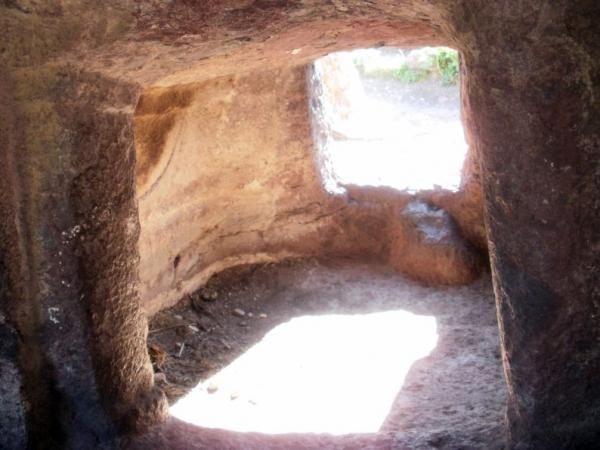
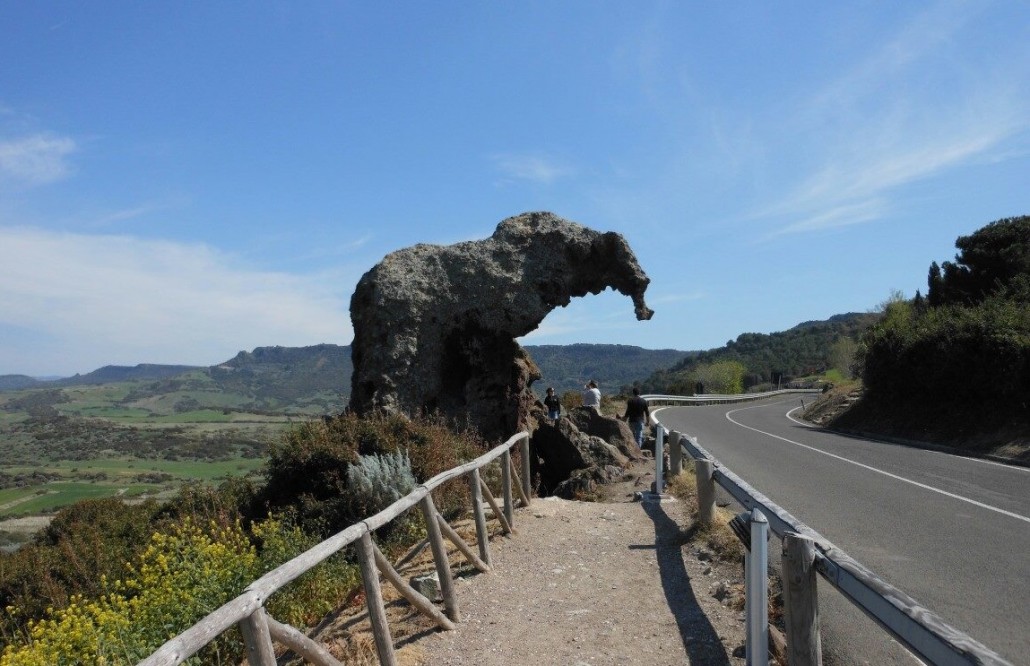
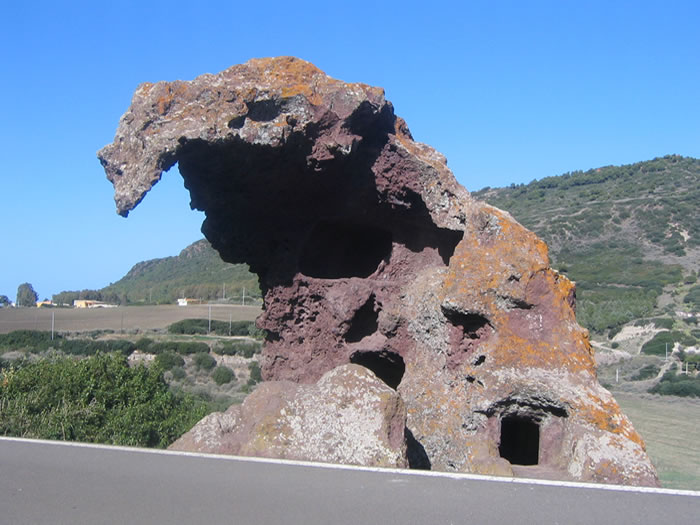
The Elephant Rock is also known as Sa Pedra Pertunta, the pierced rock, with obvious reference to its peculiar shapes. Inside it, two domus de janas from the Neolithic period were excavated at later times and on different elevations.
Elephant Rock - Castelsardo | Secret World Trip Planner

The tomaba of the upper floor (or tomb II) lacks the entrance that led to the other three communicating cells, while that of the lower floor (or tomb I) consists of four cells, and was, originally, preceded by a short open-air corridor (dromos) of which few traces remain.

The latter is characterized by the presence, inside one of the compartments, of bovine horns carved into the walls. The bovine protomes, or simple horns, which often appear carved into the walls of domus de janas, probably represented a taurine deity, a god worshipped for his strength and linked to the concept of regeneration, which in antiquity was always accompanied by that of death.
Elephant Rock - Castelsardo | Secret World Trip Planner

In addition to the iconography of the male element (the taurine protome), it is important to note that in the compartment of Tomb I there are signs of prenuragic funerary ideology aimed at reproducing the aarchitectural elements of the house of the living, as if to signify a close link of continuity between earthly existence and the world of the dead. All these elements seem to characterize the cella as a cultic compartment, probably intended for the performance of the funerary rites of relatives, while the deceased were laid to rest in subsequent cells.

🗺 AI Trip Planner 2026

Plan your visit to Castelsardo

Suggested itinerary near Elephant Rock

MAJ+
500.000+ travelers worldwide
  1. 🌅
    Morning
    Elephant Rock
    📍 Castelsardo
  2. ☀️
    Afternoon
    Italy : Elephant Rock
    📍 0 km · Castelsardo
  3. 🌆
    Evening
    Gulf of Asinara and the beautiful beach of Platamona
    📍 16.5 km · Castelsardo

Buy Unique Travel Experiences

Powered by Viator

See more on Viator.com

Explore nearby · Castelsardo

Frequently Asked Questions

Elephant Rock, also known as Sa Pedra Pertunta (meaning 'the pierced rock'), is a unique geological formation named for its distinctive shape that resembles an elephant. The site contains two Neolithic domus de janas (fairy houses), which are ancient rock-cut tombs that were discovered and excavated at different times and elevations within the rock formation.
The upper tomb (Tomb II) lacks an entrance but features multiple communicating cells, while the lower tomb (Tomb I) consists of four cells and was originally preceded by a short open-air corridor called a dromos. The most notable feature is inside Tomb I, where bovine horns are carved into the walls, believed to represent a taurine deity associated with strength, regeneration, and ancient death rituals.
The bovine protomes (horn carvings) found in Tomb I likely represented a taurine deity worshipped in Neolithic times for his strength and connection to concepts of regeneration and death. These symbols, common in domus de janas throughout the region, reflect the spiritual beliefs and religious practices of ancient Sardinian societies.
Tomb I was designed to mirror the architectural elements of living houses, symbolizing a continuity between earthly life and the afterlife in Neolithic Sardinian culture. One compartment appears to have been designated as a cultic space where funerary rites were performed for relatives, while the deceased were laid to rest in the subsequent cells, revealing sophisticated prenuragic funeral ideology.
Elephant Rock dates back to the Neolithic period and is historically significant as it contains two well-preserved domus de janas, which provide valuable insights into ancient Sardinian burial practices and spiritual beliefs. The carved decorations and architectural design of these tombs demonstrate the sophistication of Neolithic funerary ideology and the cultural importance placed on connecting the living world with the realm of the dead.
