

← Back

Elgin Marbles at British Museum of London

Great Russell St, Bloomsbury, London WC1B 3DG, Regno Unito ★★★★☆ 485 views
Elena Bocchino
Bloomsbury
🏆 AI Trip Planner 2026

Get the free app

Discover the best of Bloomsbury with Secret World — the AI trip planner with 1M+ destinations. Get personalized itineraries, hidden gems and local tips. Free on iOS & Android.

🧠 AI Itineraries 🎒 Trip Toolkit 🎮 KnowWhere Game 🎧 Audio Guides 📹 Videos
Download on the App Store Get it on Google Play
Scan to download Scan to download
Elgin Marbles at British Museum of London - Bloomsbury | Secret World Trip Planner

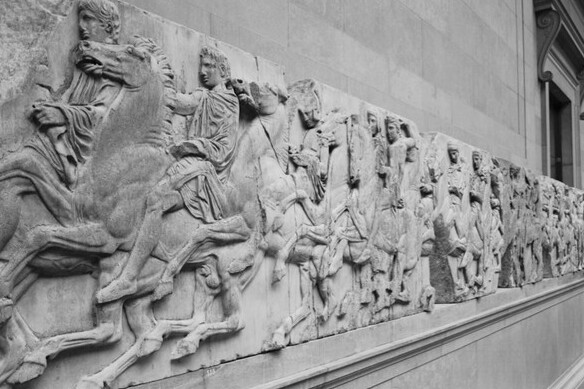
The Elgin Marbles, now referred to as the Parthenon Sculptures, reside in the British Museum in London, embodying a rich tapestry of ancient Greek history and artistry. These exquisite pieces, originally part of the Parthenon on the Acropolis of Athens, are a testament to the cultural vigor of classical Greece and its architectural genius. Their journey from Greece to England is steeped in controversy, igniting discussions about cultural heritage and rightful ownership that resonate to this day.

Elgin Marbles at British Museum of London - Bloomsbury | Secret World Trip Planner

### History and Origins

The Parthenon, a magnificent temple dedicated to the goddess Athena, was completed in 432 BC during the height of the Athenian Empire. Designed by the architects Ictinus and Callicrates and adorned with sculptures by the renowned artist Phidias, it symbolized the power and culture of Athens. The temple was not just a religious site; it represented the democratic ideals and artistic aspirations of the city.

Elgin Marbles at British Museum of London - Bloomsbury | Secret World Trip Planner

In the late 18th century, the Acropolis was under Ottoman control, and many of its treasures were at risk of neglect and destruction. Thomas Bruce, the 7th Lord Elgin, serving as the British ambassador to the Ottoman Empire from 1799 to 1803, sought permission from the Sublime Porte to document these masterpieces. He was granted the right to remove sculptures and architectural details, leading to the transportation of these artifacts to England. However, the ethical implications of this removal sparked fierce debate that continues to this day.

### Art and Architecture

The Parthenon Sculptures consist of over 250 pieces, including friezes, metopes, and pedimental sculptures, showcasing the pinnacle of Classical Greek art. Crafted from Pentelic marble, these works are characterized by their exquisite detail and lifelike representations. The Elgin Marbles feature scenes from Greek mythology, including the Panathenaic procession, which celebrated Athena's birthday, and the battle between the Lapiths and Centaurs—a powerful allegory of civilization versus barbarism.

Architecturally, the Parthenon is a prime example of Doric order, enhanced with Ionic elements. Its proportions and the optical refinements, such as slight curvature in the columns, demonstrate a mastery of geometry that has influenced architectural design for centuries. The marbles encapsulate a moment of history frozen in time, representing not only artistic skill but also the philosophical concepts of beauty and harmony.

### Local Culture and Traditions

While the Elgin Marbles are a product of ancient Greece, they continue to inspire local culture and traditions. In Greece, the legacy of the Parthenon endures through various festivals, such as the Athens Festival, held every summer at the Herodion Theatre near the Acropolis. This event showcases local and international performers, celebrating ancient dramas and contemporary works, all under the shadow of the Acropolis.

Moreover, the debate over the return of the Elgin Marbles has spurred a cultural renaissance in Athens. Activists, artists, and scholars rally for the marbles' restitution, emphasizing the importance of cultural identity and heritage. This movement fosters a deeper appreciation for Greece’s ancient past among locals and visitors alike.

### Gastronomy

Exploring the culinary scene in Greece provides an enriching context to the history of the Elgin Marbles. Traditional dishes such as moussaka (a layered eggplant casserole), souvlaki (grilled skewered meat), and dolmades (stuffed grape leaves) reflect the Mediterranean diet that has thrived for millennia. Accompanying these dishes with a glass of ouzo, an anise-flavored aperitif, offers a taste of local culture that echoes the ancient Greeks' love for communal dining.

In London, you’ll find numerous restaurants that celebrate Greek cuisine, bringing a slice of this vibrant culture to the city. Sharing a meal inspired by the flavors of Greece enhances the experience of appreciating the marbles, as it connects the past with the present.

### Lesser-Known Curiosities

One often-overlooked aspect of the Elgin Marbles is their journey after removal. The pieces were not simply displayed; they underwent various restorations and even faced damage during World War II. Interestingly, some of the marbles have been the subject of restoration techniques that have sparked debate among art historians regarding authenticity and preservation ethics.

Moreover, the term "Elgin Marbles" is somewhat misleading; while many pieces bear his name, not all were collected by Lord Elgin. Additionally, the British Museum has extensive collections from other cultures, emphasizing the museum's role in global heritage and the complexities surrounding the display of cultural artifacts.

### Practical Visitor Information

Visiting the British Museum to see the Elgin Marbles is an enlightening experience. The museum is open year-round, with free entry to the permanent collection, including the Parthenon Sculptures. To fully appreciate these masterpieces, consider visiting during the quieter months of late autumn or early spring, when crowds are thinner.

Plan your visit by checking the museum's schedule for special exhibitions or guided tours that delve deeper into the history of the marbles. Look for informative plaques near the sculptures, providing context and insights into their significance.

As you marvel at these ancient treasures, consider how they connect the past with present cultural dialogues. To enrich your experience, using the Secret World app can help you craft a personalized itinerary that uncovers hidden gems in London and beyond.

🗺 AI Trip Planner

Plan your visit to Bloomsbury

Suggested itinerary near Elgin Marbles at British Museum of London

MAJ+
500.000+ travelers worldwide
  1. 🌅
    Morning
    Elgin Marbles at British Museum of London
    📍 Bloomsbury
  2. ☀️
    Afternoon
    London and the famous the Rosetta Stone
    📍 0 km da Bloomsbury
  3. 🌆
    Evening
    British Museum: one of the most beautiful collections in the world
    📍 0 km da Bloomsbury

Buy Unique Travel Experiences

Powered by Viator

See more on Viator.com

Explore nearby · Bloomsbury