
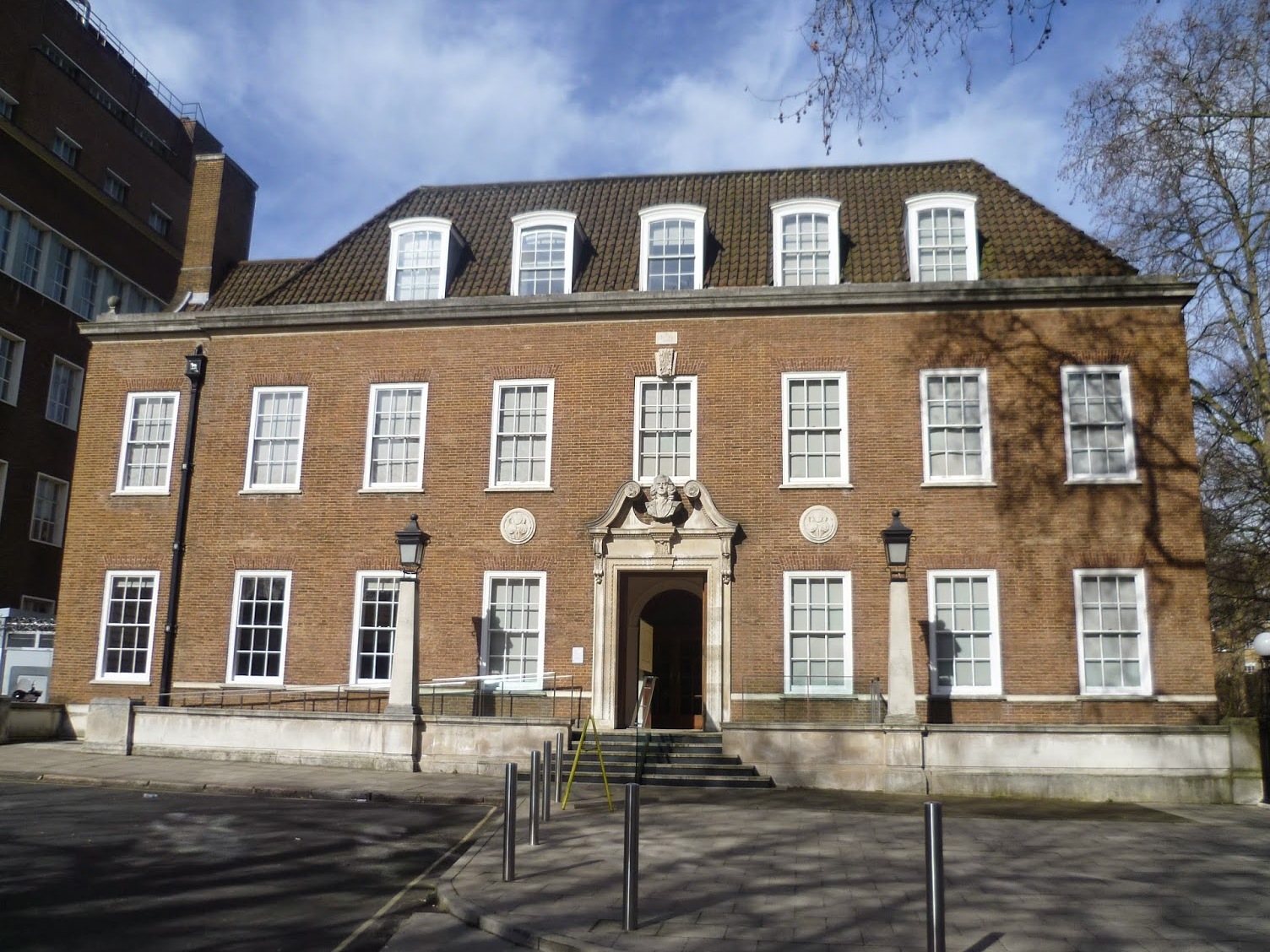

Nestled in the heart of London, the Foundling Museum offers a poignant glimpse into the past, narrating a story that is as touching as it is vital. As you step through its doors, you are transported back to the 18th century, a time when the plight of abandoned children prompted one of the UK's most significant charitable movements. The museum stands as a tribute to the Foundling Hospital, established in 1739 by the philanthropic sea captain Thomas Coram. Coram, moved by the dire conditions of London's abandoned children, devoted 17 years to his cause before receiving a royal charter from King George II, leading to the creation of Britain's first home for these vulnerable youngsters.
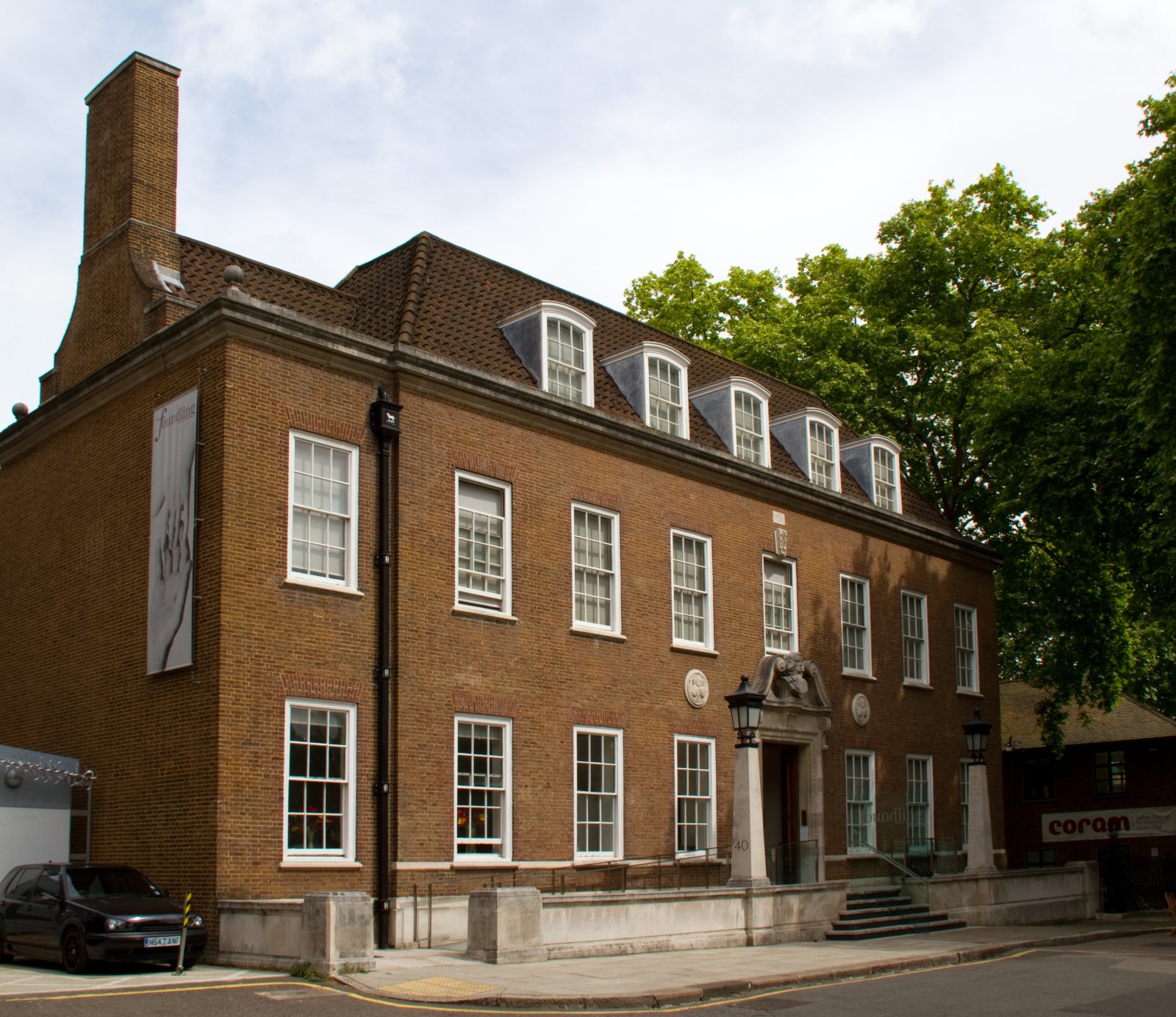
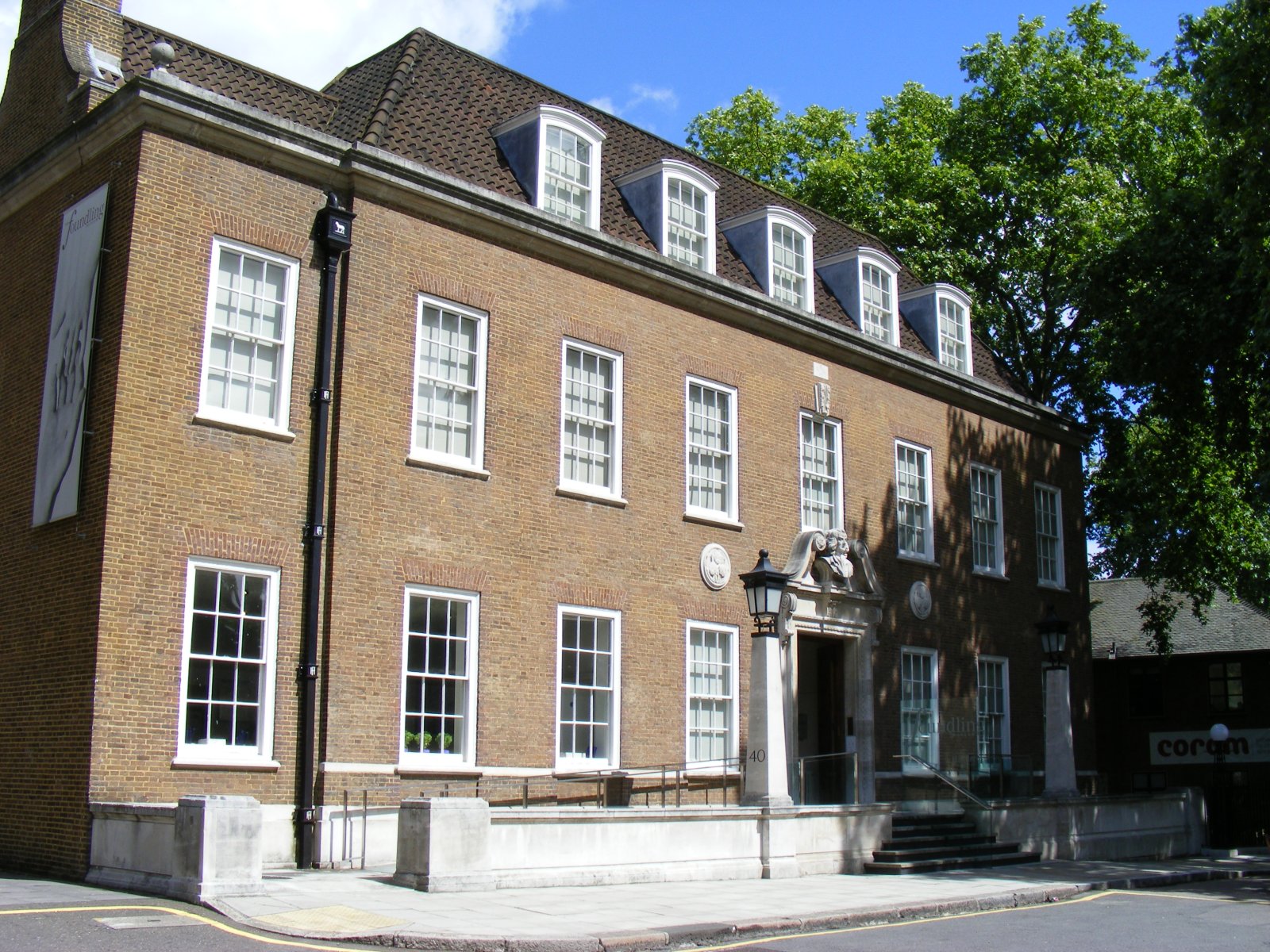
The museum's architecture is as much a part of its charm as the exhibits it houses. Although the original hospital building no longer stands, the current structure, designed by architect Ted Cullinan and opened in 2004, respects the Georgian elegance that characterized the original site. Its clean lines and thoughtful design allow visitors to focus on the museum's moving narrative. Inside, the Picture Gallery is a highlight, featuring works by artists such as William Hogarth and Thomas Gainsborough, both of whom were among the hospital's early supporters. Hogarth, in particular, was instrumental in using art to raise awareness and funds, donating several of his pieces to the cause.
The cultural significance of the Foundling Museum is deep-rooted in its ability to bridge art and social history. The museum not only chronicles the evolution of child welfare but also celebrates the arts as a powerful tool for social change. Its partnership with eminent composer George Frideric Handel, who conducted annual benefit concerts at the hospital, exemplifies this relationship. Handel's legacy endures, with his original score of the "Messiah" housed within the museum.
Local culture around the museum is imbued with a sense of historical continuity and philanthropy. While the area doesn't host specific festivals tied to the museum, the spirit of charity and community resonates through events and activities organized to involve and support local children and families. The museum's educational programs continue this tradition, offering workshops and resources to engage young minds.
When it comes to gastronomy, the museum itself doesn't boast a culinary experience, but the surrounding area of Bloomsbury offers an array of traditional British fare. Visitors can enjoy a hearty meal at local pubs, where dishes like fish and chips or a classic Sunday roast provide a taste of the region's culinary heritage. Nearby, you might find tea rooms serving a quintessentially British afternoon tea, complete with scones, clotted cream, and jam.
For those intrigued by lesser-known curiosities, the museum holds secrets that often escape the casual visitor. One such detail is the collection of tokens—small, personal items left by mothers with their children, intended as identifiers should circumstances allow for a reunion. These tokens, ranging from coins to scraps of fabric, speak volumes about the human stories behind the institution's austere history.
When planning a visit, the best time to explore the Foundling Museum is during the quieter weekdays, allowing for an unhurried experience of its galleries and exhibits. The museum is open from Tuesday to Sunday, and while it is accessible year-round, visiting in spring or autumn can offer a more pleasant stroll through the nearby Coram's Fields, a park that continues the legacy of supporting children's play and education.
As you explore, be sure to take a moment in the museum's Handel Gallery, where the sounds of Handel's compositions often play softly, adding an auditory layer to the visual and emotional journey. This museum is not just a historical exploration but a reminder of the enduring power of community, compassion, and the arts.


