
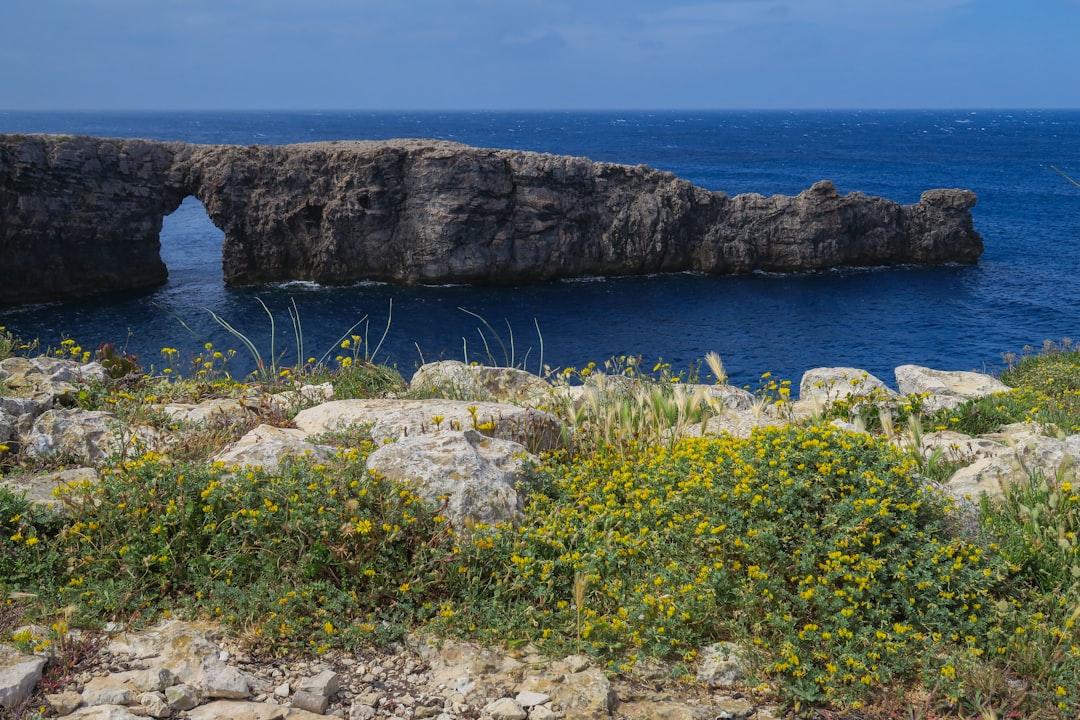

Menorca, one of the enchanting Balearic Islands, is a place where history intertwines with natural beauty. Its capital, Maó, is the ideal starting point to discover the numerous prehistoric sites that dot the island, testifying to the ancient civilizations that inhabited it. These megalithic monuments, including navetes, taules, and talaiots, offer a fascinating glimpse into the lives of our ancestors and the cultural influences that have shaped the island over the millennia.
The strategic location of Menorca in the Mediterranean has made the island a crossroads of cultures. Traces of ancient civilizations, particularly those of the Minoans from Crete, are evident in the archaeological remains, suggesting cultural and technical exchanges. Visiting Menorca means immersing oneself in a rich and complex past, where every stone tells a story.
History and Origins
The prehistoric sites of Menorca are among the most significant in the Mediterranean, dating back to a time when the island was inhabited by agricultural and pastoral communities. These monuments, built with enormous stone blocks, reflect the architectural and artistic skills of ancient populations. The navetes, boat-shaped structures, were used as tombs and represent a fusion of funerary practices and cultural symbolism. The taules, enormous upright stone slabs, are often associated with religious and ceremonial rituals.
External influences, such as those from the Minoans, have left an indelible mark on the local culture. The presence of plastered wooden columns, similar to those found in Crete, suggests that the early inhabitants of Menorca not only imported ideas but also reinterpreted them according to their own traditions and needs. This cultural interaction has helped create a unique identity for the island, which is still reflected today in its architecture and landscapes.
Elements to Observe
A visit to the prehistoric sites of Menorca cannot overlook the discovery of the navetes, which are found in various locations across the island. These structures, with their distinctive shapes, are a clear example of megalithic engineering. The most famous is the naveta des Tudons, a monument that has fascinated historians and archaeologists for its grandeur and state of preservation. Walking around these ancient tombs allows one to imagine the ceremonies that took place centuries ago and to reflect on the connection between death and spirituality of those populations.
The taules, on the other hand, are not just monuments to observe, but true symbols of power and religion. The taula of Torralba d'en Salort is one of the most impressive and offers a spectacular view of the surroundings. These places evoke a sense of wonder and mystery, inviting visitors to explore the stories hidden behind the stones. Each site tells a part of Menorca's collective history, making the journey an educational and fascinating experience.
Why It Is Interesting Today
Today, the prehistoric sites of Menorca are not only an important tourist attraction but also a cultural heritage to be preserved. The growing interest in history and archaeology has led to a renewed enthusiasm for discovering these places. Visitors can participate in guided tours that offer historical and cultural insights, making the visit an engaging and informative experience. Moreover, the natural beauty of the island, with its breathtaking landscapes, creates an ideal context for exploring history.
The ancient traditions and culture of Menorca continue to live on through festivals, events, and artisanal practices, creating a link between the past and the present. The awareness of the importance of these sites has also led to conservation initiatives, ensuring that future generations can enjoy this unique heritage. Menorca is not just a place to visit, but an experience to live, where every corner tells a story.
For those who wish to deepen their experience further, the Secret World app offers valuable information and tips on how to best explore Menorca and its hidden treasures.


