
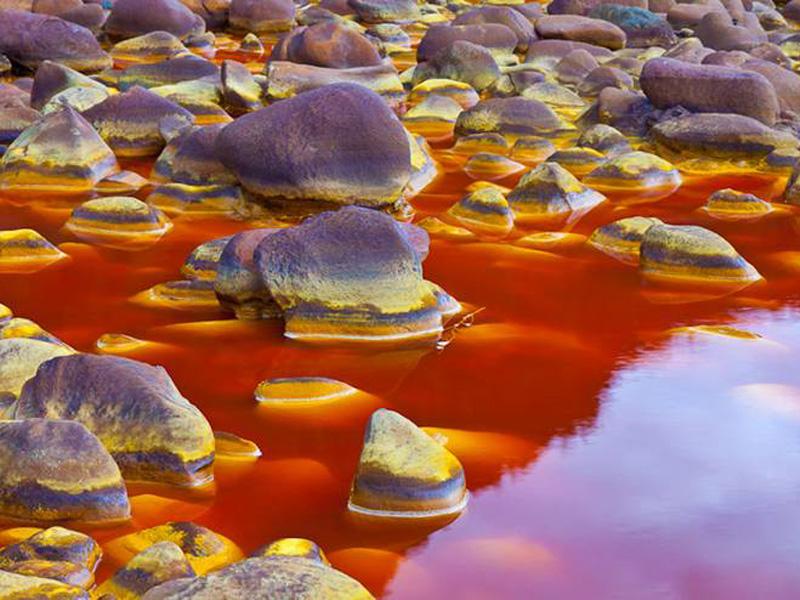

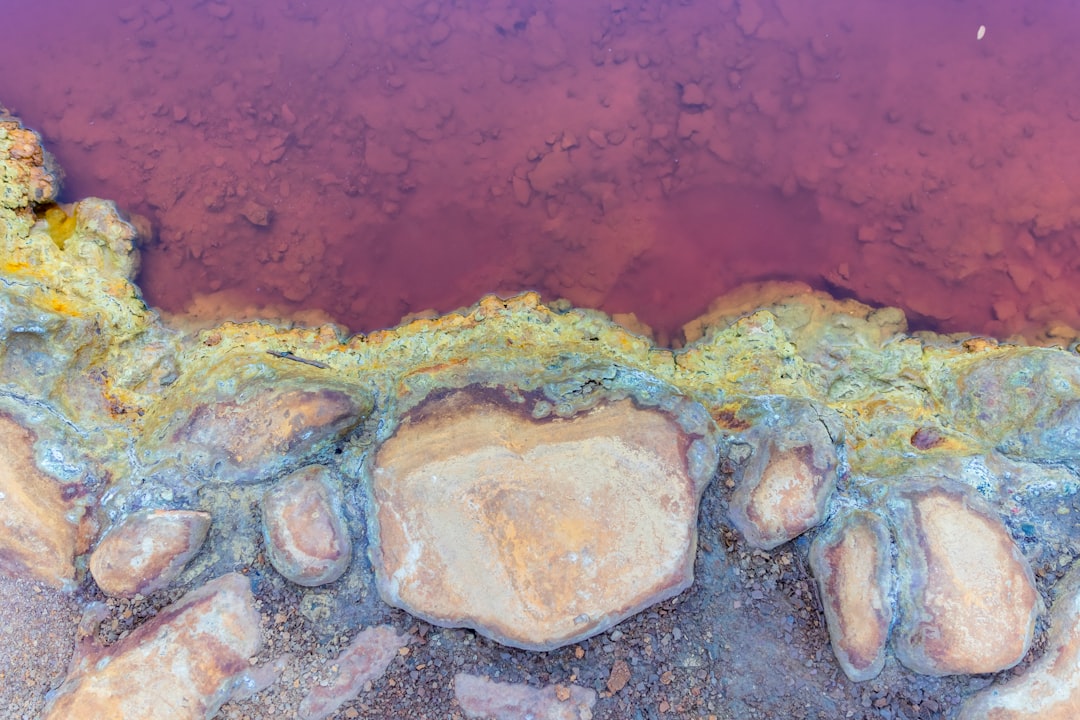
Amidst the rugged landscapes of Serra Morena in southern Spain, the Rio Tinto flows as a vibrant tapestry of orange and red, a natural wonder that captivates and confounds. This striking river, named for its distinct color, owes its hues to a unique blend of iron and other heavy metals leaching into the water from the surrounding earth. But the story of Rio Tinto is not just one of natural beauty; it is deeply entwined with the region's rich history, cultural heritage, and geological significance.
The origins of Rio Tinto are steeped in ancient history, with mining activities in the area dating back nearly 5,000 years. The Iberians were among the first to extract resources here, followed by Phoenicians, Greeks, and later, the Romans, who capitalized on the area's rich deposits of copper, gold, and silver. The river served as a vital waterway for transporting these precious metals. Its historical significance is further underscored by the involvement of the British Rio Tinto Company in the 19th century, which industrialized the mining operations, leaving a lasting imprint on the landscape.
The remnants of these mining activities have become an integral part of the local art and architecture. The Museo Minero de Riotinto, housed in a former English hospital, offers a fascinating glimpse into the area's industrial past with exhibits that include tools, machinery, and artifacts from the mining era. The Casa 21, part of the English Quarter, showcases Victorian architectural styles, a stark contrast to the traditional Spanish structures. These buildings tell stories of a bygone era when British influence permeated the region, adding layers to the area's architectural narrative.
Culturally, the Rio Tinto area is a mosaic of traditions shaped by centuries of diverse influences. Local festivals like the Romería de la Virgen del Rosario reflect a blend of religious devotion and community spirit, as residents parade through the streets in vibrant attire. Traditional Andalusian music and dance are integral to these celebrations, echoing the rhythms that have resonated through the valleys for generations. The cultural tapestry is enriched by the stories of miners and their families, whose lives have revolved around the river and its bounty.
The gastronomy of the Rio Tinto region is a delightful exploration of flavors, rooted in the fertile lands of Andalusia. Local dishes often feature iberico ham, cured to perfection, and salmorejo, a refreshing cold tomato soup, embodying the freshness of the region's produce. Migas, a traditional shepherd’s dish made from leftover bread, garlic, and olive oil, reflects the ingenuity of local cuisine. Pair these with a glass of fino sherry from nearby Jerez for a true taste of the region.
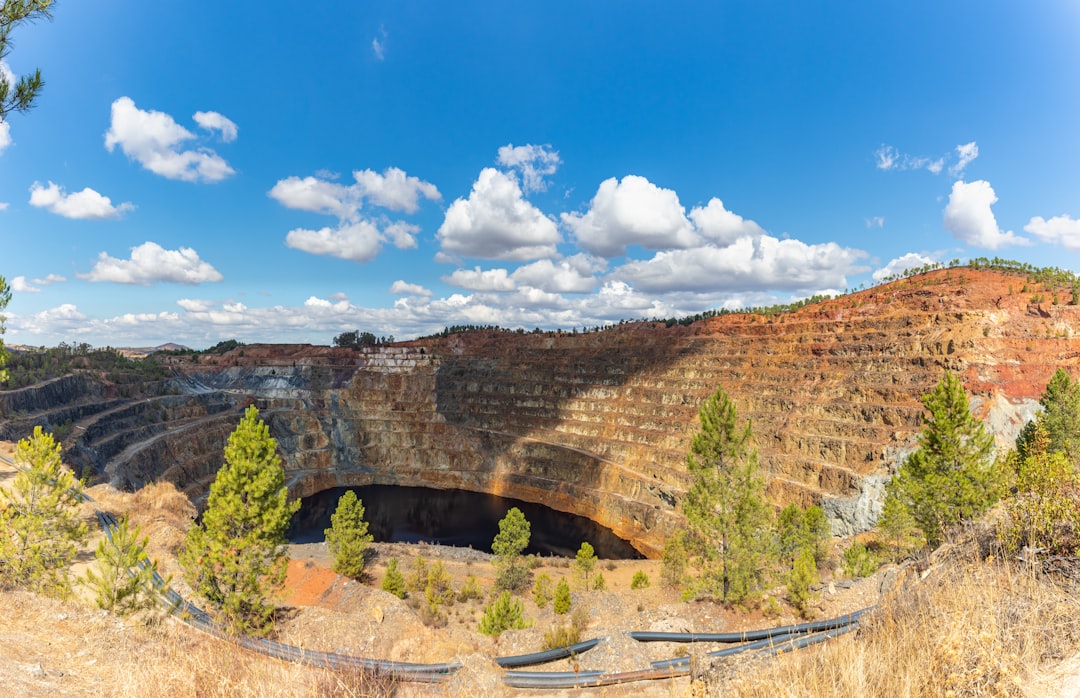
Beyond its well-documented history and cultural allure, Rio Tinto holds lesser-known curiosities that intrigue visitors. The river's unique ecosystem has attracted the interest of scientists, particularly NASA, due to its similarities to conditions on Mars. The acidic waters and extremophile microorganisms thriving here provide insights into the possibilities of life beyond Earth. Additionally, the Corta Atalaya, once the largest open-pit mine in Europe, offers a breathtaking glimpse into the scale of mining operations that shaped this landscape.
For those planning a visit, practical considerations are key to making the most of this unique destination. The best time to visit Rio Tinto is during the mild months of spring or autumn when temperatures are comfortable for exploring the outdoors. A ride on the Ferrocarril Minero, a vintage mining train, offers an unforgettable journey through the heart of this extraordinary landscape, providing views of the vividly colored waters and the surrounding terrain. Visitors should also be prepared for a mix of hiking and history, with comfortable footwear essential for exploring both the natural and man-made wonders.
In the heart of Serra Morena, the Rio Tinto stands as a testament to the intricate interplay of nature and human endeavor. Its vibrant colors and rich history invite exploration and reflection, offering a unique window into the past, present, and future of this remarkable region. Whether you are drawn by its natural beauty, historical significance, or scientific intrigue, Rio Tinto promises an unforgettable journey into the depths of Andalusia's soul.


