
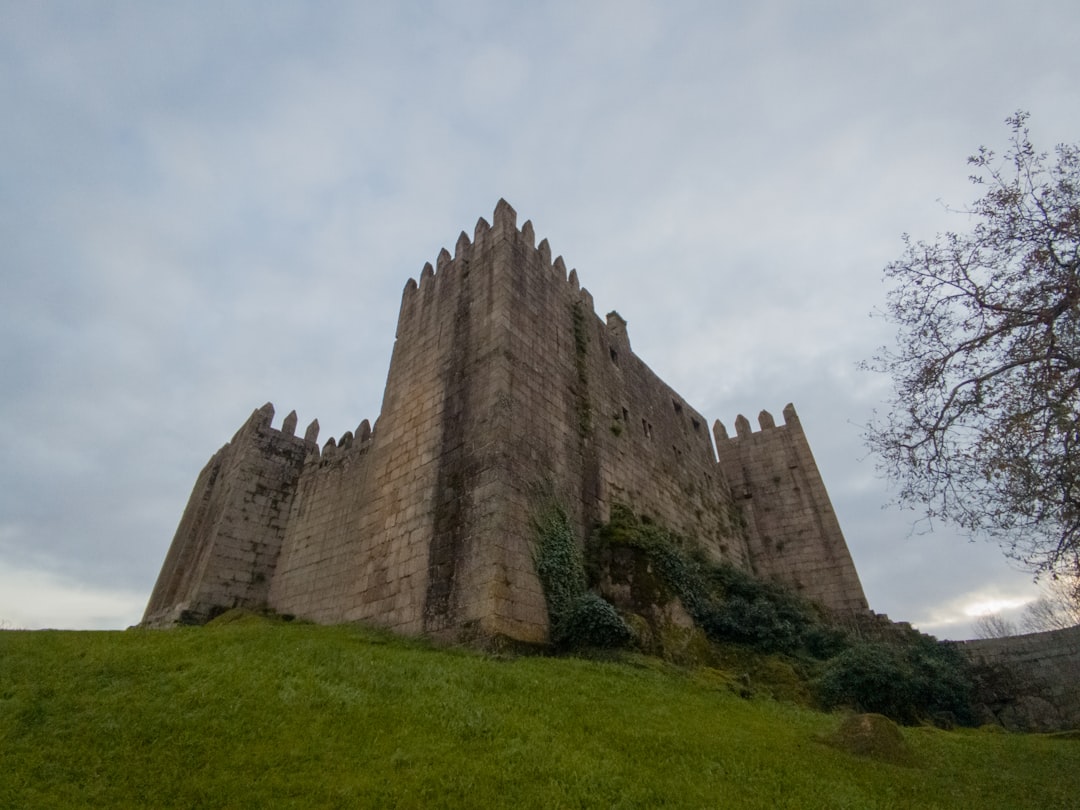

Located in the heart of Portugal, the Castelo do Mau Vizinho represents one of the most fascinating historical testimonies of the region. This castle, known for its imposing structure and strategic position, is a place where history and nature intertwine, offering visitors a unique experience. Surrounded by a picturesque landscape, the castle stands as a silent guardian, telling stories of past eras and forgotten battles.
Its location near the town of Igrejinha makes it easily accessible for those wishing to explore the historical wonders of Portugal. With precise geographical coordinates, 38.7120520, -7.8664079, the castle is a landmark for history and archaeology enthusiasts, as well as for simple lovers of scenic beauty.
History and Origins
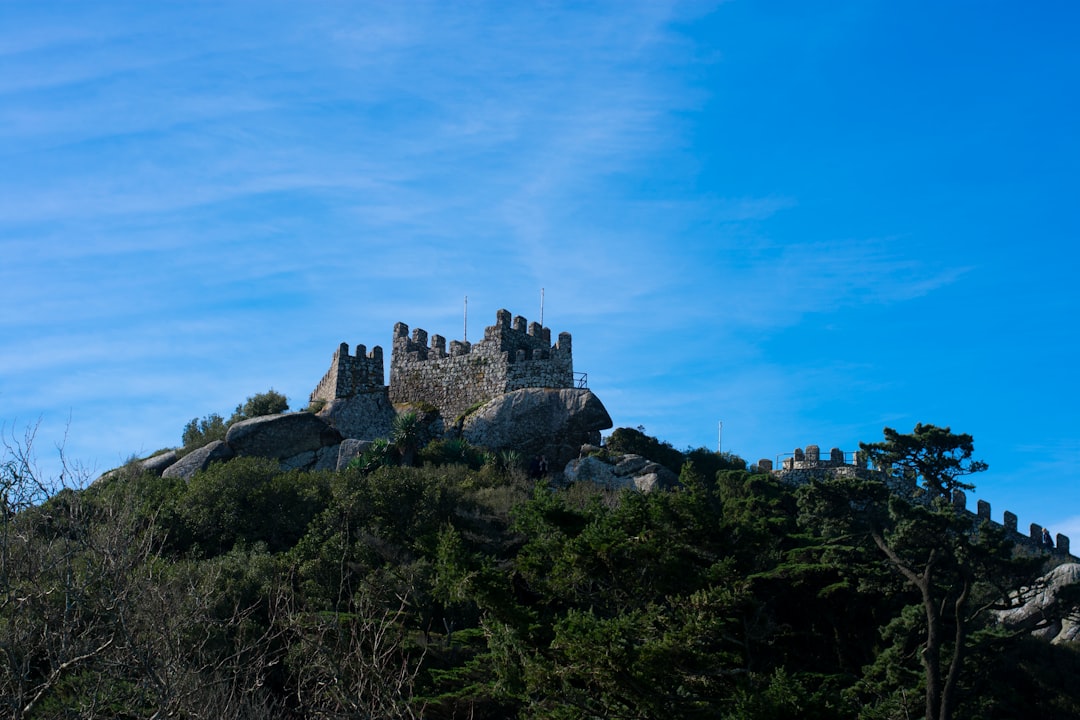
The Castelo do Mau Vizinho is recognized as a cultural heritage of great relevance. Its construction dates back to ancient times when it served as a watchtower, a crucial element for the defense of the territory. Its architecture, typical of medieval fortifications, reflects the ingenuity of ancient builders who knew how to make the best use of the surrounding terrain to ensure safety and surveillance.
In addition to being a watchtower, the castle is also a Roman archaeological site, suggesting a continuity of occupation and use of the place over the centuries. This aspect makes the Castelo do Mau Vizinho not only a site of historical interest but also a place of great importance for archaeological research, as it offers insights into how different civilizations settled and developed in this part of Portugal.
Elements to Observe
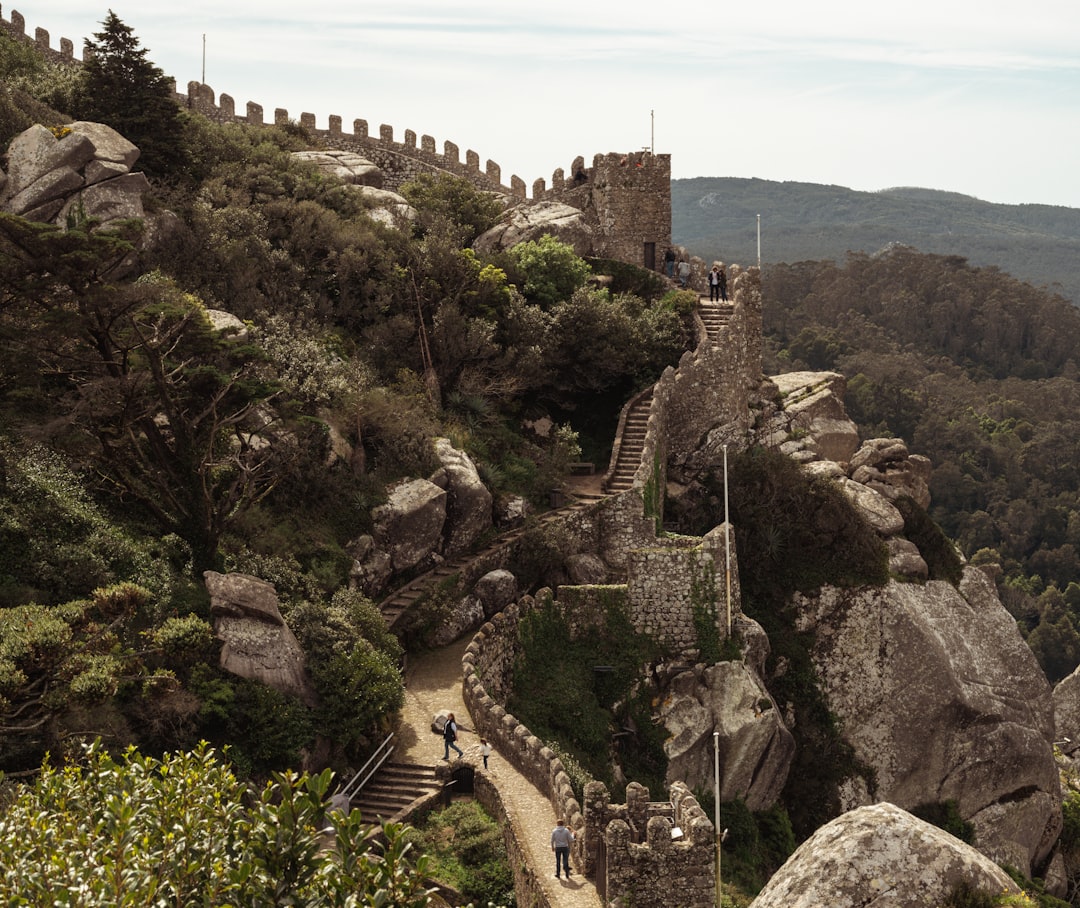
Visiting the Castelo do Mau Vizinho, tourists can admire the imposing stone walls that surround the structure, witnesses to a glorious past. The towers, rising towards the sky, offer breathtaking panoramic views of the surrounding countryside, allowing appreciation of the natural beauty of Portugal. Every corner of the castle tells a story, and visitors can imagine the lives of those who once inhabited these rooms.
Another element of great interest is the vegetation surrounding the castle. The local flora contributes to creating an enchanting atmosphere, making the visit a complete sensory experience. Walking along the paths leading to the castle, one can discover typical plants and flowers of the region, adding a touch of color and life to the historical landscape.
Why It Is Interesting Today
Today, the Castelo do Mau Vizinho is not only a place of historical interest but also a symbol of resilience and connection to the past. Its presence continues to stimulate the interest of historians, archaeologists, and tourists, who see in it an opportunity to reflect on Portuguese history and culture. The castle is a place where cultural events, exhibitions, and guided tours can be organized, making history alive and accessible to all.
Moreover, the castle offers an opportunity for contemplation and meditation, away from the hustle and bustle of cities. The tranquility of the place, combined with its rich history, makes it an ideal refuge for those seeking an authentic and meaningful experience in Portugal. Visiting the Castelo do Mau Vizinho is a way to immerse oneself in Portuguese culture and discover a piece of history that continues to live in the present.
To further explore the wonders of Portugal, don't forget to download the Secret World app, a useful resource for planning your trip and discovering hidden and fascinating places.


