

Évora is a city that reads like a Portuguese art history book, each chapter revealing layers of culture, history, and artistic expression. Nestled in the Alentejo region, this UNESCO World Heritage Site is a testament to the rich tapestry of influences that have shaped Portugal over centuries.
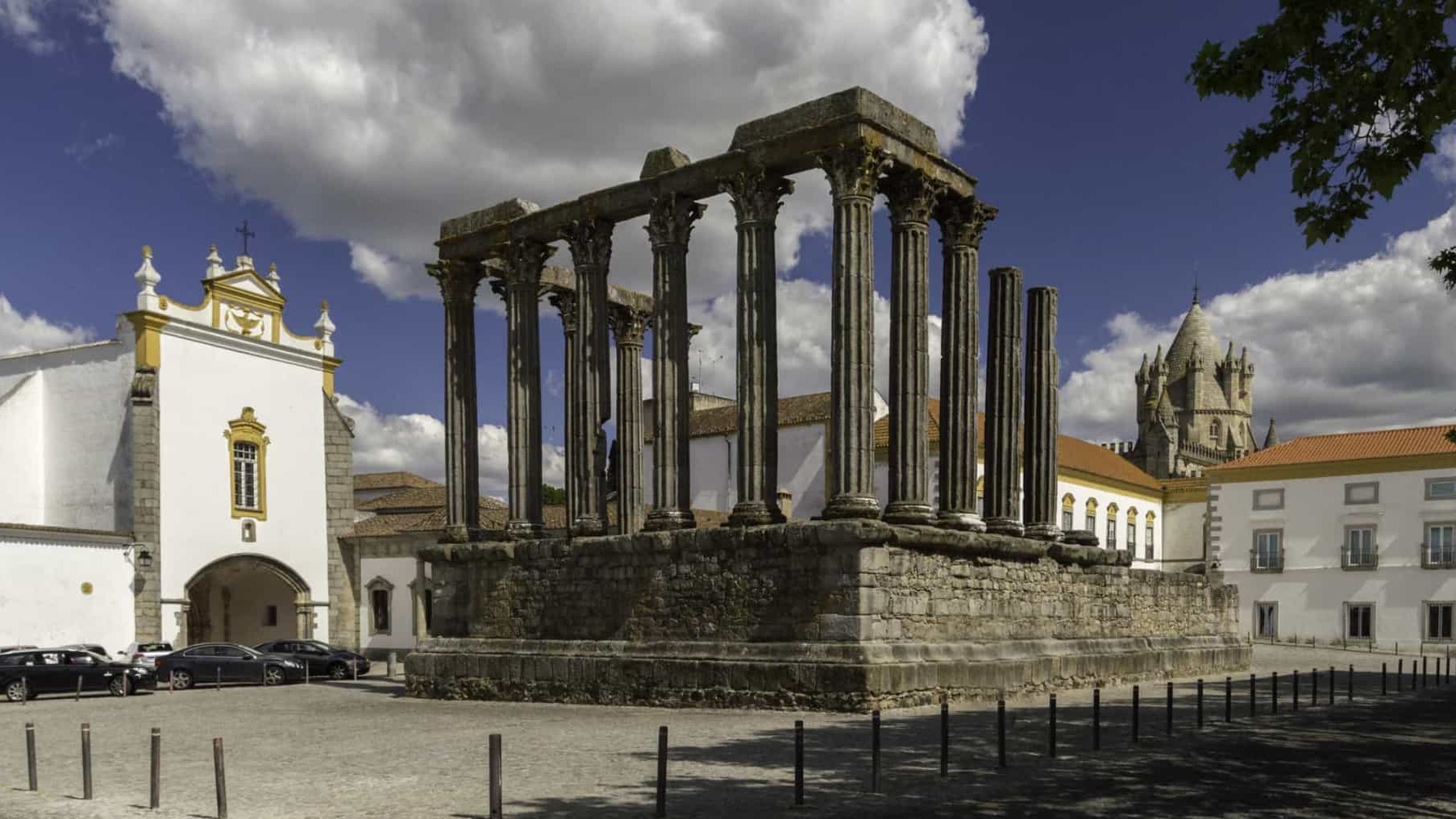
The origins of Évora trace back to Roman times, around the 1st century BC, when it was known as Ebora. Its strategic location made it a vital settlement, and remnants of its Roman past, including the Temple of Diana, still stand proudly in the heart of the city. This temple, built in the 1st century AD, showcases the exquisite granite craftsmanship of the Romans, and its columns are a striking reminder of the city’s ancient glory.
As the Romans departed, the Visigoths and later the Moors left their mark on Évora, with the latter introducing intricate architectural styles and agricultural practices. The city was retaken by the Portuguese in the 12th century, and it quickly became a significant political and cultural center. During the 15th century, Évora was favored as a royal residence by the kings of Portugal, leading to a flourishing of arts and education. The University of Évora, founded in 1559, stands as a pillar of this intellectual legacy, making it one of the oldest universities in Portugal.
Walking through Évora is like stepping into a living museum. The narrow, cobbled streets are lined with whitewashed houses adorned with colorful tiles and wrought-iron balconies. The architecture is a blend of Gothic, Renaissance, and Manueline styles, with São Francisco Church being a prime example. Its interior is captivating, featuring an ornate chapel adorned with bones, known as the Chapel of Bones, which serves as a haunting reminder of mortality.
Art in Évora transcends mere aesthetics; it is woven into the cultural fabric of the city. The Évora Museum, housed in a former convent, showcases a wide array of artworks from prehistoric times to contemporary pieces. Visitors can admire the 16th-century altarpiece by Cristóvão de Figueiredo and striking sculptures that reflect the city’s artistic evolution.
Local culture in Évora is vibrant and steeped in tradition. The annual Festa de São João, celebrated in June, is a lively event where locals and visitors alike partake in street festivities, music, and dance. The Alentejo grape harvest festival in September honors the region’s winemaking heritage, where visitors can indulge in local wines and experience traditional folk music. Évora’s culture is deeply intertwined with its agricultural roots, so be sure to explore the local markets, where artisans showcase handmade crafts and fresh produce.
Speaking of local delicacies, Évora is renowned for its gastronomy. The region boasts a variety of traditional dishes that reflect its agricultural bounty. Don’t miss tasting Açorda, a bread soup flavored with garlic and coriander, or the Porco Alentejano, a succulent pork dish often served with roasted potatoes. Pair your meal with a glass of Alentejo wine, particularly the full-bodied reds that this region is famous for. Another must-try is the sweet Torta de Évora, a delicious almond cake that locals have been savoring for generations.
For those looking to explore beyond the main attractions, Évora has its share of lesser-known curiosities. One fascinating detail is the Aqueduct of Silver Water, built in the 16th century to supply the city with fresh water. This impressive structure spans over 9 kilometers and features stunning arches that grace the landscape. Additionally, the Cromlech of Almendres, located just outside of Évora, is one of the largest megalithic monuments in Portugal, predating Stonehenge and offering an intriguing glimpse into prehistoric rituals.
The best time to visit Évora is during the spring (March to May) or autumn (September to October) when the weather is pleasantly mild, and the crowds are thinner. Plan your visit to coincide with one of the local festivals for an immersive cultural experience. Don’t forget to wear comfortable shoes, as the best way to explore Évora is on foot, allowing you to absorb the sights and sounds of this enchanting city at your own pace.
As you stroll through the historic streets, take the time to soak in the nuances of Évora’s charm. From its ancient ruins to its lively cafes, every corner tells a story waiting to be uncovered. For a personalized itinerary that captures the essence of Évora, consider using the Secret World app to help plan your adventure.


