
← Back

Fallen Aviators Monument, Athens, Greece

Pl. Karaiskaki 2, Athina 104 37, Greece ★★★★☆ 274 views
Kristen Stone
Athina
🏆 AI Trip Planner 2026

Get the free app

Discover the best of Athina with Secret World — the AI trip planner with 1M+ destinations. Get personalized itineraries, hidden gems and local tips. Free on iOS & Android.

🧠 AI Itineraries 🎒 Trip Toolkit 🎮 KnowWhere Game 🎧 Audio Guides 📹 Videos
Scan to download iOS / Android
Scan for AppGallery Huawei users

About Fallen Aviators Monument, Athens, Greece

Fallen Aviators Monument, Athens, Greece - Athina | Secret World Trip Planner

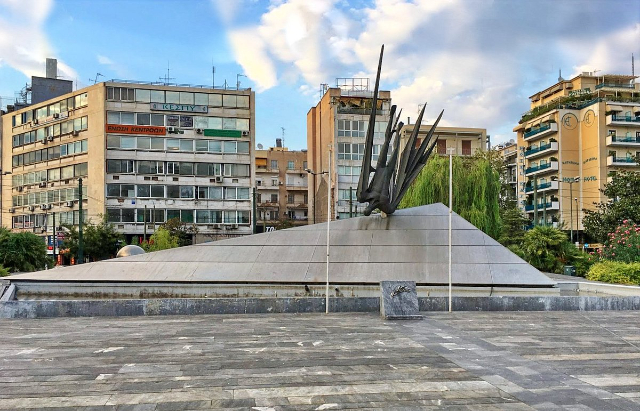
The Fallen Aviators Monument in Athens is a poignant tribute that melds mythology with modernity. Situated in a serene setting, the monument pays homage to Greece's aviators who have sacrificed their lives in the line of duty. The centerpiece of the monument is a striking sculpture of Icarus, the mythological figure who dared to fly too close to the sun.

The story of Icarus serves as a powerful allegory for the ambitions and risks associated with aviation. In the myth, Icarus and his father, Daedalus, attempt to escape from the island of Crete using wings fashioned from feathers and wax.

Despite his father's warning, Icarus flies too close to the sun, melting the wax and causing him to fall into the sea.

The sculpture encapsulates the duality of flight—its potential for freedom and exploration, along with the inherent risks involved. With wings outstretched, the figure of Icarus embodies both the aspirations and the vulnerabilities of those who take to the skies.

Inscribed on the monument are the names of the fallen aviators, serving as a somber reminder of the very real sacrifices made in the pursuit of the age-old human dream to fly.

The monument stands not only as a memorial but also as an inspiration for future generations to weigh the balance between ambition and caution.

Visitors to the Fallen Aviators Monument are often moved by its emotional depth and its eloquent linkage of ancient mythology to contemporary sacrifice.

It serves as an essential stop for anyone interested in understanding the complexities of Greece's modern and ancient heritage, especially in the realm of flight and exploration.

🗺 AI Trip Planner

Plan your visit to Athina

Suggested itinerary near Fallen Aviators Monument, Athens, Greece

MAJ+
500.000+ travelers worldwide
  1. 🌅
    Morning
    Fallen Aviators Monument, Athens, Greece
    📍 Athina
  2. ☀️
    Afternoon
    The National Theatre of Greece
    📍 0.3 km · Athina
  3. 🌆
    Evening
    Greek street food: Souvlaki
    📍 0.5 km · Athina

Buy Unique Travel Experiences

Powered by Viator

See more on Viator.com

Explore nearby · Athina

Frequently Asked Questions

The Fallen Aviators Monument is a tribute to Greece's aviators who have sacrificed their lives in the line of duty. The monument features a striking sculpture of Icarus with outstretched wings and is inscribed with the names of fallen aviators, serving as a somber reminder of the real sacrifices made in aviation.
Icarus serves as a powerful allegory for the ambitions and risks associated with aviation, as his myth involves attempting to escape using man-made wings and flying too close to the sun. The sculpture encapsulates the duality of flight—its potential for freedom and exploration alongside the inherent dangers involved, making it a fitting symbol for honoring fallen aviators.
Visitors can see the striking Icarus sculpture with outstretched wings and view the inscribed names of fallen aviators on the monument. The serene setting and emotional depth of the memorial provide a moving experience that eloquently links ancient mythology to contemporary sacrifice, offering insight into Greece's modern and ancient heritage.
The Icarus figure with wings outstretched embodies both the aspirations and vulnerabilities of those who take to the skies, representing the balance between ambition and caution. The sculpture's design reflects the ancient myth where Icarus defies his father's warning and flies too close to the sun, serving as an allegory for the risks inherent in aviation pursuits.
Yes, the monument is an essential stop for anyone interested in understanding the complexities of Greece's modern and ancient heritage, particularly regarding flight and exploration. Its unique blend of mythology with contemporary memorial serves as inspiration for future generations and offers visitors an emotionally resonant experience that connects ancient stories to real-world sacrifice.
