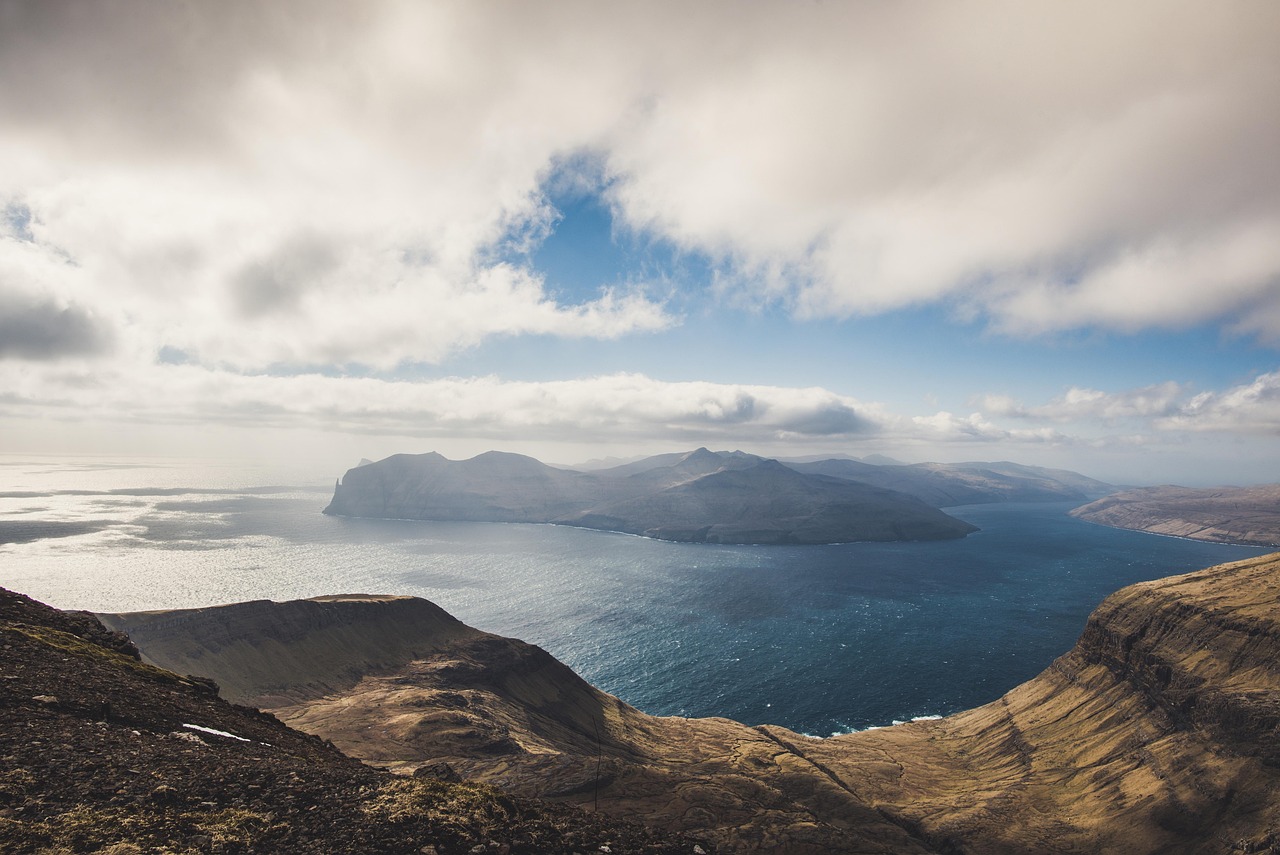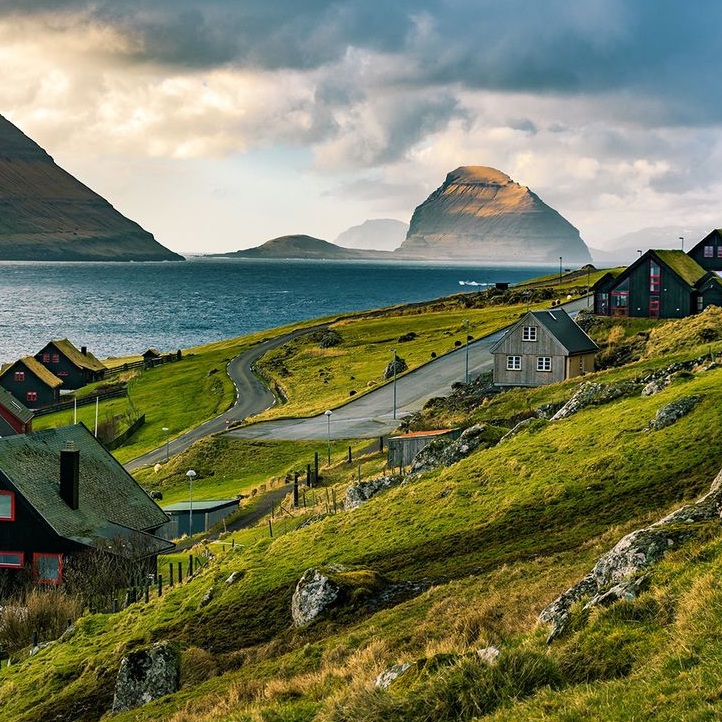

In the heart of the North Atlantic, where the chilly waters between Scotland and Iceland converge, lies the breathtaking Faroe Islands. This archipelago, composed of 18 islands, is a haven for those seeking an escape into nature, infused with a rich history that stretches back over a thousand years. The dramatic landscapes—rugged cliffs, cascading waterfalls, and verdant valleys—offer a glimpse into an untouched world, where the spirit of the Vikings still echoes in the wind.
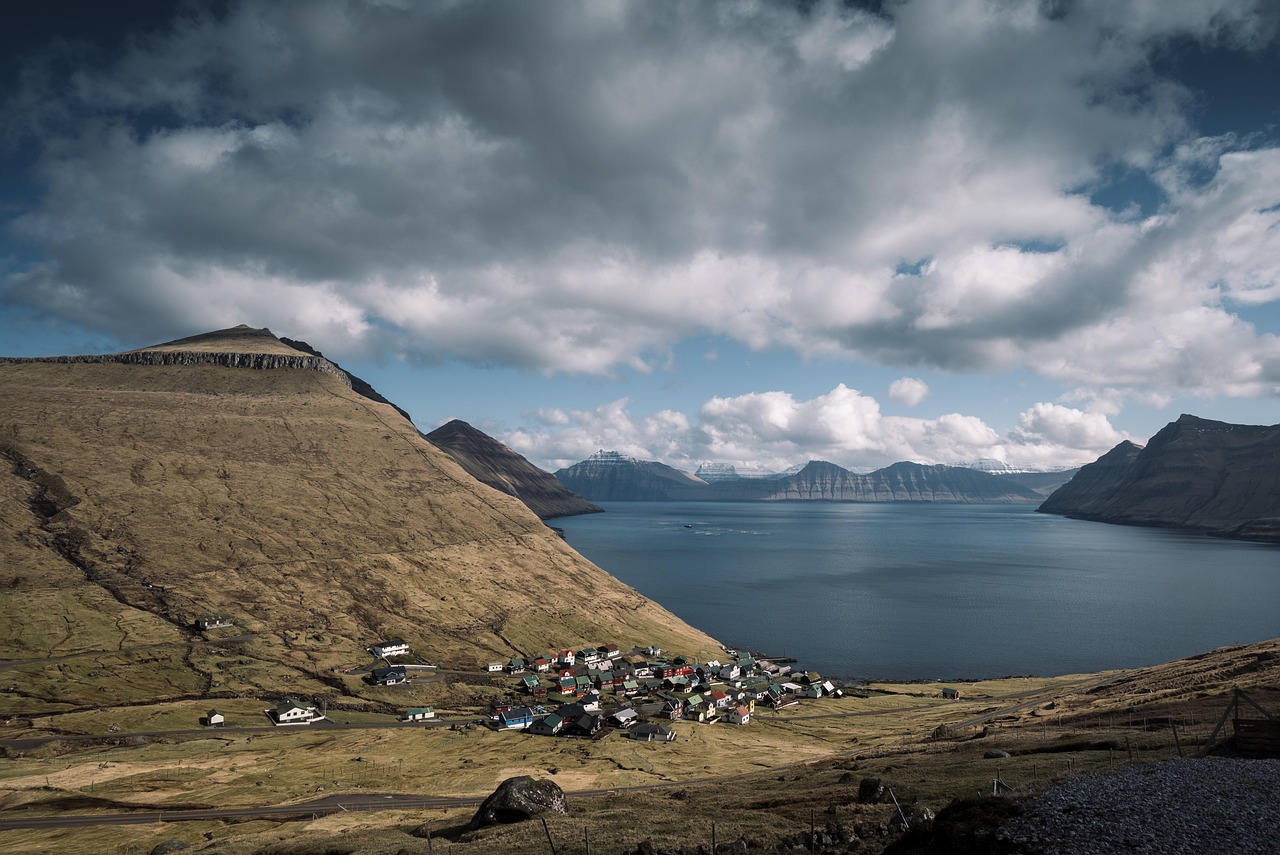
The Faroe Islands were settled by the Norse in the 9th century, with historical accounts suggesting that they were first colonized by Vikings who were drawn to the region's abundant resources. The islands were an important waypoint for maritime navigation and trade routes between Norway and the British Isles. The significance of the Faroe Islands grew, especially during the Middle Ages, when they became part of the Kingdom of Norway and later fell under Danish rule in 1814. The islands have since maintained a unique cultural identity, marked by a history of resilience against harsh climates and political changes.
Architecturally, the Faroe Islands are a fascinating blend of traditional and modern influences. The iconic turf-roofed houses, known as turfhús, are a testament to the ingenious adaptation of local materials, designed to withstand the extreme weather. Notable examples can be found in the village of Gásadalur, where the charming homes cling to the cliffs, offering stunning views of the surrounding landscapes. The Nordic House in Tórshavn, designed by renowned architect **Jóhanna G. E. B. R. W. H. L. M. P. W. T. D. R. J. R. S. G. H. M. N. U. K. R. G. T. C. B. H. G. H. W. M. A. G. N. U. M. D. J. N. M. R. G. T. R. M. S. C. A. H. N. H. T. D. R. G. H. M. R. D. W. D. T. D. R. G. N. A. H. M. G. U. T. R. G. T. D. A. G. M. U. K. R. G. D. M. D. U. H. G. R. G. M. T. R. M. A. G. R. C. H. G. D. H. M. D. K. A. R. T. U. J. R. G. G. G. G. D. U. T. G. R. G. T. D. R. M. A. H. R. U. K. G. T. R. A. G. R. T. D. H. M. D. H. M. G. T. D. R. G. H. M. R. G. T. C. H. G. R. R. D. H. M. H. G. C. H. R. M. A. R. G. D. R. U. R. G. T. H. M. G. G. G. T. R. G. T. D. R. G. G. R. T. C. H. M. G. R. H. M. G. D. T. D. A. R. G. G. A. G. M. G. R. D. G. T. D. H. G. R. G. A. T. G. R. G. G. G. A. G. G. R. G. D. G. G. G. R. G. D. T. A. G. T. G. G. R. G. R. G. G. T. D. A. G. G. G. R. G. T. D. G. R. H. M. D. M. G. G. T. D. R. G. G. G. D. G. R. G. G. R. T. G. D. R. G. D. H. G. R. G. D. R. G. T. D. G. H. G. D. H. G. R. G. T. R. G. H. R. G. T. H. R. G. G. D. H. G. G. G. T. H. M. G. T. D. A. G. G. G. T. D. G. D. G. D. G. R. G. T. D. R. G. G. G. R. G. G. A. G. T. G. A. G. T. G. G. G. G. H. M. G. G. G. G. H. G. G. R. G. G. G. G. G. G. G. G. G. G. G. G. G. G. G. G. G. G. G. G. G. G. G. G. G. G. G. G. G. G. G. G. G. G. G. G. G. G. G. G. G. G. G. G. G. G. G. G. G. G. G. G. G. G. G. G. G. G. G. G. G. G. G. G. G. G. G. G. G. G. G. G. G. G. G. G. G. G. G. G. G. G. G. G. G. G. G. G. G. G. G. G. G. G. G. G. G. G. G. G. G. G. G. G. G. G. G. G. G. G. G. G. G. G. G. G. G. G. G. G. G. G. G. G. G. G. G. G. G. G. G. G. G. G. G. G. G. G. G. G. G. G. G. G. G. G. G. G. G. G. G. G. G. G. G. G. G