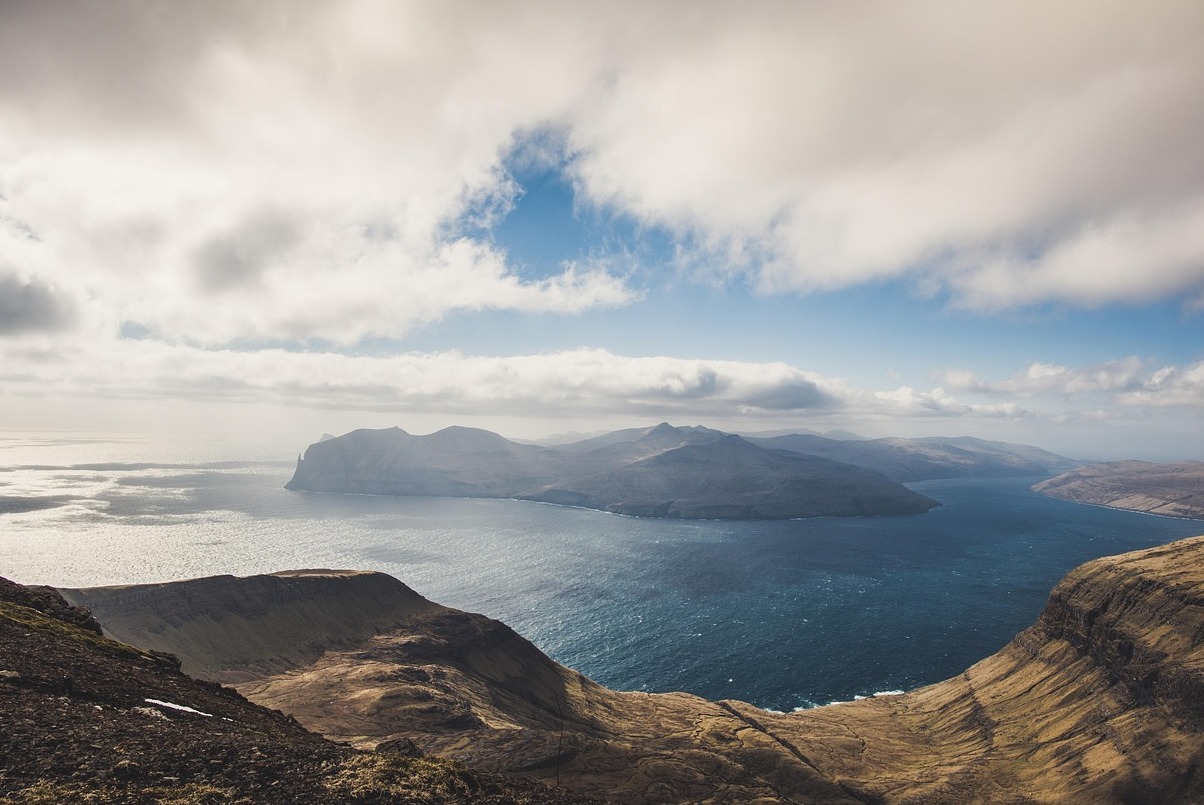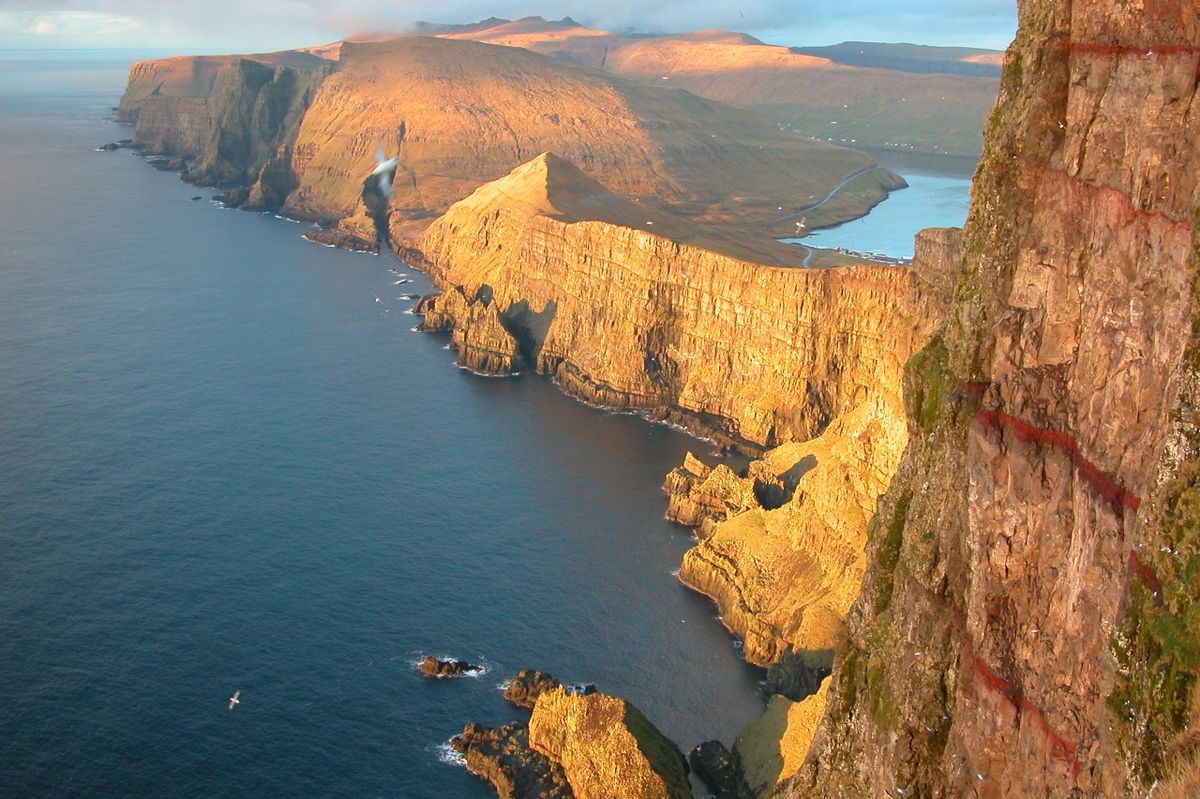

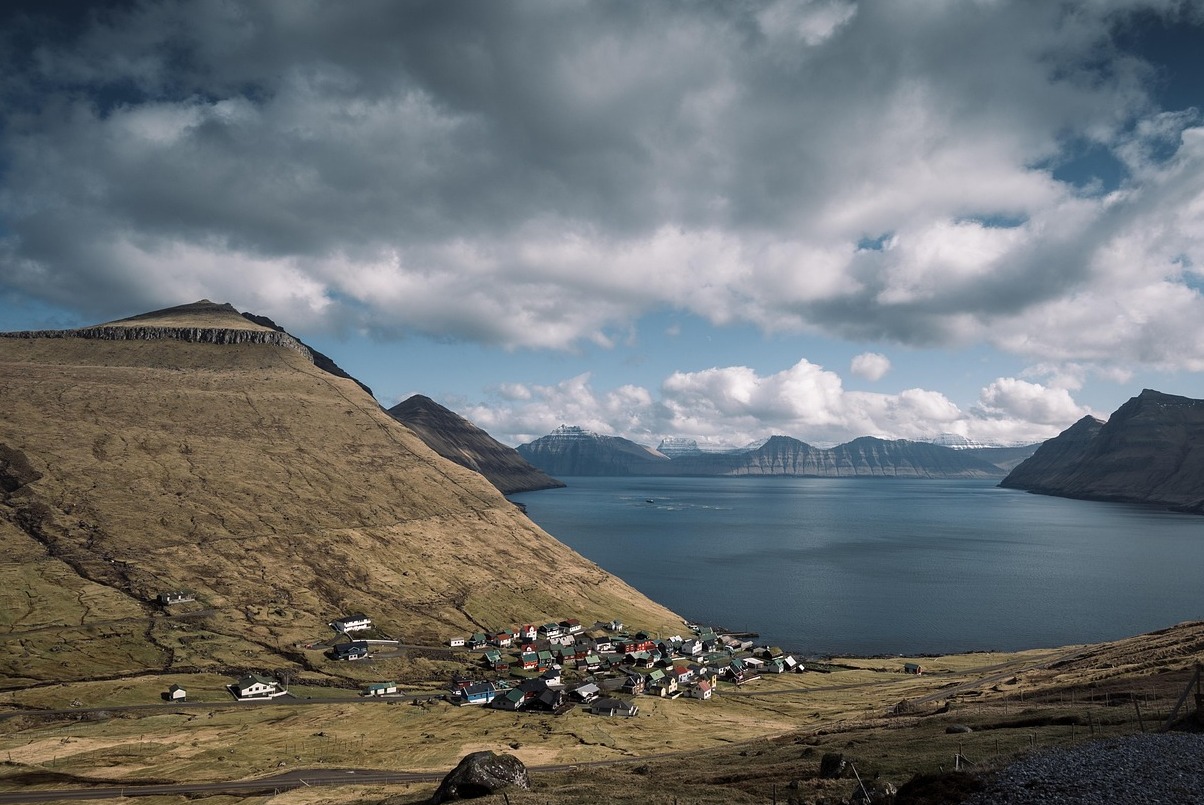
Nestled in the North Atlantic between Norway and Iceland, the Faroe Islands are a breathtaking archipelago with a rich tapestry of history, culture, and natural beauty. Known for their rugged landscapes and vibrant local life, these islands are a hidden gem waiting to be explored.
### History and Origins The Faroe Islands were settled by the Norse in the late 8th century, primarily by Norsemen from Norway and later by Celtic peoples. The name 'Føroyar' translates to 'sheep islands,' which speaks to the region's long-standing agricultural practices. The islands' strategic location made them a point of interest for various explorers and traders throughout history, including the Vikings.
The islands became part of the Kingdom of Denmark in the 14th century and have maintained a unique identity within this relationship. Significant historical events include the establishment of the Faroe Islands' Home Rule in 1948, which granted the islands greater autonomy from Denmark. This self-governance has allowed the Faroe Islands to preserve their unique culture and traditions while navigating the modern world.
### Art and Architecture The architecture of the Faroe Islands reflects the harsh yet beautiful landscape. Traditional grass-roofed houses, known as turf houses, are a distinctive feature that ties the islands to their Viking past. Many of these homes are found in Tórshavn, the capital, where the colorful buildings line the harbor, creating a stunning visual juxtaposition against the dramatic cliffs and sea.
In terms of art, the islands have a burgeoning scene that thrives on local themes. Artists like Ruth Smith and Jógvan Waagstein draw inspiration from the islands' natural beauty and folklore. Galleries such as Listaskálin in Tórshavn showcase contemporary works alongside traditional crafts, offering visitors a glimpse into the cultural heartbeat of the islands.
### Local Culture and Traditions The richness of local culture can be experienced through traditional festivals such as Ólavsøka, celebrated on July 29th in honor of St. Olaf, the patron saint of the islands. This vibrant festival includes parades, traditional music, and folk dancing, bringing together communities from across the archipelago.
Another important cultural event is the G Festival, held in Gøta each July. This music festival features a mix of local and international artists, set against the stunning backdrop of the islands. The community spirit during these events is palpable, with locals and visitors alike celebrating the unique heritage of the Faroe Islands.
### Gastronomy Faroe Islands’ gastronomy is deeply influenced by the surrounding ocean and rugged terrain. Seafood is a staple, with specialities like skerpikjøt (fermented lamb) and ræst kjøt (fermented fish) reflecting traditional preservation methods. The islands are also famous for their sea urchins, which have gained popularity among chefs worldwide.
Local drinks like vøtt (a traditional beer) and sangria made from local berries complement the unique flavors of the Faroe cuisine. Visitors can explore these culinary delights at restaurants like KOKS, which has received recognition for its innovative use of local ingredients.
### Lesser-known Curiosities While the Faroe Islands are known for their stunning landscapes, many travelers miss out on unique experiences like exploring the Saksun village, where the tidal lagoon changes dramatically with the tides. Additionally, the islands are home to over 300 species of birds, including the iconic puffin and the white-tailed eagle, making it a birdwatcher's paradise.
Another curiosity is the leylandii trees, which, despite being introduced, have become emblematic of the islands' flora. The Faroe Islands also boast the world's largest bird cliff, Vestmanna, where millions of seabirds nest, creating a breathtaking spectacle each spring.
### Practical Visitor Information The best time to visit the Faroe Islands is during the summer months, from June to August, when the weather is milder and days are longer, allowing for extended exploration. Visitors should pack layers, as the weather can be unpredictable, shifting rapidly from sunshine to rain.
To maximize your experience, consider taking guided tours that delve into the history and culture of the islands, or explore the numerous hiking trails that lead to stunning viewpoints. Don't miss the chance to visit Mykines, known for its dramatic cliffs and puffin colonies, which can be reached by ferry.
Incorporating local customs like the welcoming spirit of the Faroese and the communal meals enjoyed during festivals will deepen your connection to this remarkable land.
As you plan your journey through these enchanting islands, consider using the Secret World app for a personalized AI itinerary to make the most of your adventure in the Faroe Islands.