
← Back

Federiciano Castle of Lagopesole

85021 Lagopesole PZ, Italia ★★★★☆ 282 views
Melania Bassetti
Lagopesole
🏆 AI Trip Planner 2026

Get the free app

Discover the best of Lagopesole with Secret World — the AI trip planner with 1M+ destinations. Get personalized itineraries, hidden gems and local tips. Free on iOS & Android.

🧠 AI Itineraries 🎒 Trip Toolkit 🎮 KnowWhere Game 🎧 Audio Guides 📹 Videos
Scan to download iOS / Android
Scan for AppGallery Huawei users

About Federiciano Castle of Lagopesole

Federiciano Castle of Lagopesole - Lagopesole | Secret World Trip Planner

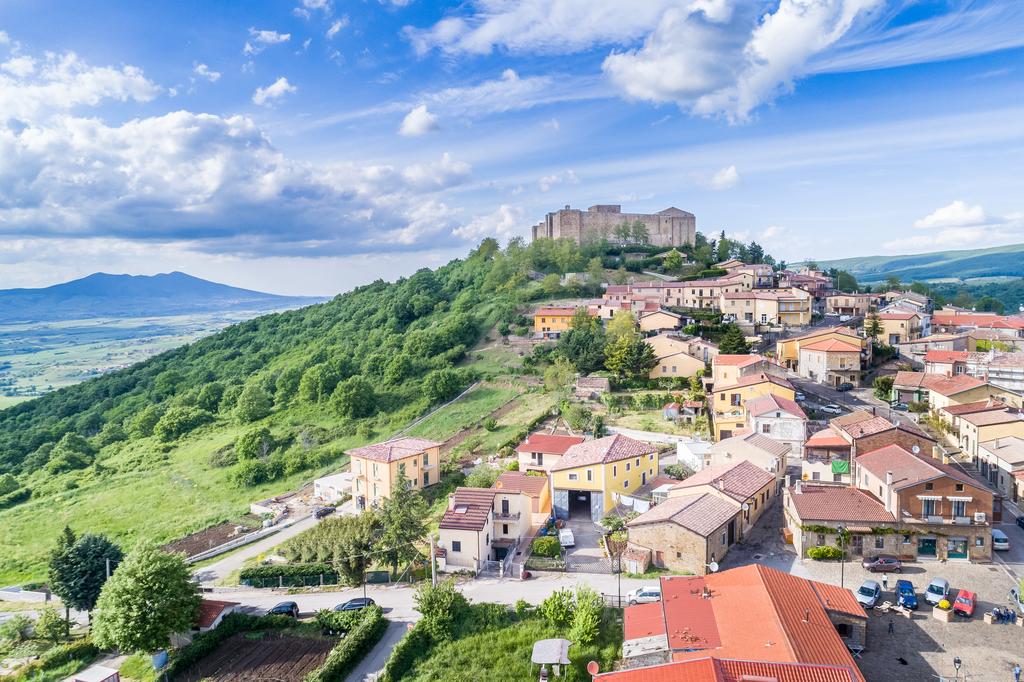
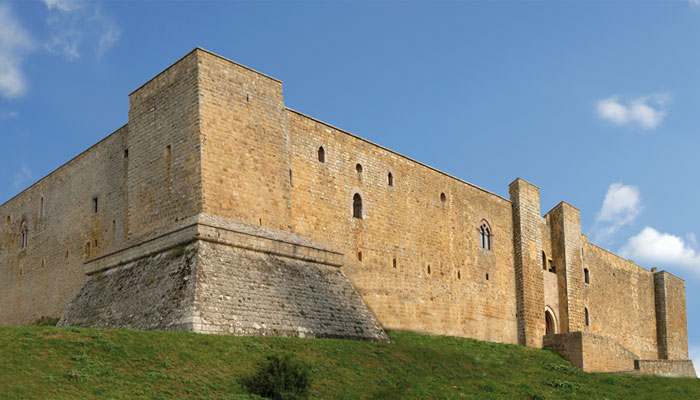
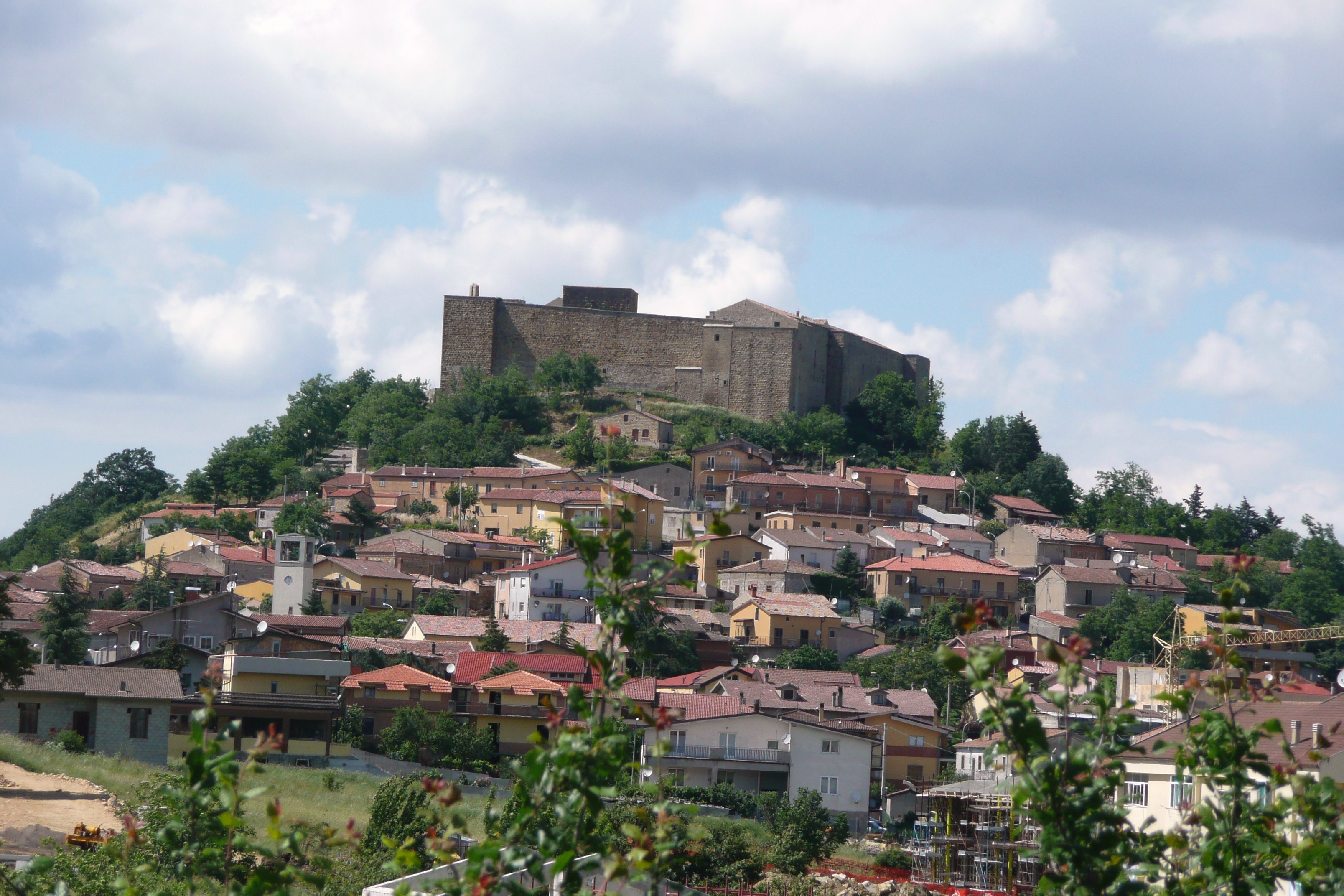
It is considered one of the last residences commissioned by Emperor Frederick II of Swabia in the land of Basilicata, built between 1242 and 1250. It is considered an imposing testimony of medieval fortified architecture in which the presence of a palatine chapel is of interest, a rather rare and singular case for a building commissioned by the Stupor Mundi.
Federiciano Castle of Lagopesole - Lagopesole | Secret World Trip Planner

In its present form, the fortress appears as a massive rectangular block whose rooms, spread over two floors, are distributed around two courtyards, a major one, overlooked by the halls, the reception rooms, adorned with splendid capitals depicting the flora and fauna of the surrounding area, and the church, and a minor one, which houses in the middle the donjon that in ancient times was intended for service activities. The present appearance is the result of numerous renovations and additions. The Swabian architects added to the Norman-era building in the north wing a hall for listening to music and some fireplaces, and a staircase in the west wing, while they began ex novo the building of the donjon, the last bulwark of defense, in the minor courtyard, using as material stones extracted from a quarry made in the same courtyard.
Federiciano Castle of Lagopesole - Lagopesole | Secret World Trip Planner
🗺 AI Trip Planner 2026

Plan your visit to Lagopesole

Suggested itinerary near Federiciano Castle of Lagopesole

MAJ+
500.000+ travelers worldwide
  1. 🌅
    Morning
    Federiciano Castle of Lagopesole
    📍 Lagopesole
  2. ☀️
    Afternoon
    Paleolithic Park of Atella
    📍 10.3 km · Lagopesole
  3. 🌆
    Evening
    Abbey of Santa Maria di Pierno
    📍 11 km · Lagopesole

Buy Unique Travel Experiences

Powered by Viator

See more on Viator.com

Explore nearby · Lagopesole

Frequently Asked Questions

The castle was built between 1242 and 1250 as one of the last residences commissioned by Emperor Frederick II of Swabia in Basilicata. It stands as an imposing testimony to medieval fortified architecture and is remarkable for including a palatine chapel, which was a rare and singular feature for a building commissioned by Frederick II, known as the Stupor Mundi.
The fortress features a massive rectangular block with rooms distributed over two floors around two courtyards. The major courtyard is overlooked by reception halls adorned with splendid capitals depicting local flora and fauna, plus a church, while the minor courtyard houses a donjon (defensive tower) in the center that originally served service activities.
The Swabian architects added a music listening hall and fireplaces in the north wing, constructed a staircase in the west wing, and rebuilt the donjon in the minor courtyard as the last bulwark of defense. They used stones extracted from a quarry made within the courtyard itself as building material for the donjon.
The castle's distinctive layout centers on two courtyards—a major courtyard with grand halls and reception rooms featuring decorative capitals, and a minor courtyard containing the donjon. This dual-courtyard design combined with the rare inclusion of a palatine chapel within a Frederick II fortress makes it an unusual and noteworthy example of medieval fortified architecture.
The castle's present appearance results from numerous renovations and additions made over time, particularly visible in how Swabian architects incorporated new elements into the existing Norman-era structure. The construction of the donjon using locally quarried stone and the strategic additions of functional spaces like the music hall and fireplaces demonstrate how the fortress evolved to meet changing needs.
