

Nestled in the heart of Atlanta, the Fernbank Museum of Natural History is a gateway to the past, showcasing the wonders of our planet through the lens of natural history, culture, and art. Founded in 1992, the museum has become a beloved destination, drawing visitors eager to explore its vast collections and immersive exhibits. The museum's roots trace back to the 19th century when the Fernbank Estate was established, later transforming into a museum that would engage and inspire generations.
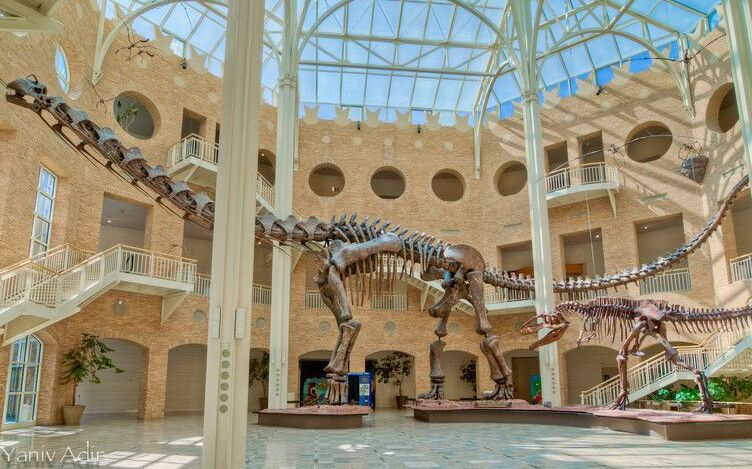
The architectural style of the museum is a blend of modern design and natural elements, creating a striking visual presence against the backdrop of Atlanta's lush greenery. The building features soaring ceilings and expansive glass panels that invite natural light, enhancing the experience of exploring the exhibits within. Among the museum’s highlights is the Great Hall, where the Titanosaur, one of the largest dinosaurs ever discovered, greets visitors with its impressive size, a true testament to the scale of prehistoric life.
Art plays a significant role in the museum's offerings, with dioramas that depict the diverse ecosystems of Georgia and beyond. These expertly crafted environments showcase not only the flora and fauna of the region but also the artistry involved in their creation. The museum periodically hosts art installations that connect the themes of nature and culture, inviting local artists to contribute their perspectives.
Local culture is deeply intertwined with the museum's mission. Atlanta is a city rich in history and traditions, and Fernbank reflects this through its educational programming and community events. Festivals such as the Fernbank After Dark, where adults can enjoy themed evenings with food, drinks, and special exhibits, blend social interaction with cultural enrichment. The museum also emphasizes STEM education, serving as a resource for schools in the area and promoting science literacy among young learners.
When it comes to gastronomy, the museum's WildWoods area offers a unique dining experience. The café inside serves seasonal dishes that highlight local ingredients, allowing visitors to savor flavors that are distinctly Southern. Classic dishes like shrimp and grits, and peach cobbler, celebrate the region's culinary heritage, providing a delicious complement to the educational experience.
For those seeking unique insights, there are lesser-known curiosities that make Fernbank even more intriguing. For instance, the museum houses a fossilized dinosaur egg, discovered in China, which provides a tangible connection to the ancient past. Additionally, the WildWoods area features tree pods that offer a bird's-eye view of the forest, blending playfulness with education. Did you know the museum's name, Fernbank, comes from the estate's original name, which is derived from the abundant ferns that grow in the area?
The best time to visit Fernbank Museum of Natural History is during the spring and fall when the weather is mild, allowing for enjoyable exploration of both the indoor exhibits and the outdoor WildWoods. To make the most of your visit, consider purchasing tickets online in advance to avoid lines, and be sure to check the calendar for special events and programs that may coincide with your visit.
Don't miss the chance to visit the IMAX theater, which hosts documentaries that enhance the museum’s themes, providing a multi-sensory experience that captivates audiences of all ages. Be sure to take your time wandering through the various exhibits and engaging with the interactive displays; each corner of the museum holds new discoveries waiting to be uncovered.
In conclusion, the Fernbank Museum of Natural History is more than just a museum; it's a vibrant hub of learning, culture, and community. From its stunning architecture to its engaging exhibits, it invites all who enter to explore the wonders of our natural world and reflect on our place within it. To plan your personalized journey through Atlanta, consider using the Secret World app for an AI-driven itinerary that suits your interests.


