
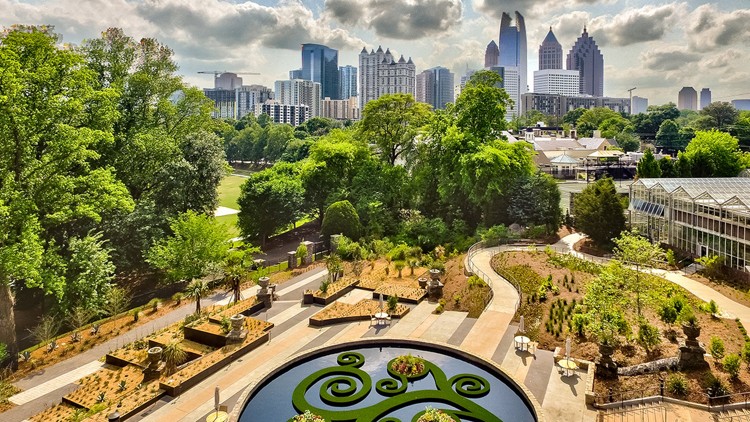

Nestled in the heart of Atlanta, Piedmont Park and the Atlanta Botanical Garden present a vibrant tapestry of nature, art, and culture. Established in 1976, the garden has evolved from a simple greenhouse into a significant cultural landmark, celebrated for its stunning floral displays and immersive landscapes. The origins of the land date back to the late 19th century when Piedmont Park was first designed by Fredrick Law Olmsted, the famed landscape architect behind New York's Central Park. The botanical garden, which began as a small operation, has since flourished, adding notable features like the Japanese Garden, the Canopy Walk, and various themed gardens that showcase diverse ecosystems and plant species.
The architectural style of the Atlanta Botanical Garden reflects a harmonious blend of nature and art. Key structures include the Visitor Center, designed with sustainability in mind, and the Fuqua Conservatory, which houses exotic plants and displays intricate water features. Sculptures scattered throughout the garden, such as those by artist David Rogers, create a dialogue between man-made art and nature, enhancing the overall experience.
Local culture thrives within the garden’s lush confines. Festivals such as the Garden Lights, Holiday Nights attract thousands each December, transforming the botanical garden into a winter wonderland illuminated by thousands of twinkling lights. The garden serves as a cultural hub, hosting events that celebrate local flora, sustainability, and environmental awareness, making it an essential part of Atlanta's community life.
As for gastronomy, while the garden itself does not have a full-service restaurant, nearby eateries reflect the culinary diversity of Atlanta. Visitors can enjoy Southern comfort food, including dishes like fried chicken, collard greens, and peach cobbler at local favorite restaurants. The proximity of the garden to the vibrant Midtown area means that seasonal farmers' markets and food festivals are often just a stroll away, perfect for sampling local delicacies.
For those seeking hidden gems, the Atlanta Botanical Garden has less-known secrets waiting to be discovered. The Treetop Canopy Walk, a suspended walkway among the trees, offers a unique perspective of the garden and is often overlooked by visitors who stick to the main paths. Additionally, the Edible Garden, where visitors can learn about growing food sustainably, is a delightful area that highlights the garden's commitment to education and environmental stewardship.
The best time to visit the Atlanta Botanical Garden is during the spring and fall when the blooms are at their peak and the weather is pleasantly mild. However, the winter holiday season offers a magical experience with dazzling lights. For a fulfilling visit, consider arriving early in the day or later in the afternoon to catch the sunset over Piedmont Park. Remember to wear comfortable shoes, as exploring the extensive trails and gardens can take several hours.
In summary, the Atlanta Botanical Garden is not just a feast for the eyes but a vibrant part of Atlanta's cultural fabric. With its stunning landscapes, rich history, and community-centric events, it promises a memorable experience for all who wander its paths. For a personalized itinerary that captures the essence of Atlanta, consider using the Secret World app to plan your visit.


