

Nestled in the lush hills of Liguria, the small town of Campo Ligure is a hidden gem that holds a vibrant piece of Italy's artisanal heritage. Known for its exquisite filigree craftsmanship, this charming town has been a beacon of intricate metalwork since the late 18th century. Walking through its narrow streets, one can almost hear the whispers of traditions passed down through generations.

The history of filigree in Campo Ligure is rich and storied. While the craft gained prominence in Genoa, it was in this picturesque town that it flourished, with countless families dedicating their lives to this delicate art form. The term “filigree” itself originates from the Latin words "filum" (thread) and "granum" (grain), aptly describing the fine threads of gold and silver twisted into intricate designs. The late 1700s saw a surge in demand for these ornate pieces, and Campo Ligure quickly became synonymous with quality craftsmanship. Notably, Pietro Carlo Bosio, a local craftsman and passionate researcher, played a pivotal role in expanding the craft's horizons through his travels, thus enriching the local tradition and creating a stunning collection that would eventually lead to the establishment of the Filigree Museum.
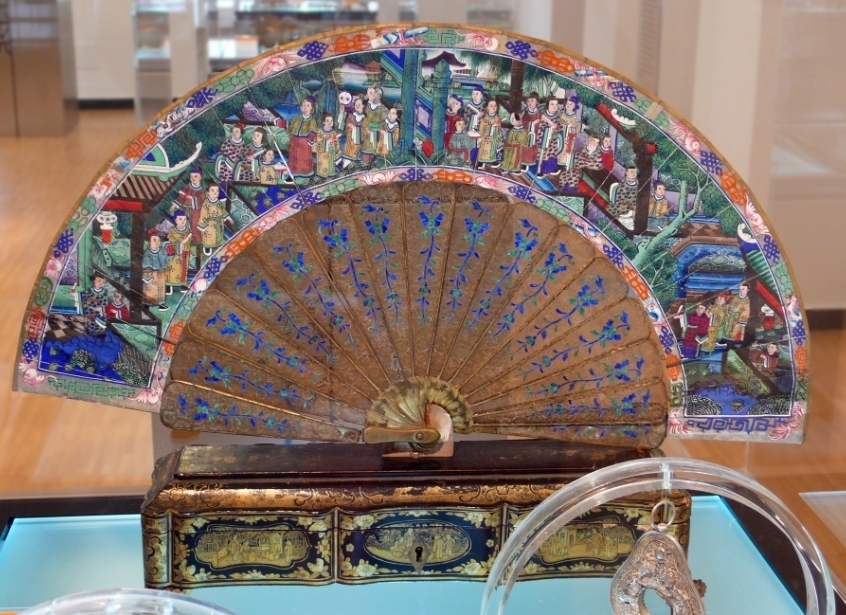
The Filigree Museum Pietro Carlo Bosio stands as a testament to this legacy. Housed in a historic building that reflects the architectural charm of the region, the museum features around 200 pieces of filigree from various cultures across four continents, including Europe, Asia, Africa, and Latin America. Each piece tells a story embedded within its delicate structure, revealing insights into the traditions, customs, and economies of the regions from which they originate. The architectural style of the museum itself is a blend of traditional Ligurian elements, with its stone walls and wooden beams providing a cozy backdrop for the exquisite displays.
As you explore the museum, you'll notice the artistic significance of these works. The filigree pieces are not merely decorative; they are a reflection of the cultural identity and craftsmanship of their creators. From the intricate designs used in religious artifacts to the delicate jewelry that adorns festival-goers, each piece embodies the spirit of the community it represents. The museum also hosts temporary exhibitions and workshops, allowing visitors to engage with the process and learn more about the art of filigree.
Campo Ligure is not just about filigree; it is a town steeped in local culture and traditions. One of the most celebrated events is the Sagra della Filigrana, held annually in July. This festival attracts artisans and visitors from all over, featuring demonstrations, workshops, and the opportunity to purchase unique handcrafted items. The air is filled with the sounds of laughter and music, as locals and tourists come together to celebrate the town's rich heritage.
When it comes to gastronomy, Campo Ligure offers a delightful array of traditional Ligurians dishes. Be sure to try farinata, a savory chickpea pancake that has become a staple in the region. The town is also known for its pesto sauce, made from locally grown basil, garlic, and pine nuts, which pairs beautifully with fresh pasta. For something sweet, sample canestrelli, delicate cookies dusted with powdered sugar, perfect with a cup of local coffee.
As you stroll through Campo Ligure, keep an eye out for lesser-known curiosities that add to its charm. The town is home to several ancient fortifications and churches, such as the Chiesa di San Giovanni Battista, which dates back to the 12th century. You might also discover hidden workshops where artisans still practice the age-old craft of filigree, offering a glimpse into the meticulous process that goes into each piece.
The best time to visit Campo Ligure is during the spring and early autumn months, when the weather is pleasant, and the town is alive with activity. Make sure to take a leisurely walk along the Nervia River, where you can enjoy the serene landscape and the sounds of nature. If you’re interested in the intricacies of filigree, consider scheduling a workshop at the museum, where you can learn directly from skilled artisans.
To make the most of your visit, immerse yourself in the local culture, sample traditional dishes, and engage with the artisans. The charm of Campo Ligure lies in its ability to transport you through time, offering a glimpse into a world where craftsmanship and heritage are cherished.
For a truly personalized experience in Campo Ligure, consider using the Secret World app to plan your itinerary.


