
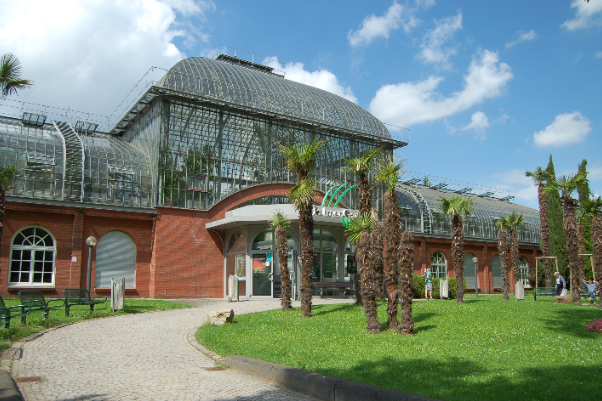

Nestled in the heart of Frankfurt am Main, Palmengarten is a verdant oasis that offers a serene escape from the city's bustling pace. This lush green space, with its exotic flora and tranquil landscapes, stands as a testament to both nature's grandeur and human ingenuity. As you step into this botanical haven, you're not just entering a garden; you're embarking on a journey through history, art, and culture.
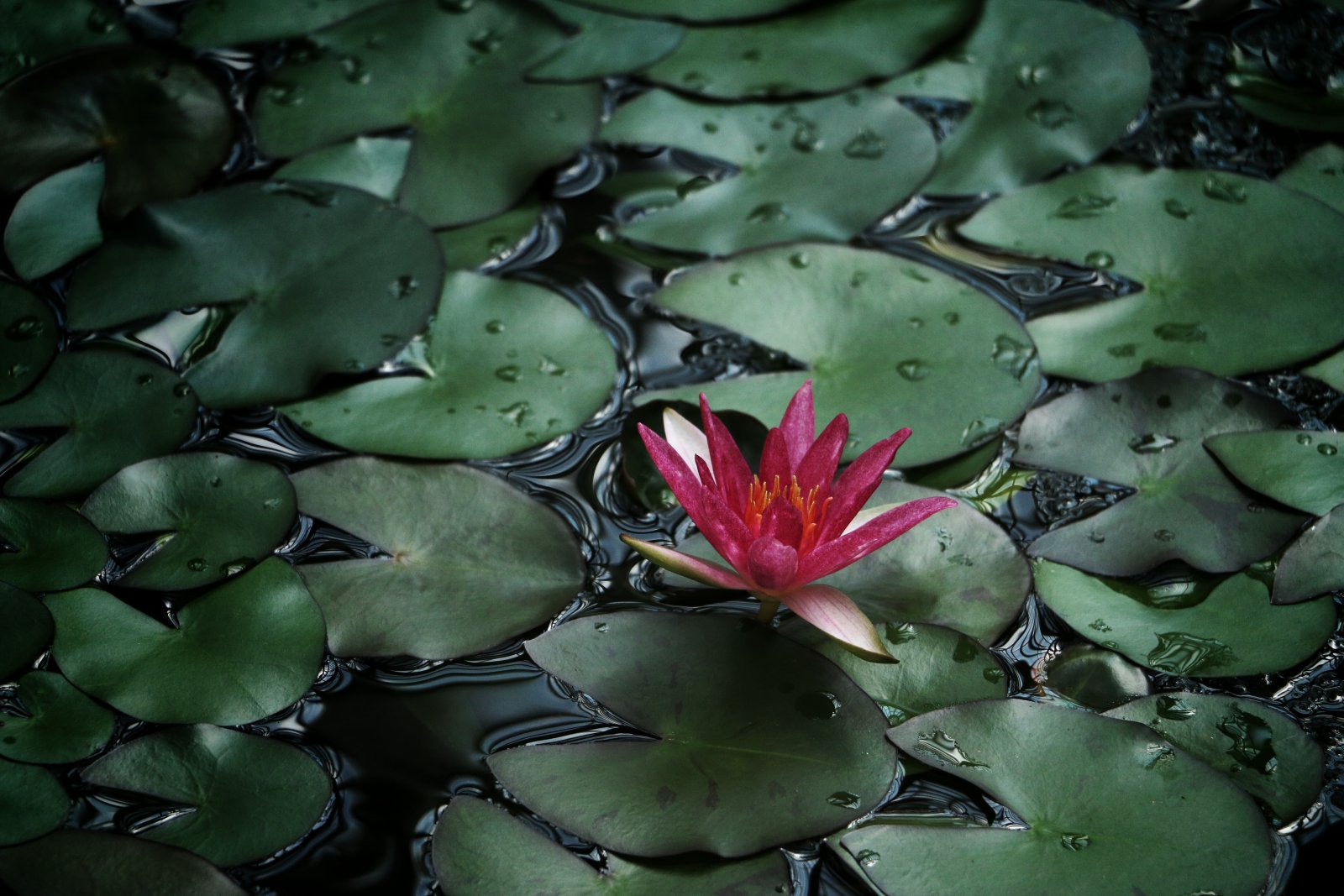
The Palmengarten was founded in 1871, born from the vision of Heinrich Siesmayer, a renowned horticulturalist who sought to create a public garden that would rival the finest in Europe. The garden's inception coincided with the flourishing of the Gründerzeit, a period of economic boom and cultural development in Germany. This era's spirit of innovation and grandeur is palpable in the garden's design and layout. The Palmengarten's history is intertwined with that of Frankfurt, having survived both World Wars and undergone significant restoration and expansion to become a beloved institution.
Architecturally, the Palmengarten is a marvel. Its iconic glasshouses, designed in the late 19th century, reflect the Victorian style's elegance and functionality. The Palmenhaus, or Palm House, is the centerpiece—a majestic structure housing tropical plants from around the world. This architectural gem not only serves as a botanical display but also as a testament to the technological advancements of its time. Art lovers will find the garden's frequent exhibitions and installations a delightful addition to the lush surroundings, blending nature with creative expression.

Culturally, the Palmengarten holds a special place in the hearts of Frankfurt's residents. It hosts numerous events throughout the year, from the dazzling Rosen- und Lichterfest (Rose and Light Festival) to seasonal flower shows that highlight the garden's diverse collection. These events are not only a feast for the senses but also a celebration of the local community's deep-rooted appreciation for nature and art. The garden is a venue where traditional customs meet contemporary culture, creating a unique atmosphere that reflects Frankfurt's cosmopolitan yet historic character.
While the Palmengarten may not be a gastronomic hub, its proximity to the culinary delights of Frankfurt is undeniable. Visitors can enjoy a traditional Frankfurter Grüne Soße (Green Sauce) at nearby eateries, a local specialty made from a blend of seven fresh herbs, often served with boiled potatoes and eggs. The garden itself offers quaint cafes where one can savor a slice of Apfelwein cake, a nod to the region's famous apple wine, while soaking in the lush surroundings.
Beyond its well-trodden paths, the Palmengarten harbors lesser-known wonders that intrigue the curious traveler. One such curiosity is the Tropicarium, a series of climate zones that recreate diverse ecosystems—from arid deserts to humid rainforests. Each zone is meticulously curated, offering a global botanical tour without leaving Frankfurt. Additionally, the garden houses a fascinating collection of carnivorous plants and rare orchids, often overlooked by the casual visitor.
For those planning a visit, the Palmengarten is a year-round destination, though each season brings its own charm. Spring and summer unveil a riot of colors with blooming flowers and verdant growth, while autumn's hues transform the garden into a tapestry of gold and crimson. Winter, while quieter, offers the peaceful beauty of the glasshouses and the warmth of seasonal events. To make the most of your visit, arrive early to explore the garden's extensive trails and diverse greenhouses before the crowds.
In the heart of Frankfurt, the Palmengarten is more than just a garden; it is a living museum, a community hub, and a sanctuary of peace. Whether you're a botany enthusiast, an architecture aficionado, or simply seeking a moment of tranquility, this garden beckons with its timeless allure and rich tapestry of stories waiting to be discovered.


