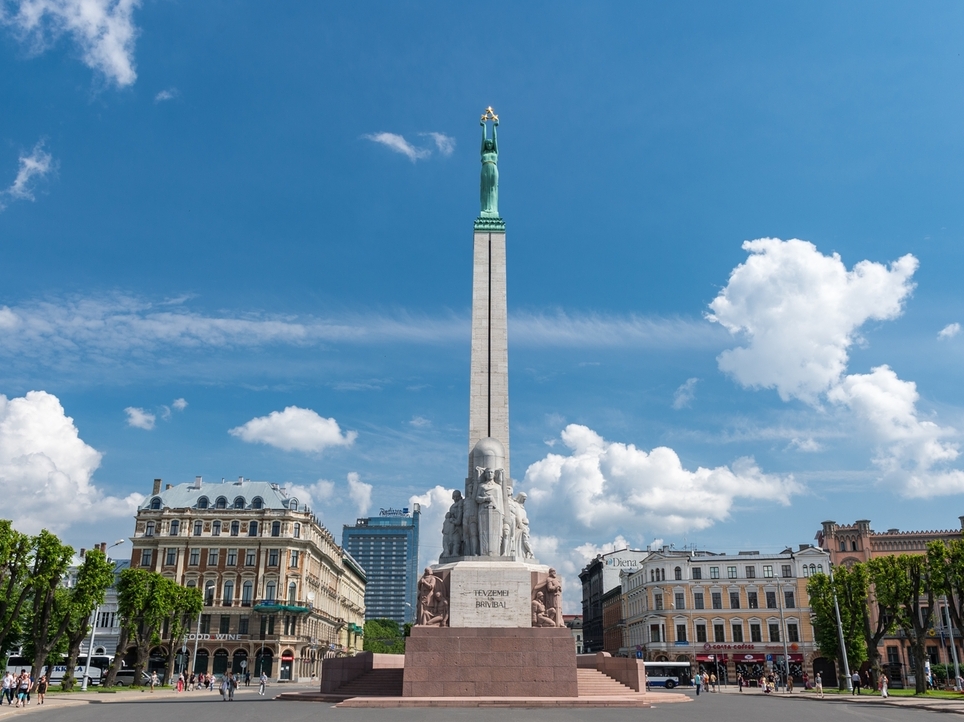

In the heart of Riga, the Freedom Monument stands as a powerful symbol of Latvian statehood, evoking pride and resilience among its citizens. This granite and copper structure, towering at 42.7 meters, is more than just an architectural feat; it is a poignant reminder of the nation’s fight for independence and unity.
### History and Origins
The idea for the Freedom Monument emerged in the wake of Latvia’s declaration of independence from Russian rule on November 18, 1918. The country’s struggle for sovereignty, marked by conflicts and territorial disputes, culminated in the establishment of a democratic state. Funded entirely by public donations, the monument was designed to commemorate the brave souls who sacrificed their lives during the Latvian War of Independence (1918-1920).
Sculptor Kārlis Zāle was commissioned for this monumental task, and the project titled “Mirdzi kā zvaigzne!” (Shine Like a Star) was unveiled on November 18, 1935. The monument’s creation was a collective effort, embodying the spirit of national unity as citizens from all walks of life contributed to its funding.
### Art and Architecture
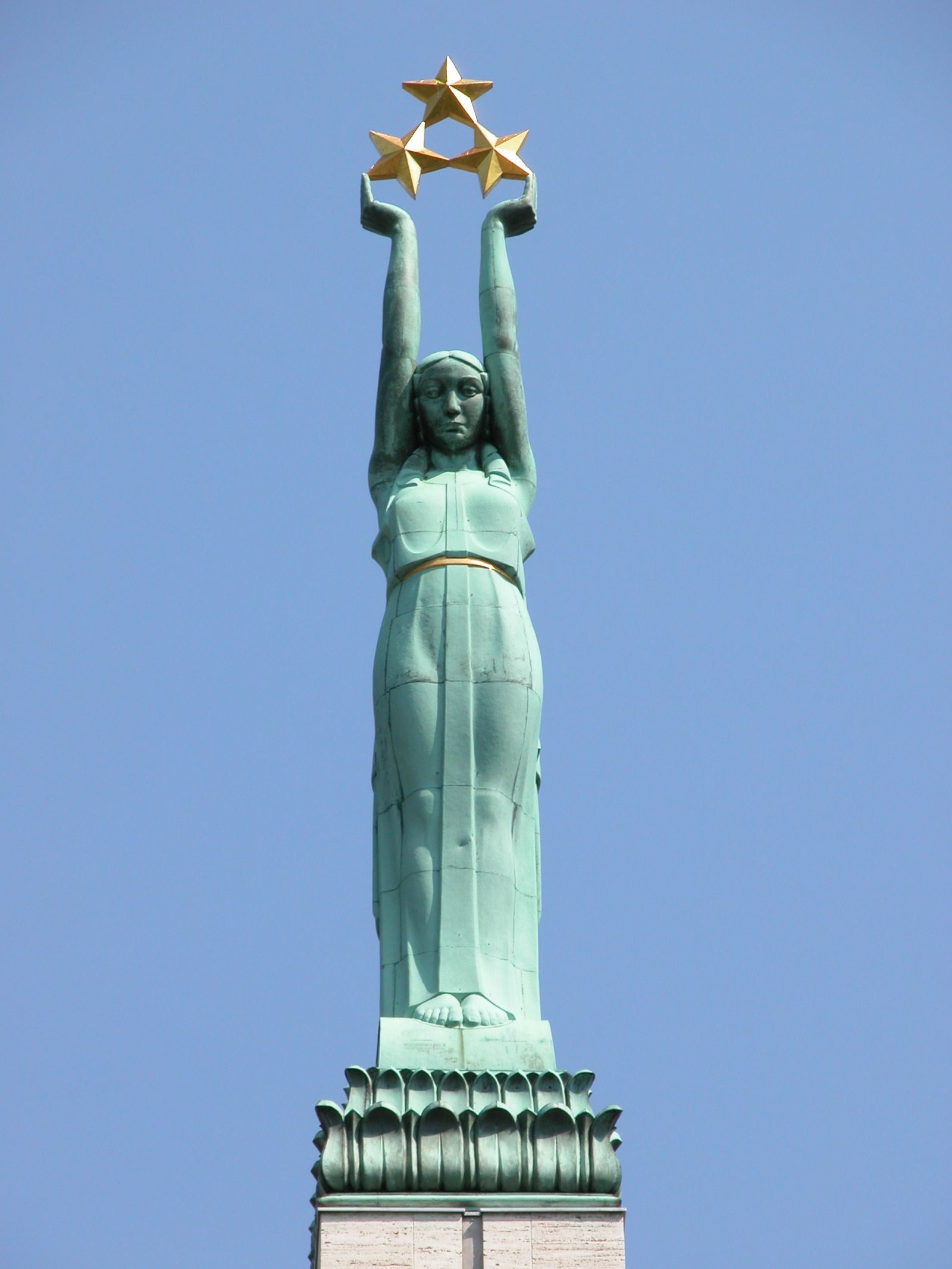
The Freedom Monument is a stunning example of Art Deco architecture, characterized by its clean lines and geometric shapes. Its design incorporates 56 sculptures, divided into 13 sculptural groups that narrate key moments in Latvian history and culture. The base of the monument features intricate reliefs and figures representing the nation’s agrarian roots, labor, and struggle, while at the pinnacle, a young woman—known as Māra, the goddess of freedom—holds three stars above her head. These stars symbolize the three historic provinces of Latvia: Kurzeme, Latgale, and Vidzeme.
The inscription at the base, “Tev, tēvzem!’’ (For Fatherland and Freedom), encapsulates the ethos of the monument, serving as a rallying cry for generations of Latvians. The combination of granite and copper not only showcases the durability of the structure but also reflects the strength of the nation it represents.
### Local Culture and Traditions
The Freedom Monument is deeply ingrained in Latvian culture and serves as a central gathering point for various celebrations and commemorations. Each year, Latvians observe Independence Day on November 18 with parades and ceremonies, culminating in a candlelit vigil at the monument, where thousands gather to express gratitude and honor those who fought for freedom.
Another significant event is the Song and Dance Festival, a tradition that dates back to the 19th century and showcases the rich cultural heritage of Latvia through music and dance. The monument acts as a backdrop for these performances, reinforcing its status as a cultural landmark.
### Gastronomy
While visiting the Freedom Monument, indulge in the flavors of Latvia by sampling local delicacies. Traditional dishes like grey peas with speck or pīrāgi (bacon-filled pastries) reflect the country’s agrarian roots. For a sweet treat, try Riga Black Balsam, a herbal liqueur that has been produced since the 18th century, often enjoyed as a digestif. Pair it with Sklandrausis, a sweet rye pastry filled with carrots and curd, which embodies the local culinary heritage.
### Lesser-Known Curiosities
The Freedom Monument is not only a symbol of independence but also a focal point for unique stories and local legends. One lesser-known fact is that the monument was nearly demolished during the Soviet occupation, as it stood as a stark reminder of Latvia’s sovereignty. However, it was preserved, hidden under the guise of Soviet propaganda, and remains a beloved national treasure today.
Additionally, the monument is said to be surrounded by a ‘magic circle’—a belief that if you walk around it three times counterclockwise while making a wish, it will come true. This tradition is popular among locals and adds a layer of mystique to the site.
### Practical Visitor Information
The Freedom Monument is best visited during the warmer months, from late spring to early autumn, when the weather is pleasant and outdoor events are more frequent. Early mornings or late afternoons are ideal for a peaceful visit, allowing you to take in the monument’s beauty without the crowds.
When visiting, be sure to look for the intricate details in the sculptures and the symbolism behind them. Bring your camera, as the monument is particularly stunning at sunrise and sunset, casting a warm glow on its surfaces.
As you plan your journey to explore the rich tapestry of Riga, consider using the Secret World app to craft a personalized itinerary that unveils the city’s hidden gems.
