
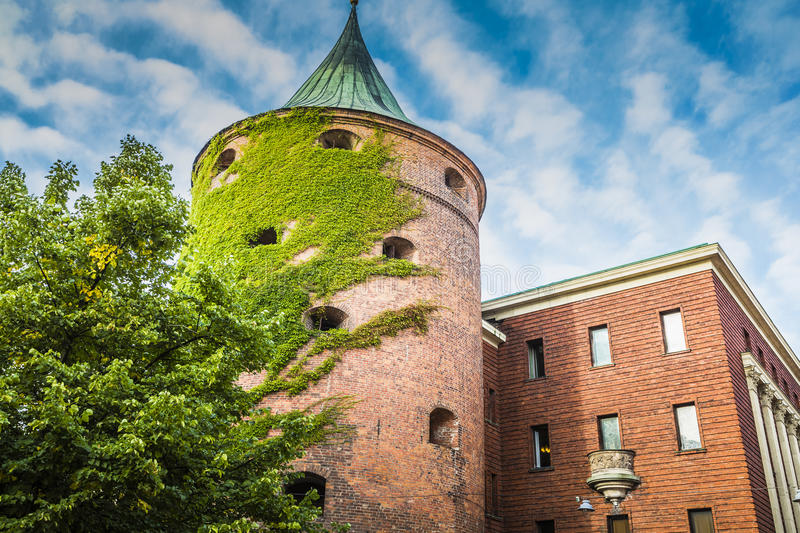

Nestled within the historic Powder Tower of Old Riga, the Latvian War Museum stands as a testament to the tumultuous military and political history of Latvia. This monumental structure, built in the 17th century as part of the city’s fortifications, has seen centuries of change. Initially serving as a gunpowder storage facility, it now houses the largest military history collection in Latvia, boasting over 25,400 items that reveal the stories of war, valor, and resilience.
The museum’s origins trace back to the early 20th century, with its formal establishment in 1916. It was created to document the military struggles and triumphs of Latvia, particularly during the tumult of World War I and the subsequent fight for independence in 1918. The exhibits chronologically narrate Latvia’s military history, emphasizing key events such as the Latvian War of Independence, World War II, and the Soviet era, providing a vivid glimpse into Latvia's past.
Architecturally, the Powder Tower is a striking example of Renaissance design, with its robust brick structure standing in stark contrast to the delicate facades of nearby buildings. Visitors are greeted by an impressive stone archway leading into the museum, which retains much of its historical charm. Inside, the layout is thoughtfully organized, allowing guests to seamlessly navigate through various exhibitions. Notable artworks include period uniforms and intricate weaponry that illustrate the evolution of military tactics and gear over decades.
Culturally, the museum serves as a vital hub for understanding the Latvian identity forged through conflict. Throughout the year, it hosts numerous events and exhibitions that resonate with local customs and traditions. Noteworthy are the commemorative events held on November 18, marking Latvia's independence, where visitors can witness local performances and partake in discussions on national identity. Festivals like the Song and Dance Festival also reflect the cultural significance of unity and resilience, themes echoed within the museum’s collections.
No visit to the Latvian War Museum would be complete without indulging in the local gastronomy. Just a short walk away, you can find eateries serving traditional Latvian dishes such as grey peas with bacon and potato pancakes. Pair your meal with a local beer, such as Aldaris, or try Riga Black Balsam, a herbal liqueur with a rich history connected to Latvian folklore. These culinary experiences provide a taste of the culture that has endured through the centuries.
For the curious traveler, the museum hides several lesser-known stories. One fascinating detail is the preserved German helmet that belonged to a soldier from the Baltic German community, reflecting the complex layers of Latvia's history. Another surprising find is the section dedicated to Latvian soldiers who fought in the Spanish Civil War, showcasing the far-reaching impacts of Latvian military involvement beyond its borders.
When planning your visit, the best time to explore the Latvian War Museum is during the late spring to early autumn months (May to September), when the weather is most pleasant for walking through the vibrant streets of Riga. Allocate at least two hours to fully absorb the exhibits. Don’t miss the opportunity to pick up a visitor guide at the entrance for insights into each display, and consider joining one of the guided tours for a deeper understanding of the context behind the artifacts.
In conclusion, the Latvian War Museum is more than just a collection of military artifacts; it is a chronicle of Latvia’s resilience and cultural identity. For those looking to delve deeper into the history and spirit of Riga, consider using the Secret World app to craft a personalized itinerary that uncovers the stories waiting to be discovered.


