
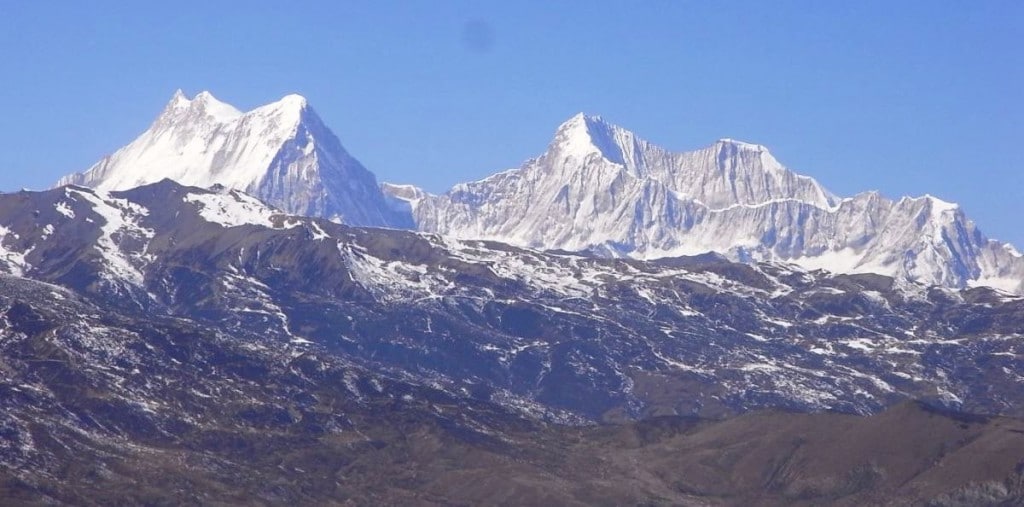

Nestled within the pristine landscapes of Bhutan, Gangkhar Puensum rises majestically as the highest peak in the country and is a strong contender for the title of the highest unclimbed mountain in the world. Standing at a staggering 7,570 metres (24,836 ft), its sheer height and untouched beauty draw adventurers and spiritual seekers alike. The mountain's name translates to "White Peak of the Three Spiritual Brothers," a nod to the deeply rooted spiritual beliefs of the local communities surrounding it.
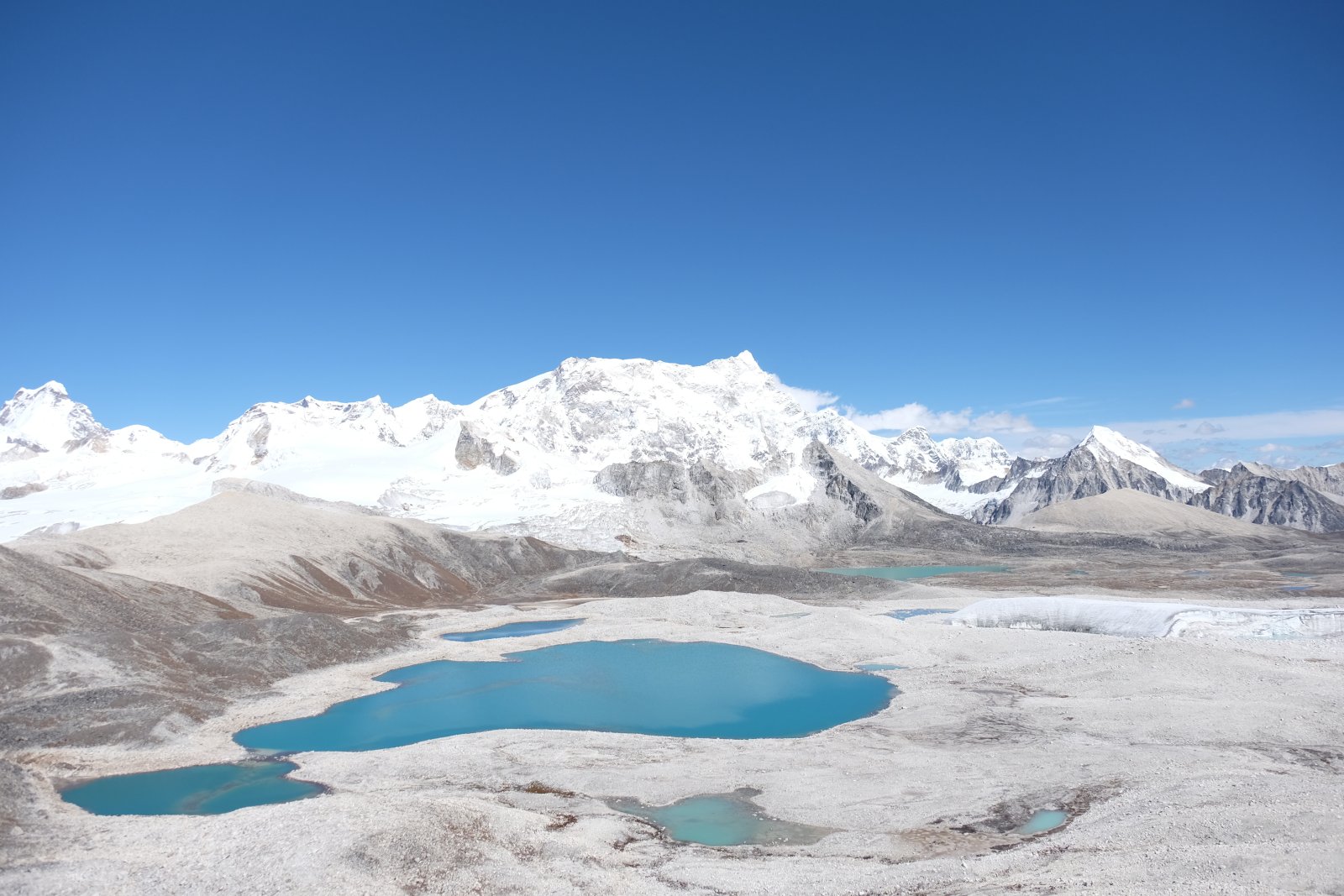
The history and origins of Gangkhar Puensum are steeped in the rich tapestry of Bhutanese culture. According to local legend, the mountain is believed to be the abode of powerful deities. As such, it has long been considered sacred, and climbing it is viewed as a direct challenge to the divine. The mountain's first recorded attempt at ascent occurred in 1985 by a Japanese expedition. Despite the team's best efforts and meticulous planning, they were forced to turn back due to severe weather conditions. Other expeditions followed, but all faced the same fate, with many attributing their failures to the protective spirits of the mountain. This narrative has transformed Gangkhar Puensum into a mythical quest among climbers, a summit that remains tantalizingly out of reach.
The architectural style of Bhutan is distinctive, characterized by traditional dzongs, or fortress-like structures that serve as both religious and administrative centers. While Gangkhar Puensum itself is primarily a natural wonder, the surrounding villages celebrate their architectural heritage through intricate woodwork and vibrant paintings that depict Buddhist motifs. The Punakha Dzong, located not far from the mountain, is a stunning example of this style, with its ornate details and symbiotic relationship with the landscape. The artwork here, rich in symbolism and meaning, serves as a reminder of the cultural significance of the mountains in Bhutanese spirituality.
Local customs around Gangkhar Puensum reflect the deep connection the Bhutanese people have with nature and their environment. Festivals such as Tshechu, celebrated in various regions, are vibrant displays of traditional dance, music, and religious rituals. Participants don colorful attire, and the dances tell stories of local legends and the triumph of good over evil. The Punakha Tshechu, in particular, features a spectacular display of the guru rinpoche dance, honoring the figure credited with bringing Buddhism to Bhutan. These festivals not only celebrate the local culture but also reinforce the bond between the people and their revered natural surroundings.
When it comes to gastronomy, the region's cuisine offers a delightful journey through flavor. Ema Datshi, a dish made from chili peppers and cheese, is a staple in Bhutan and is often accompanied by red rice, which is grown in the fertile valleys. The use of local ingredients reflects the simplicity and richness of Bhutanese cooking. In the villages near Gangkhar Puensum, you might also come across suzung, a traditional local beverage made from fermented rice, giving visitors a chance to savor the authentic taste of the land.
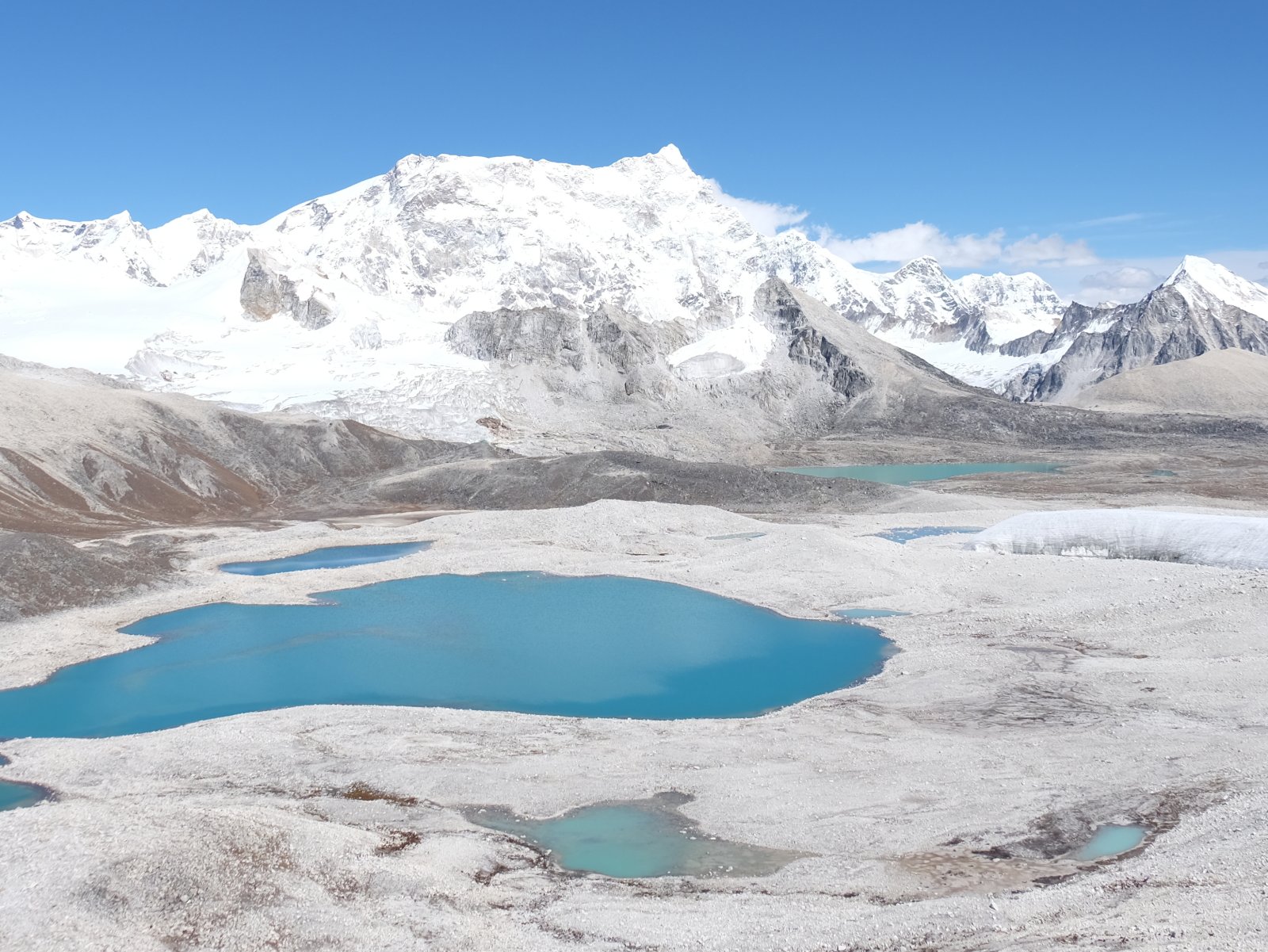
Amidst the grandeur of Gangkhar Puensum, lesser-known curiosities abound. For instance, the mountain is also home to various unique flora and fauna, some of which are endemic to the region. The elusive snow leopard and the sacred blue poppy can be found among its slopes, adding to the mountain's mystique. Additionally, the local belief in the protective spirits of the mountain leads to the practice of offering prayers and rituals at its base, showcasing the intertwining of nature and spirituality in Bhutanese life.
For those considering a visit, the best time to experience the allure of Gangkhar Puensum is between April and October. During these months, the weather is generally clear, offering breathtaking views of the peak and the surrounding valleys. However, it is crucial to plan your journey with respect for local customs and environmental guidelines. Trekking in the region often requires a guide, and visitors are encouraged to engage with local communities to gain deeper insights into their rich traditions and the significance of the mountain.
As you prepare for your adventure, consider using the Secret World app to craft a personalized itinerary that captures the essence of Bhutan's natural beauty and cultural richness.


