
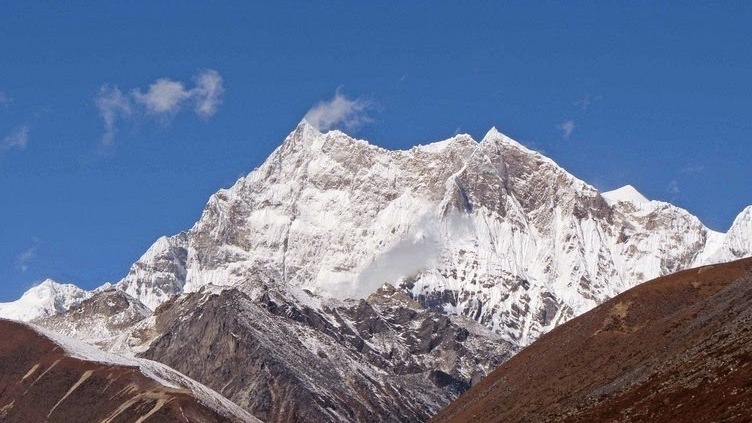

Standing majestically at 7,570 meters, Gangkhar Puensum is not only the highest unclimbed mountain in the world but also a symbol of Bhutanese culture and spirituality. Nestled in the eastern Himalayas, it straddles the border between Bhutan and China, capturing the imagination of adventurers and spiritual seekers alike. Its name translates to 'White Peak of the Three Spiritual Brothers,' reflecting the deep significance the mountain holds for the local people.
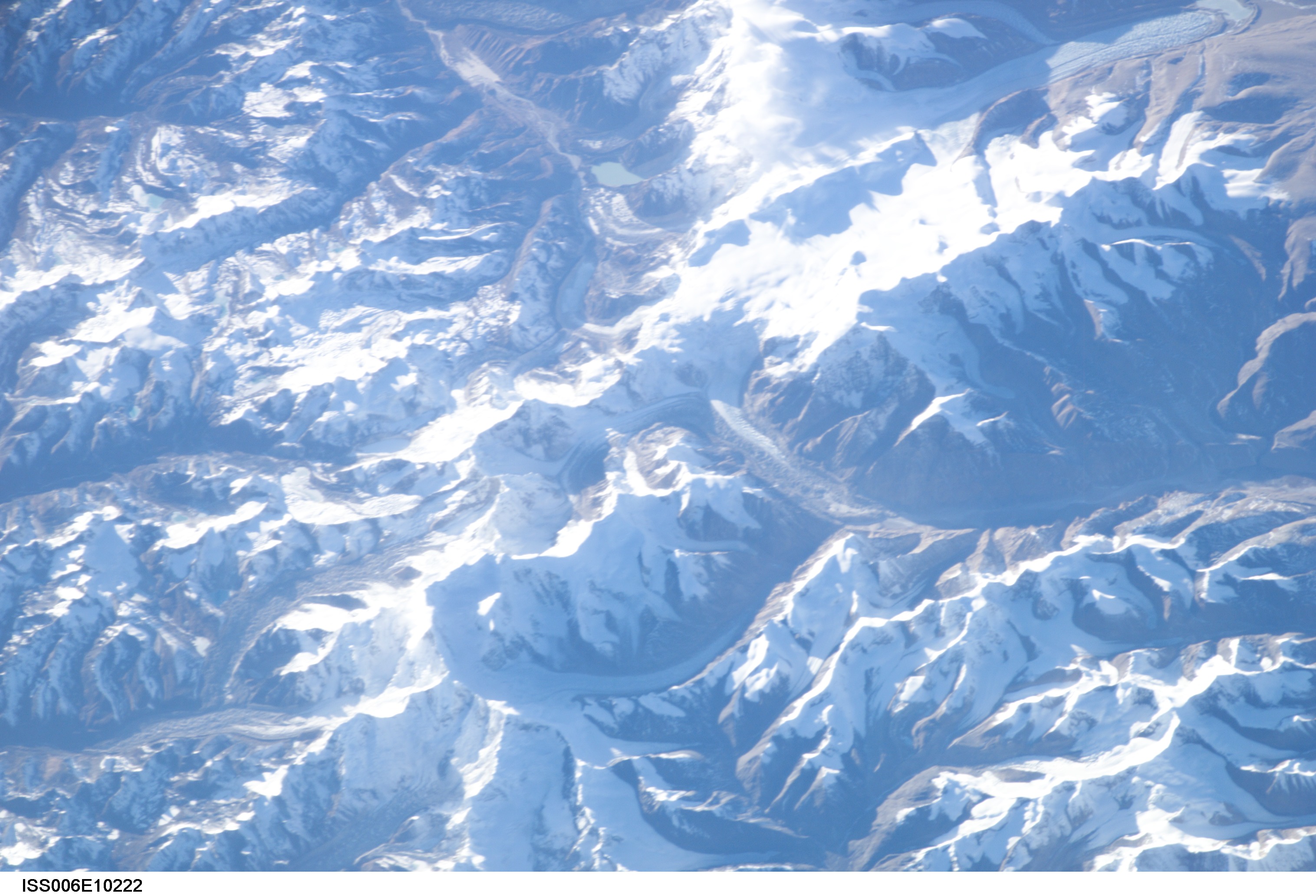
History and Origins Gangkhar Puensum's history is steeped in Bhutanese mythology and reverence. The mountain has been a sacred site for centuries, believed to be the abode of deities. It was first officially surveyed in the early 20th century, and by 1983, it attracted the attention of climbers worldwide. However, with only four expeditions recorded—those in 1983, 1985, 1986, and 1994—the mountain proved elusive, thwarting climbers with its unpredictable weather and treacherous conditions. In 2004, the Bhutanese government imposed a climbing ban, grounded in the belief that the mountain is sacred, marking it as an untouched monument to nature and spirituality.
Art and Architecture While Gangkhar Puensum itself may not boast architectural feats, its surrounding areas are rich with traditional Bhutanese architecture. The country is known for its dzongs—fortress-like monasteries that are both administrative and religious centers. The intricate woodwork and ornate paintings found within these structures reflect the artistry and devotion of the Bhutanese people. The architecture is often characterized by decorative cornices, colorful murals, and stupas, which together create a visual harmony that resonates with the natural beauty of the mountains.
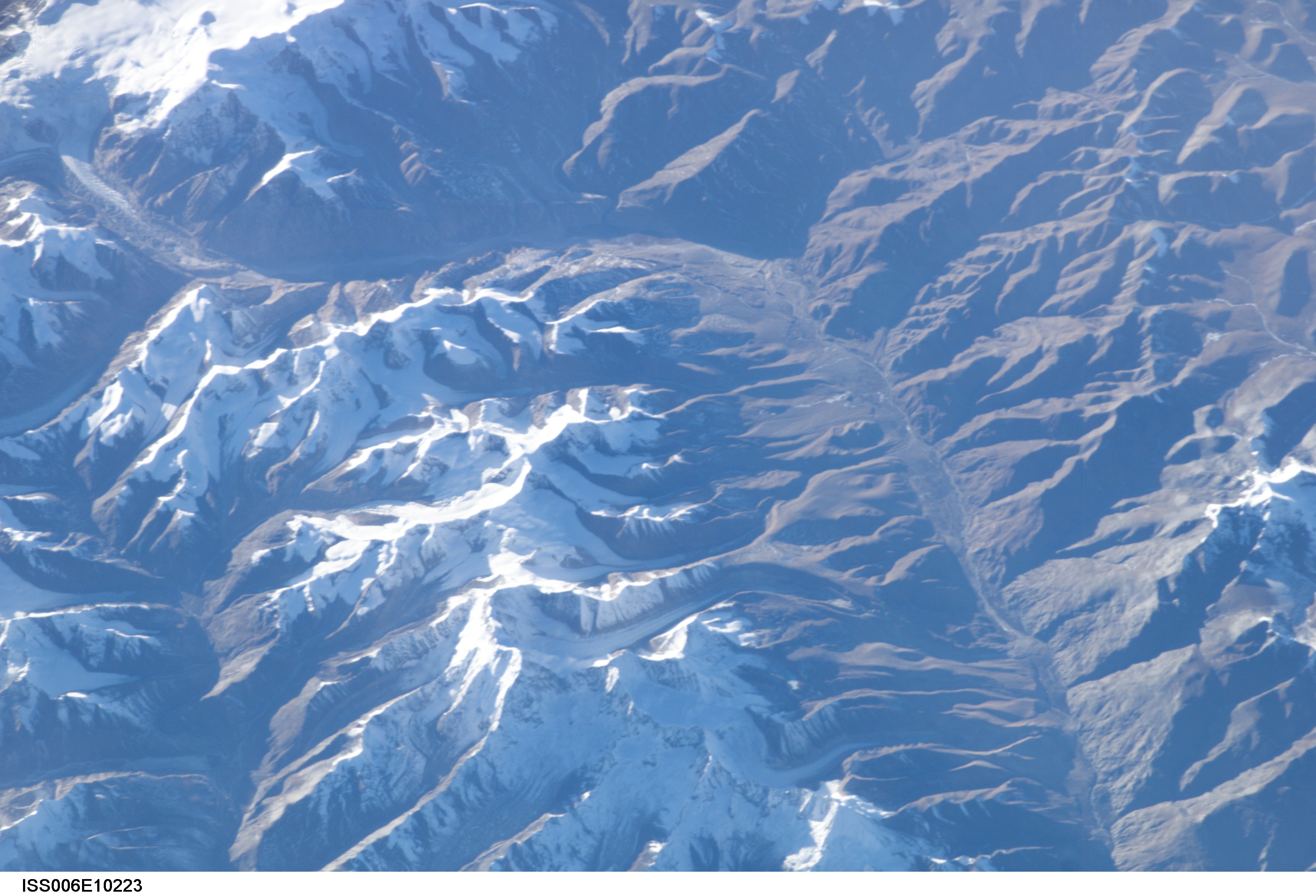
Local Culture and Traditions The Bhutanese people are deeply connected to their land and its natural elements, with Gangkhar Puensum being a central figure in their cultural narratives. Festivals such as the Thimphu Tshechu and Paro Tshechu celebrate local traditions, featuring elaborate dances, music, and vibrant costumes that honor deities and the land. The Gesar of Ling, a famous epic hero, is also celebrated in local folklore, with tales often intertwined with the mountain's spiritual significance. The concept of Gross National Happiness reflects the Bhutanese commitment to preserving culture, nature, and spirituality, making Gangkhar Puensum a poignant symbol of this philosophy.
Gastronomy While the mountain itself does not provide culinary offerings, the surrounding regions are home to a rich tapestry of flavors. Ema Datshi, a spicy cheese and chili dish, is considered the national dish and is a staple in Bhutanese households. Visitors can also savor Jasha Maru, a chicken stew with herbs and spices, and enjoy local beverages such as ara, a traditional rice wine. The culinary experience is often connected to the land, with many dishes utilizing locally sourced ingredients that reflect the culture and climate of Bhutan.
Lesser-Known Curiosities Despite its fame as an unclimbed peak, many tourists overlook the fascinating stories surrounding Gangkhar Puensum. For instance, the mountain is home to a variety of wildlife, including the elusive takin, Bhutan's national animal, which resides in the lush forests surrounding the mountain. Additionally, Gangkhar Puensum is often shrouded in mystique; many believe that climbing it would disturb the deities residing within, hence the local belief that attempts to conquer the peak would lead to failure.
Moreover, its remoteness means that the area around the mountain remains relatively unspoiled, offering hikers and trekkers an opportunity to experience Bhutan's breathtaking landscapes. The Bumthang Valley, known for its ancient temples and serene environment, serves as an excellent starting point for those wishing to explore the region's beauty without disturbing the sacred mountain.
Practical Visitor Information The best time to visit Gangkhar Puensum is during the spring (March to May) and autumn (September to November) when the weather is stable and the skies are clear. Travelers should prepare for variable conditions and ensure they have proper trekking gear. While you won't be able to climb Gangkhar Puensum, the surrounding regions offer stunning views and trekking opportunities—such as the Druk Path Trek—that showcase the majestic beauty of the Himalayas.
When planning your trip, consider engaging with local guides who can provide insights into Bhutanese culture and the significance of Gangkhar Puensum. Embrace the local customs, participate in festivals if possible, and indulge in the delicious local cuisine to ensure a rich experience.
With its stunning landscapes, deep cultural roots, and spiritual significance, Gangkhar Puensum remains an untouched gem waiting to inspire future generations. To make the most of your visit, consider using the Secret World app to plan your personalized itinerary and explore the wonders of Bhutan.


