
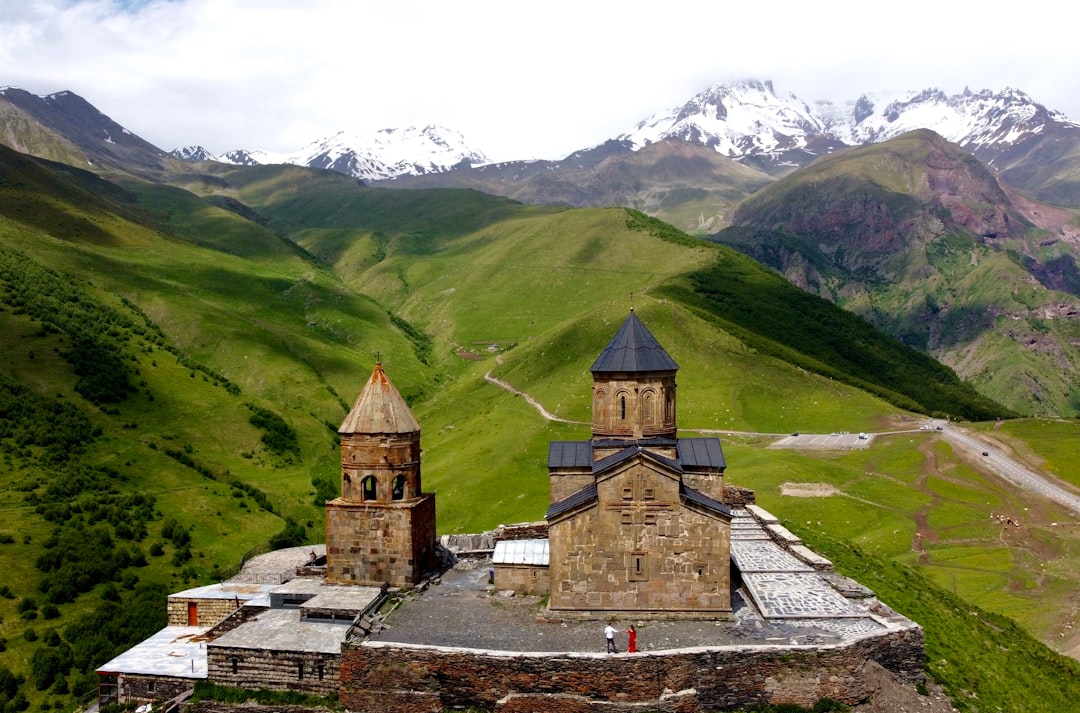

The sound arrives before the sight. Approaching the Geghard monastery through the gorge of the Azat river, one can hear the voices of Armenian singers bouncing off the dark basalt walls, an echo that seems to come from the rock itself. This is not a random acoustic effect: the naves of this medieval monastic complex have been carved directly into the mountain, and the stone amplifies every vibration like a natural resonance box.
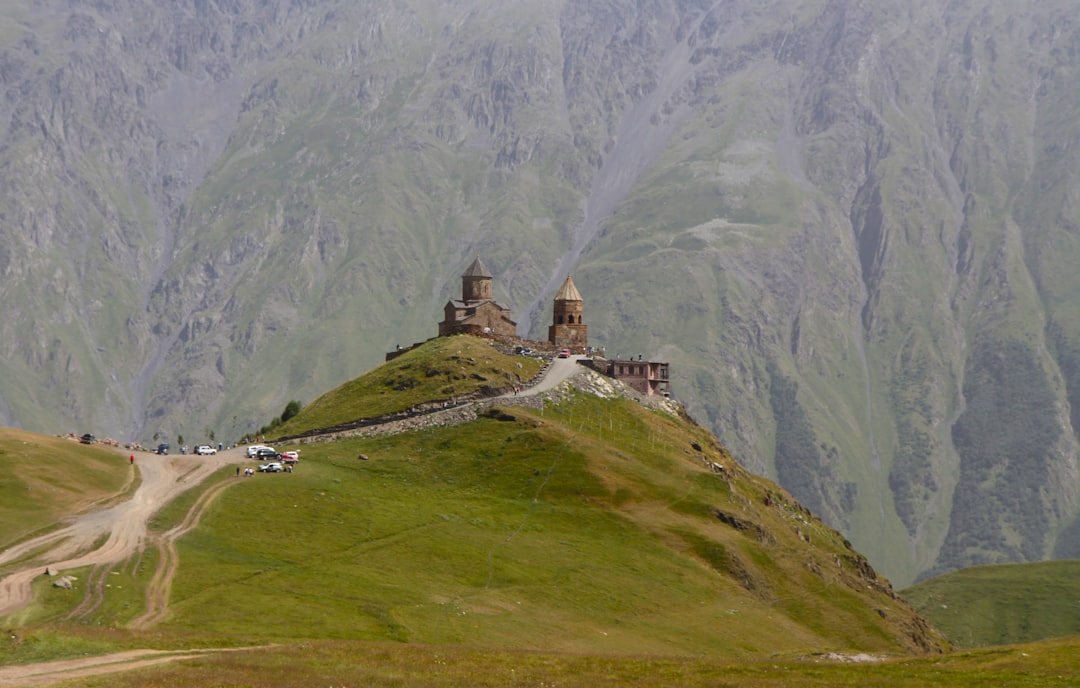
Geghard is located about 40 kilometers east of Yerevan, in the Kotayk region, nestled in a dramatic gorge that Armenian monks considered sacred even before the arrival of Christianity. The site hosts structures dating back to the 4th century, when according to tradition it was founded by Gregory the Illuminator, the saint who converted the Armenian king Tiridates III to Christianity in 301 AD, making Armenia the first country in the world to adopt this religion as a state faith. The monastery was then significantly rebuilt and expanded in the 13th century, especially under the patronage of the Zakarian dynasty, which financed the construction of the deeper rock churches.
Architecture in the Rock: What to See Physically
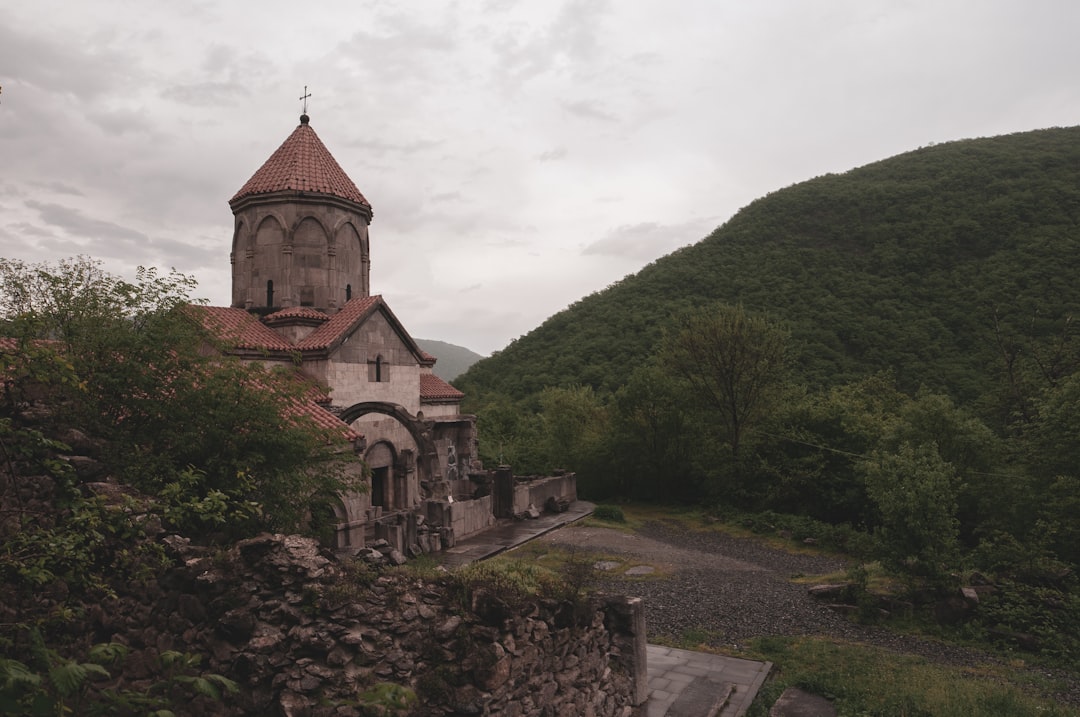
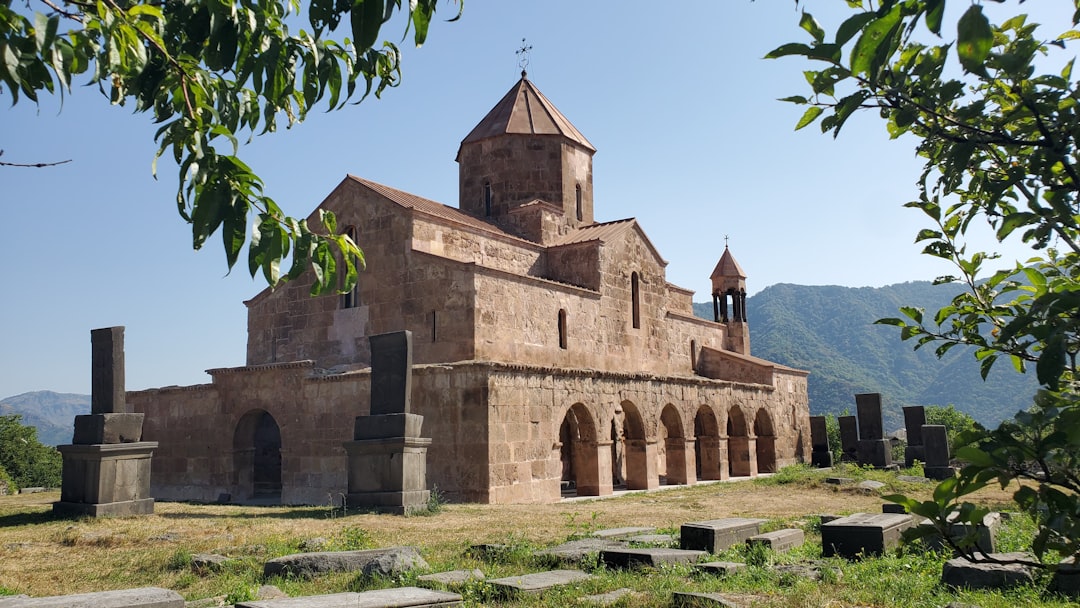
Entering the complex means crossing a sequence of increasingly intimate and dark spaces. The main church, the Katoghike, built in 1215, is made of cut stone blocks and features an octagonal drum dome typical of Armenian medieval architecture. But it is in the halls carved into the mountain that Geghard becomes something difficult to describe: the rock-cut Gavit, from 1283, is entirely carved from basalt, with columns, arches, and a stalactite dome hewn from the living rock. Light filters through a circular opening in the ceiling, creating a beam that slowly moves throughout the day.
On the inner walls and along the path leading to the higher chapels, there are hundreds of khachkar, the Armenian stone crosses carved with geometric and floral patterns of extraordinary complexity. Each khachkar is unique, and many bear inscriptions in ancient Armenian script that identify the patrons or commemorate the deceased. UNESCO included Geghard in the World Heritage List in 2000, along with the site of Aziz.
Sunday morning: the experience of liturgical chants
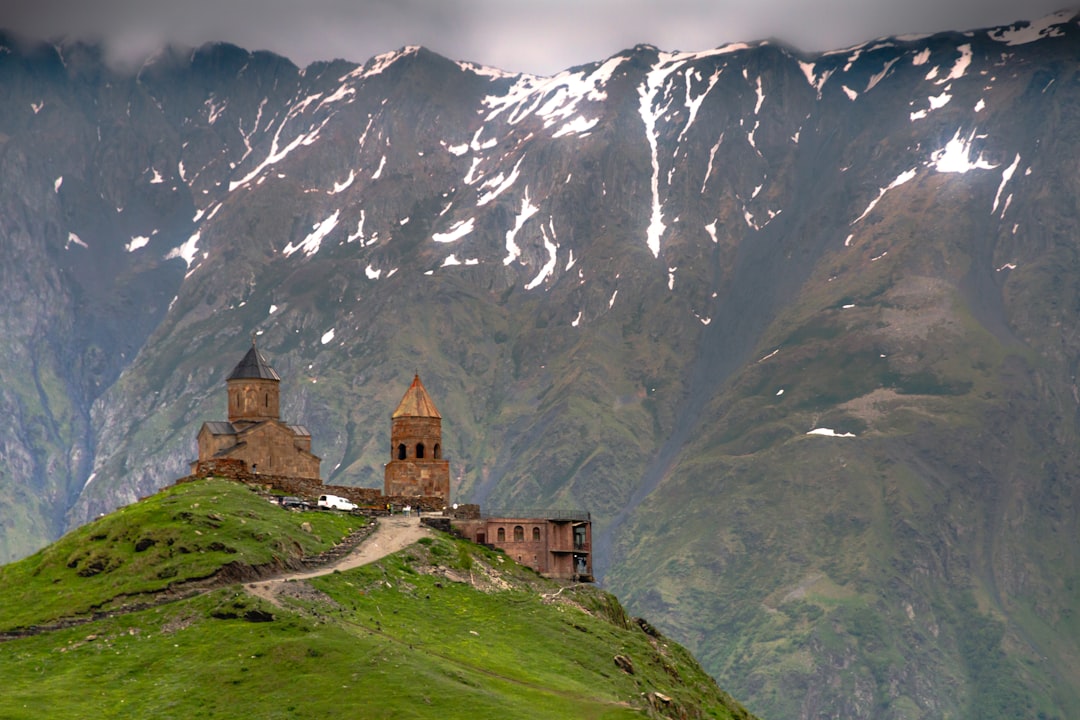
If there is a moment when Geghard reveals its most authentic nature, it is Sunday morning during the liturgy. Armenian faithful gather in the Katoghike and in the rock-hewn chapels, and the polyphonic singing of the Armenian apostolic tradition fills every cavity of the stone. The natural acoustics of the carved halls transform ordinary human voices into something supernatural: the frequencies overlap, multiply, and resonate in the basalt walls for seconds after the voices have stopped.
This is not a performance organized for tourists, but an authentic religious service. It is possible to attend while remaining silently at the edges of the nave, respecting the space of the faithful. Bringing something to cover the shoulders is a form of respect that the monks visibly appreciate.
How to get there and practical advice
From Yerevan, there are no direct public transport connections to Geghard. The most common option for independent travelers is to rent a car or take a shared taxi from the minibus station in Gai, in the Erebuni district of the capital. Many local tour operators offer combined excursions that include Geghard and the pagan temple of Garni, located about 11 kilometers away, allowing visitors to see both sites in half a day.
The best time to visit is early in the morning, before organized groups arrive. In summer, temperatures in the gorge remain cooler than in the plain, but parking fills up quickly after 10 AM. Entrance to the complex is free, but it is customary to leave a small offering in the boxes located inside the chapels. Allow at least 90 minutes to calmly visit all accessible halls, including the higher ones reachable via internal stairs in the rock. Avoid taking photographs during religious services without asking first.
The context in the Azat Gorge
The landscape surrounding Geghard is an integral part of the experience. The gorge of the Azat River is formed by columns of hexagonal basalt, similar to those of the Giant's Causeway in Northern Ireland, created by the cooling of ancient lava flows. The medieval monks did not choose this place despite its ruggedness, but precisely because of it: the dark rock and vertical walls created a sense of separation from the ordinary world that still translates today into a quality of silence that is hard to find elsewhere. Even on crowded days, it is enough to walk a hundred meters away from the parking lot to rediscover that tranquility.


