
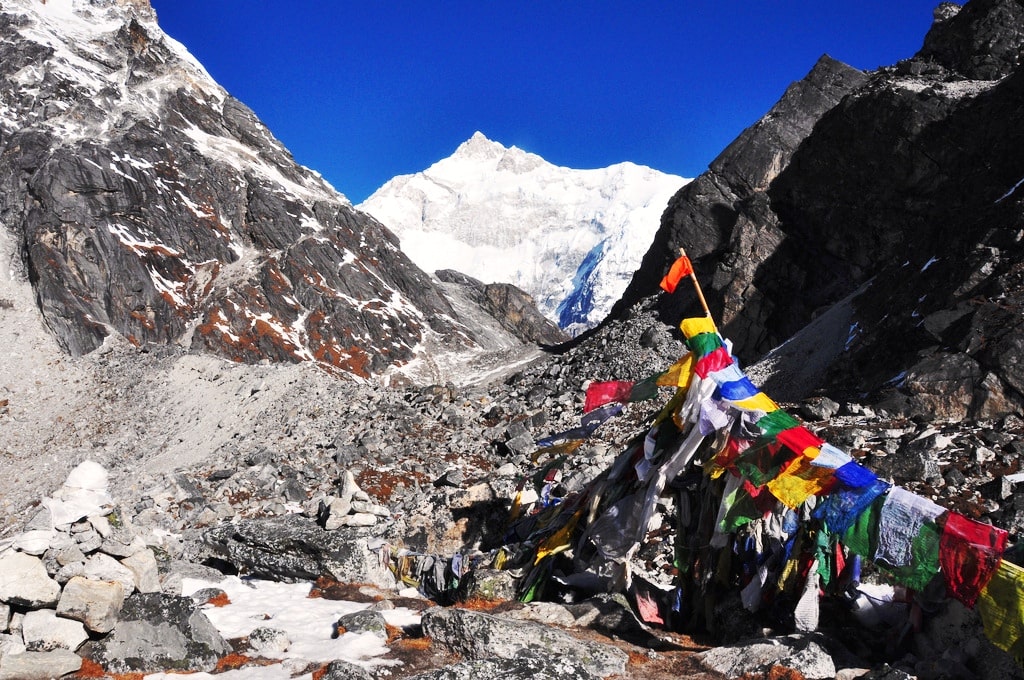

Nestled in the majestic embrace of the Himalayas, Goecha La Pass offers an unparalleled gateway to the awe-inspiring vistas of Mount Kanchenjunga, the third highest peak in the world. The trek to Goecha La is not merely a journey through one of the most scenic landscapes on earth; it is a step back in time, a brush with ancient cultures, and a dance with the untamed spirit of the mountains.
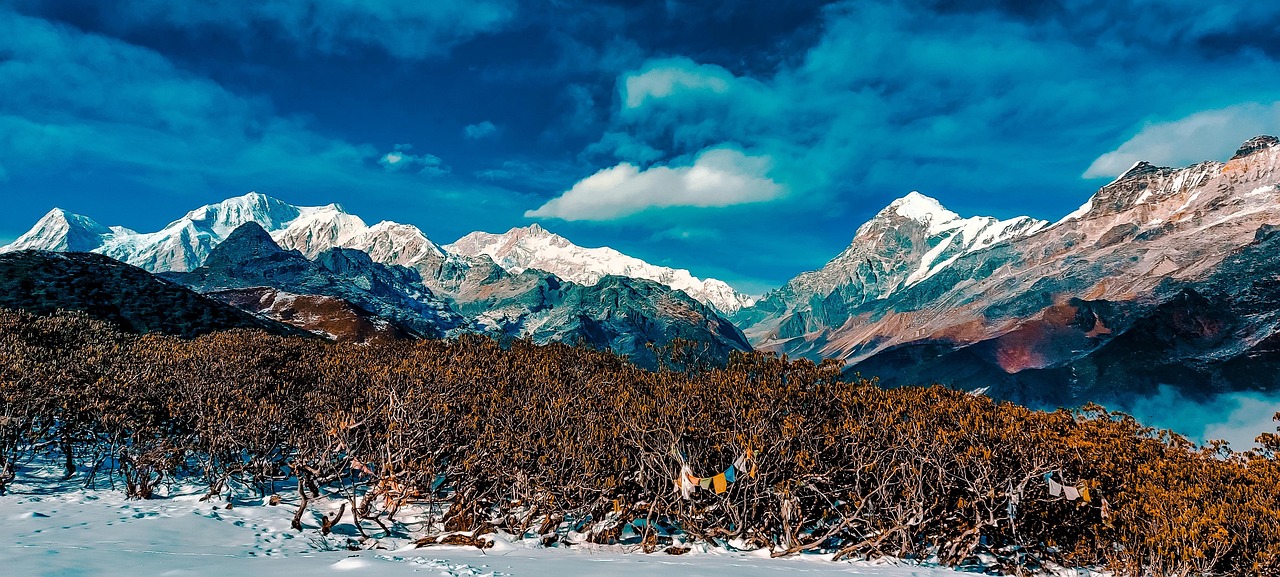
The history of Goecha La is a tapestry woven with the threads of exploration and spirituality. The region has long been a significant passage for traders and pilgrims. The Sikkimese people, who have inhabited the area for centuries, regard Kanchenjunga as a sacred mountain, a mystical guardian that watches over their lands. In fact, the name Kanchenjunga is derived from the Tibetan words "Kanchen" and "Dzonga," meaning "The Five Treasures of the High Snow," reflecting the five peaks of the massif, which are believed to represent gold, silver, gems, grain, and holy books.
Architecturally, the region around Goecha La is a testament to the resilience and ingenuity of its people. Traditional Sikkimese architecture is characterized by its harmonious blend with the natural environment. The use of local materials, such as stone and wood, and the intricate Buddhist motifs that adorn many structures speak to the deep spiritual connection of the inhabitants with their surroundings. While the trek itself is more a journey through nature than a tour of human-made structures, the trail passes through picturesque hamlets where one can observe the unique architecture of homes and monasteries adorned with prayer flags that flutter in the mountain winds.
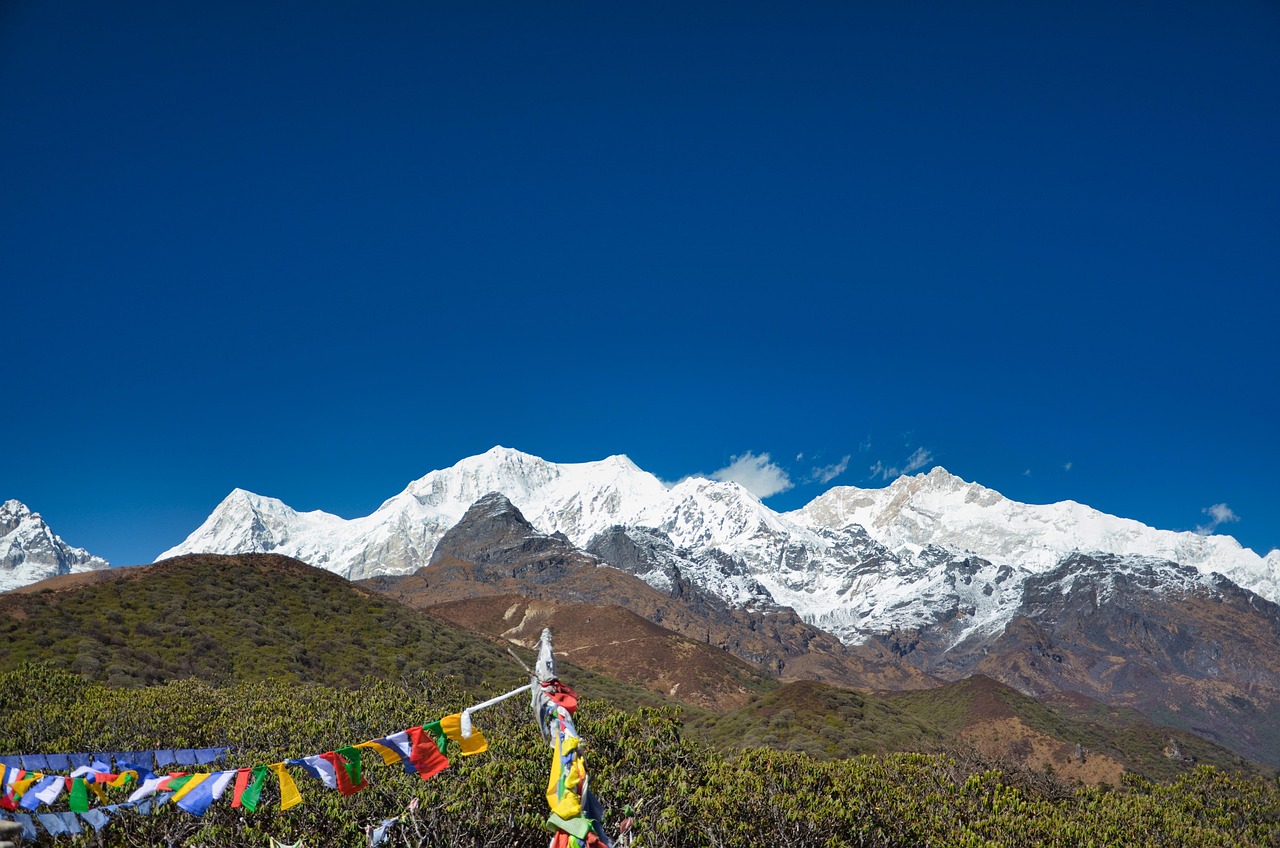
Culturally, the region is a vibrant mosaic of traditions and festivals. The people of Sikkim are predominantly of Bhutia, Lepcha, and Nepali descent, each group contributing to a rich cultural tapestry. One of the most celebrated festivals is Losar, the Tibetan New Year, marked by vibrant dances, music, and the sharing of traditional foods. The Kagyed Dance, a ceremonial dance performed in monasteries, is another cultural highlight, offering a glimpse into the region's deep-rooted Buddhist traditions.
Gastronomy in the Goecha La region is a delightful exploration of flavors. Traditional Sikkimese cuisine is influenced by Tibetan and Nepali culinary practices, with staples like momos (dumplings), thukpa (noodle soup), and gundruk (fermented leafy greens) being popular among locals and trekkers alike. The simplicity of the food reflects the mountain lifestyle, focusing on hearty, warming dishes that provide sustenance in the cold, high-altitude climate. Additionally, Chhang, a traditional alcoholic beverage made from millet or rice, is often enjoyed during celebrations and as a warming drink on chilly nights.
While the grandeur of Goecha La and Kanchenjunga is widely celebrated, there are lesser-known curiosities that add layers to their mystique. One such story is that of the Yeti, the elusive creature of Himalayan folklore. Locals recount tales of sightings near the high passes, adding an element of intrigue to the already dramatic landscape. Another hidden gem is the Samiti Lake, a serene alpine lake nestled en route to the pass. Its turquoise waters reflect the towering peaks, offering a moment of tranquility amidst the challenging trek.
For those planning a visit, practical considerations are crucial. The best time to embark on the Goecha La trek is during the pre-monsoon months of April to June and the post-monsoon period from September to November, when the weather is generally clear, providing unobstructed views of Kanchenjunga. Trekkers should be well-prepared for the challenging terrain and rapidly changing weather conditions. Hiring a local guide can enhance the experience, providing cultural insights and ensuring safety.
In the end, a journey to Goecha La and Mount Kanchenjunga is not just about reaching a destination; it's about immersing oneself in the stories, traditions, and natural wonders that define this extraordinary corner of the world. Whether you're drawn by the call of adventure, the allure of history, or the serenity of the mountains, Goecha La promises an experience that resonates long after the trek is over.


