
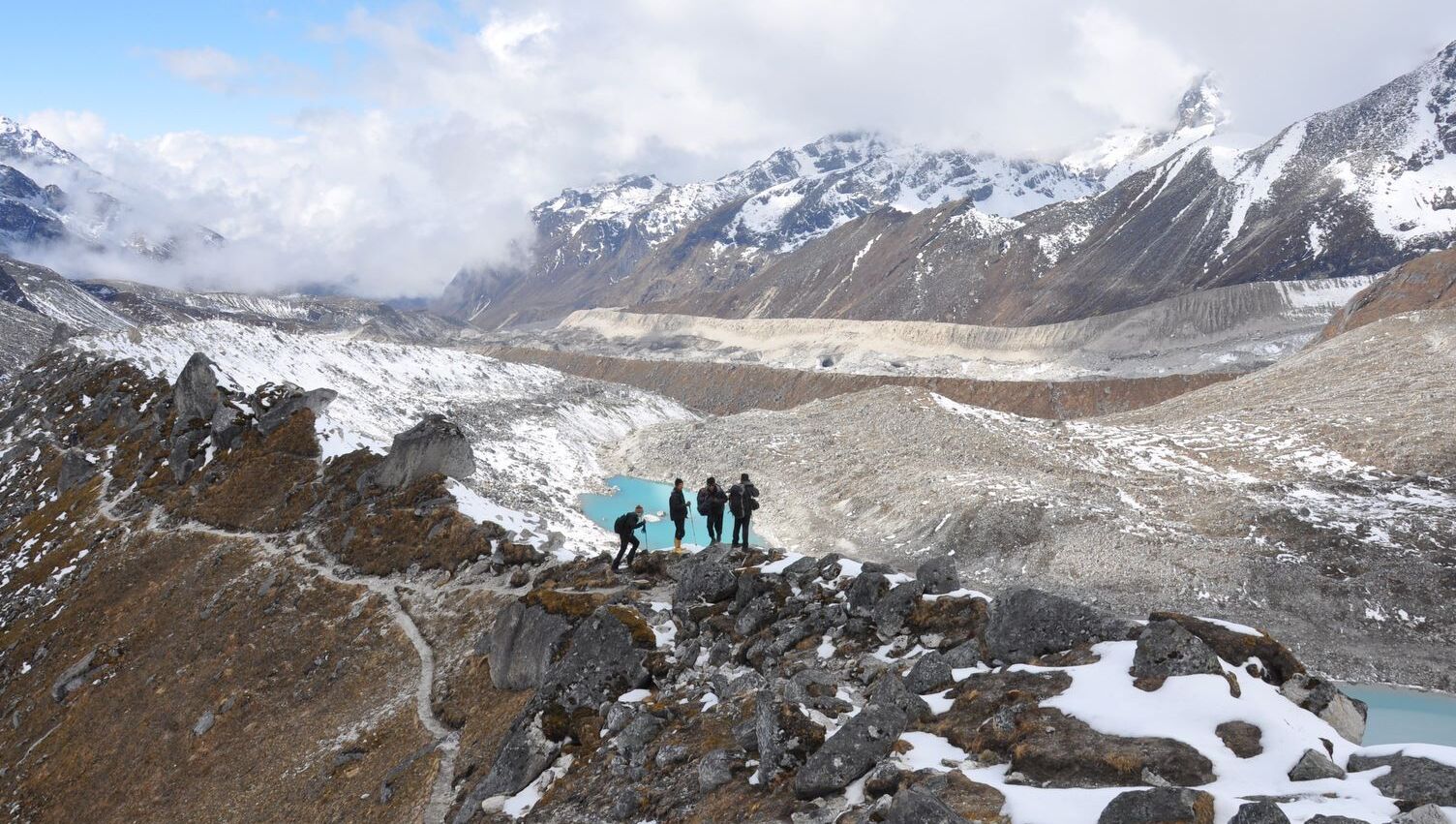

Nestled in the heart of the Eastern Himalayas, the Goechala trek stands as one of the most breathtaking trekking experiences in India. This stunning journey not only offers awe-inspiring views of mighty peaks but also immerses trekkers in a rich tapestry of history, culture, and natural beauty.
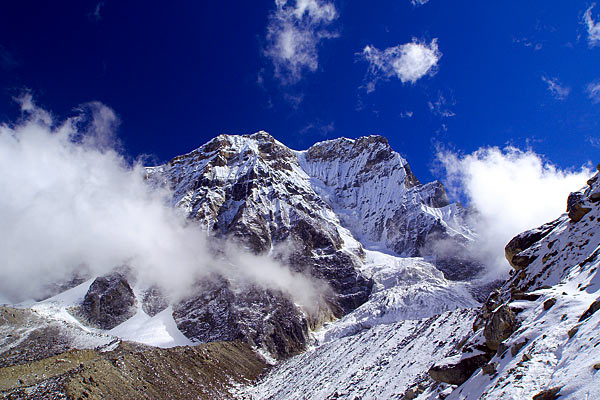
The origins of the Goechala trek can be traced back to the ancient trade routes that traversed the mountains. Historically significant, this area was part of the ancient Silk Route, facilitating trade between Tibet and India. The Sikkimese people revered the mountains, particularly Kanchenjunga, the third highest peak in the world, which holds spiritual significance in their culture. The trek's official recognition began in the 20th century when mountaineering gained popularity, and it became a favored route for adventure seekers drawn to its majestic panorama.
As trekkers move through the diverse landscapes, they are greeted not only by towering mountains but also by a unique architectural style that reflects the region's Buddhist heritage. The traditional Sikkimese monasteries, such as Buddhist monasteries in Yuksom, feature intricate woodwork and colorful murals depicting deities and local legends. The architecture is a harmonious blend of function and spirituality, designed to create a sense of peace and connection with nature.
The local culture is vibrant and deeply rooted in the traditions of the Lepcha and Bhutia communities. Festivals like Losar, the Tibetan New Year, are celebrated with much fervor, showcasing traditional dances, music, and rituals that honor local deities. The trek offers a glimpse into these customs, with trekkers often encountering local celebrations that highlight the region's rich tapestry of life.
When it comes to gastronomy, Sikkim offers a delightful array of flavors. Trekking through the region, you may encounter local delicacies such as momos (steamed dumplings) filled with vegetables or meat, and thukpa, a hearty noodle soup perfect for replenishing energy. The use of fermented foods, such as gundruk (fermented leafy greens), is also common, showcasing the locals' resourcefulness in preserving food. Don’t miss trying chaang, a traditional millet beer that adds a local flair to your culinary experience.
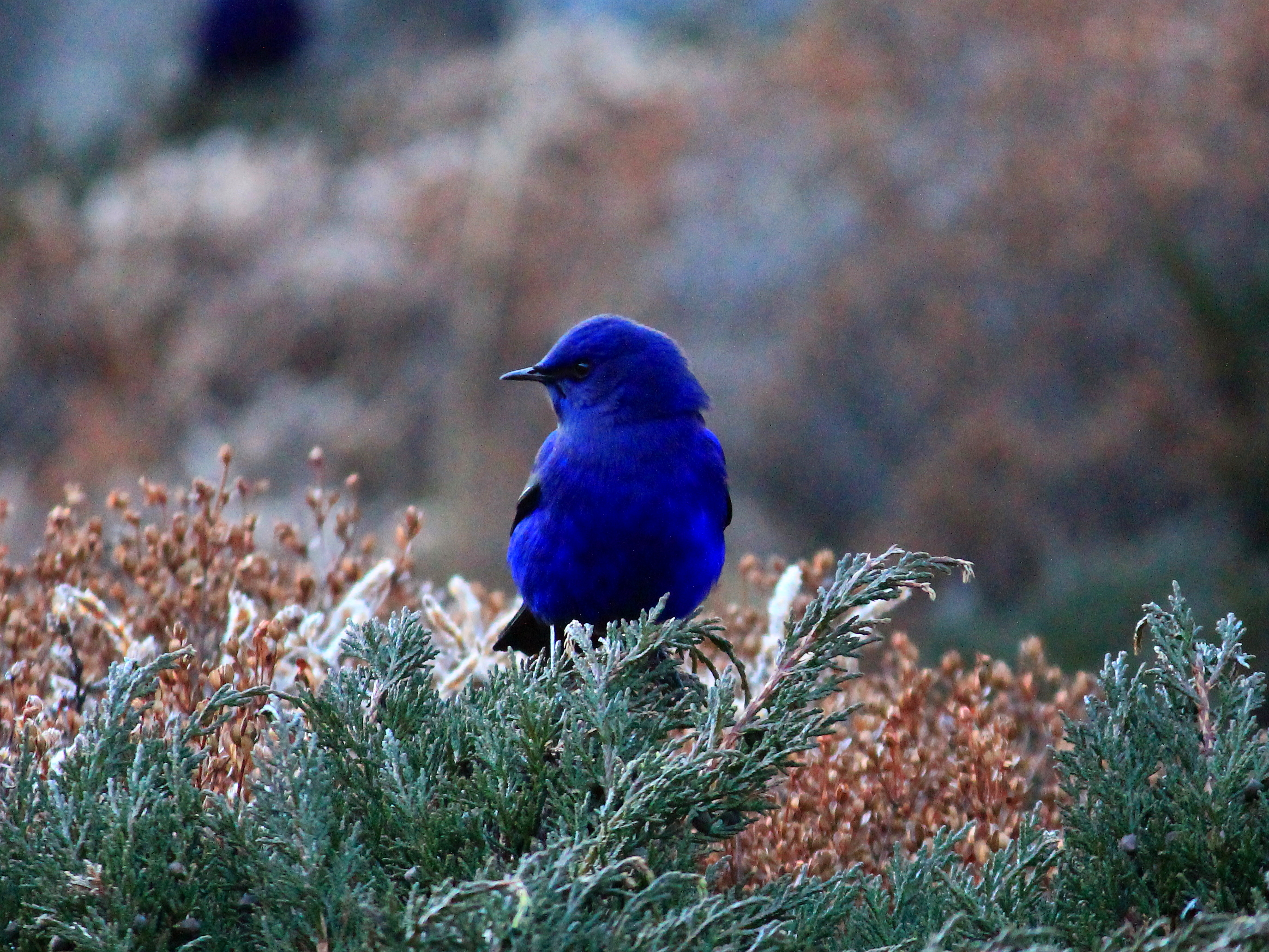
As you traverse the trails, you may stumble upon lesser-known curiosities that make the Goechala trek even more enchanting. One such detail is the Kanchendzonga National Park, a UNESCO World Heritage Site, which is home to diverse flora and fauna, including rare species like the red panda. Additionally, the area is rich in legends; the locals believe that the peaks are the abode of gods and that the spirits of ancestors guard the lands. These stories imbue the trek with a sense of mystique that adds to its allure.
For those planning a visit, the best time to embark on the Goechala trek is between March and June, or September to November. During these months, the weather is generally stable, offering clear skies and stunning views of the peaks. It’s advisable to prepare for varying temperatures, as conditions can change rapidly in the mountains. A good pair of trekking shoes, layered clothing, and sufficient water supplies are essential for the journey. Be sure to look out for the mesmerizing sunrise at Dzongri, where the first rays of sunlight illuminate the snow-capped mountains, creating a magical spectacle.
In summary, the Goechala trek is not just another adventure; it’s a journey through time, culture, and nature that captivates the heart of every traveler. With its rich history, vibrant traditions, and stunning landscapes, it’s no wonder that this trek is often regarded as one of the best in India. Planning your adventure can be seamless with the right resources. Consider using the Secret World app to craft a personalized itinerary that fits your travel aspirations.


