
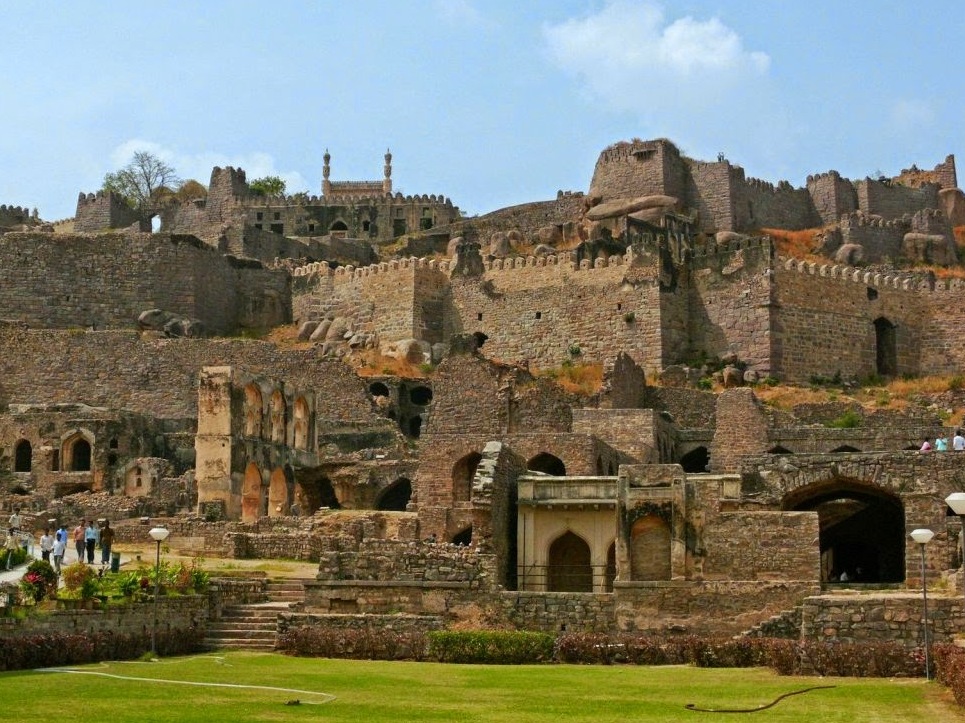

Perched majestically on the outskirts of Hyderabad, Golconda Fort is not just a historical monument but a testament to the architectural brilliance of ancient India. Its origins trace back to the 12th century, when it was founded by the Kakatiya Kings, who initially recognized its strategic importance. The name Golconda, derived from the Telugu words ‘Golla’ (Shepherd) and ‘Konda’ (Hill), encapsulates its rustic beginnings before it transformed under the reign of the Qutub Shahi dynasty into a formidable fortification that would become renowned for its wealth and grandeur.

The fort became a hub of diamond trade during its glory days, known for producing some of the world's most famous diamonds, including the Koh-i-Noor and the Hope Diamond. Throughout its history, Golconda Fort has witnessed numerous battles and sieges, particularly in 1687 when it fell to the Mughal Emperor Aurangzeb, marking the end of the Qutub Shahi dynasty.
Architecturally, Golconda Fort is a masterpiece of Deccan style, characterized by its massive stone walls, intricate gateways, and clever acoustic design. The fort boasts eight gates and 87 bastions, with the Fateh Darwaza (Victory Gate) being one of the most photographed. The sound and light show held in the evenings further illuminates the fort's rich history, narrating tales of bravery and betrayal.
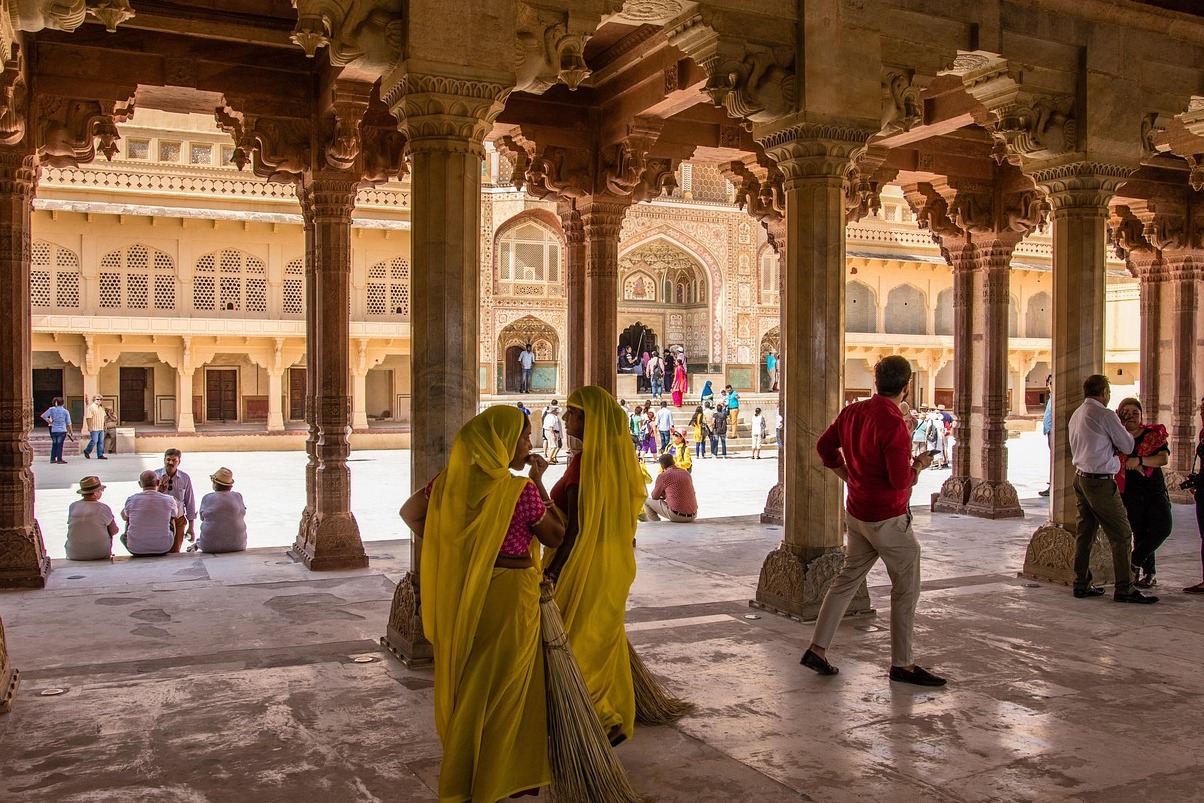
Among the fort’s notable features are the palaces with their exquisite vaulted ceilings, water supply system, and the baradari (pavilion) that offers stunning views of the surrounding landscape. Art enthusiasts will appreciate the intricate carvings and stonework that adorn various structures within the fort, showcasing the artistic legacy of the Qutub Shahi period.
Culturally, Golconda Fort holds a significant place in the hearts of the locals. The fort is not only a historical site but also a venue for various cultural festivals and events, such as the Golconda Festival, which celebrates the rich heritage of Hyderabad. This festival features traditional music, dance performances, and art exhibitions, providing an engaging glimpse into the Hyderabadi way of life.
When it comes to gastronomy, the region surrounding Golconda Fort is famous for its unique culinary offerings. Hyderabadi Biryani, a fragrant rice dish cooked with marinated meat and spices, is a must-try. Don't miss out on the Haleem, especially during the Ramadan season, which showcases the rich flavors and communal spirit of the city. Pair your meal with a refreshing glass of Chai or Lassi, both beloved local drinks.
For those looking to delve deeper into the history and culture of the area, there are lesser-known curiosities that add to the allure of Golconda Fort. The fort is home to a unique acoustic phenomenon; a clap at the base of the fort can be heard at the top of the hill, a clever architectural feature that was used as a means of communication. Additionally, many visitors may not know that the fort was once a refuge for the Qutub Shahi rulers during times of unrest, providing a fascinating backdrop to their reign.
The best time to visit Golconda Fort is between October and March, when the weather is pleasantly cool. It's advisable to wear comfortable shoes, as the fort's sprawling grounds require a fair amount of walking. Be sure to arrive early to explore the fort and enjoy the panoramic views of Hyderabad from the top. Don’t forget to bring your camera to capture the breathtaking beauty of the fort and its surroundings.
In conclusion, Golconda Fort is not just a relic of the past but a vibrant part of Hyderabad’s cultural fabric. Its rich history, stunning architecture, and culinary delights make it an essential stop for anyone visiting this enchanting city. To make the most of your trip to Hyderabad, consider using the Secret World app to tailor an itinerary that suits your interests and preferences.


