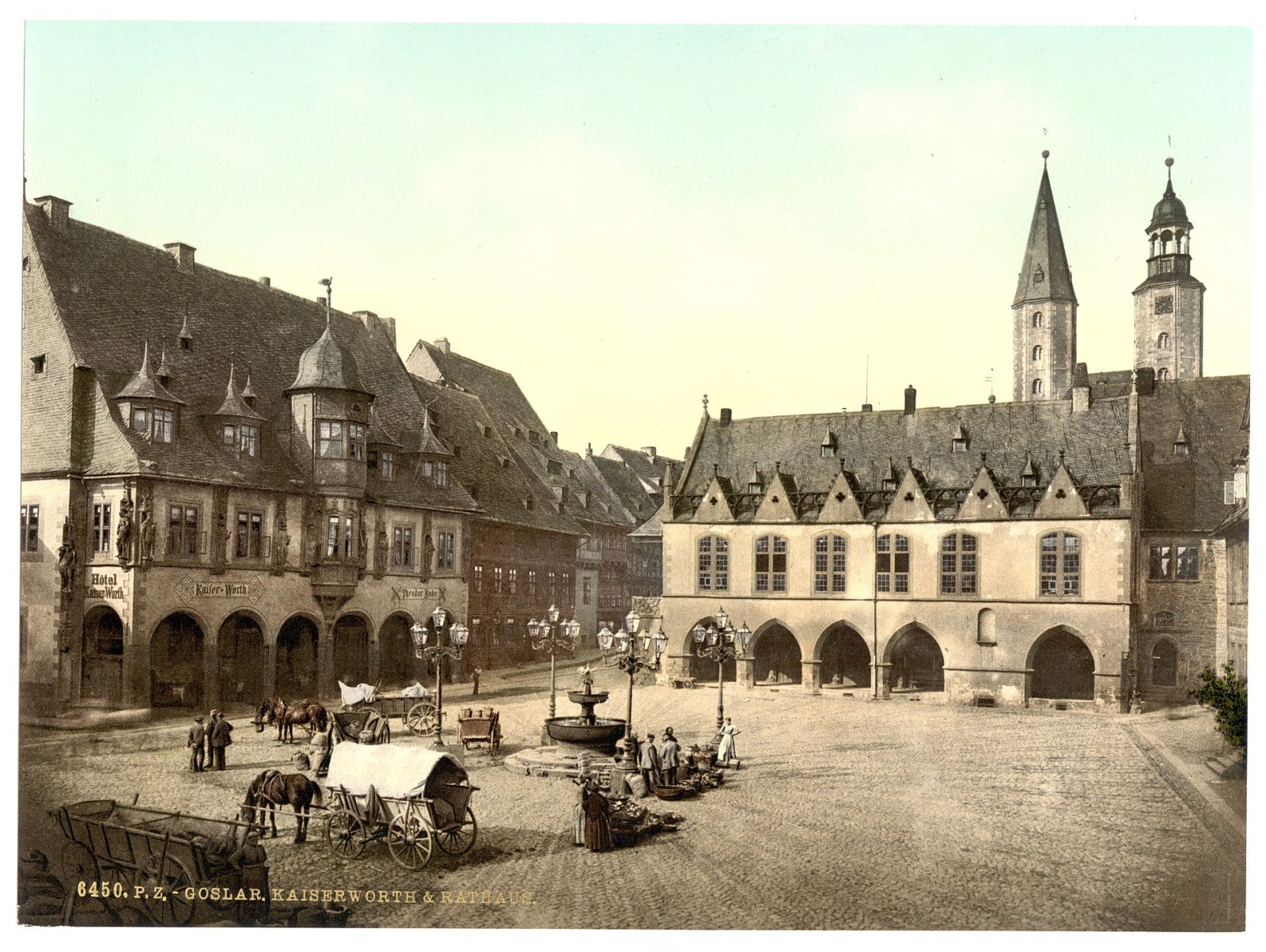

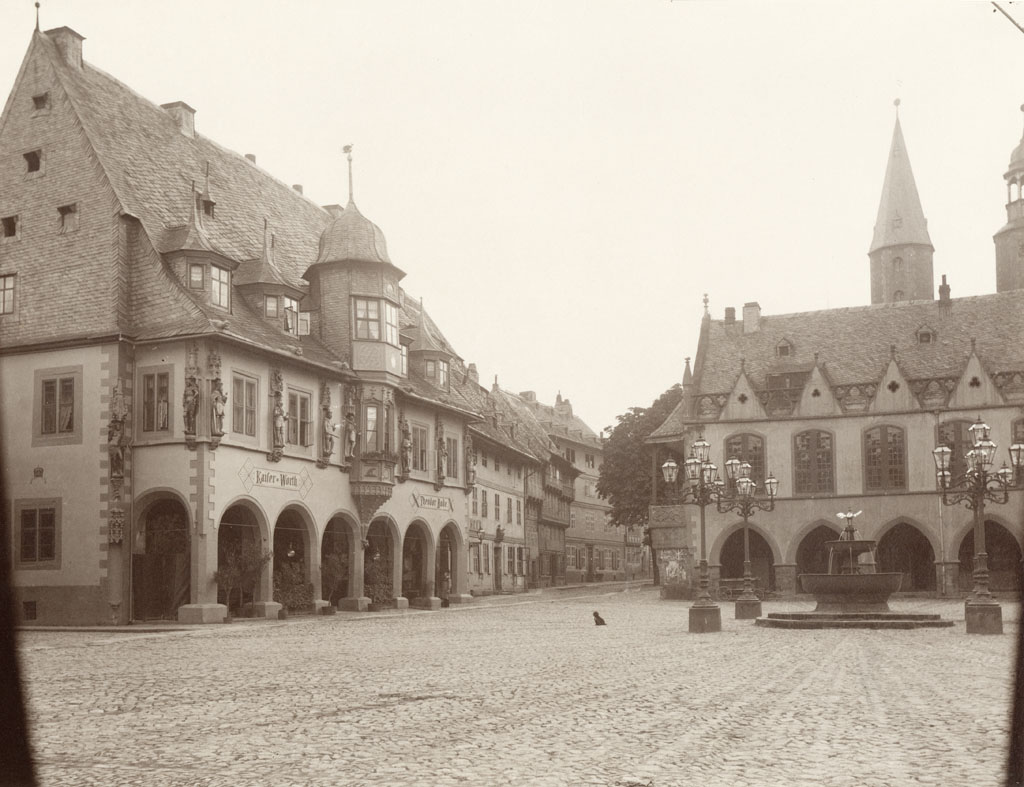
Goslar, a medieval town located in the Lower Saxony region, is a historical treasure that tells centuries of cultural and architectural evolution. Nestled at the foot of the Harz Mountains, this location is a landmark for those wishing to explore German history, away from the hustle and bustle of big cities. With a population of about 51,000 inhabitants, Goslar is much older than Berlin and offers a unique atmosphere, perfect for those seeking tranquility and natural beauty.
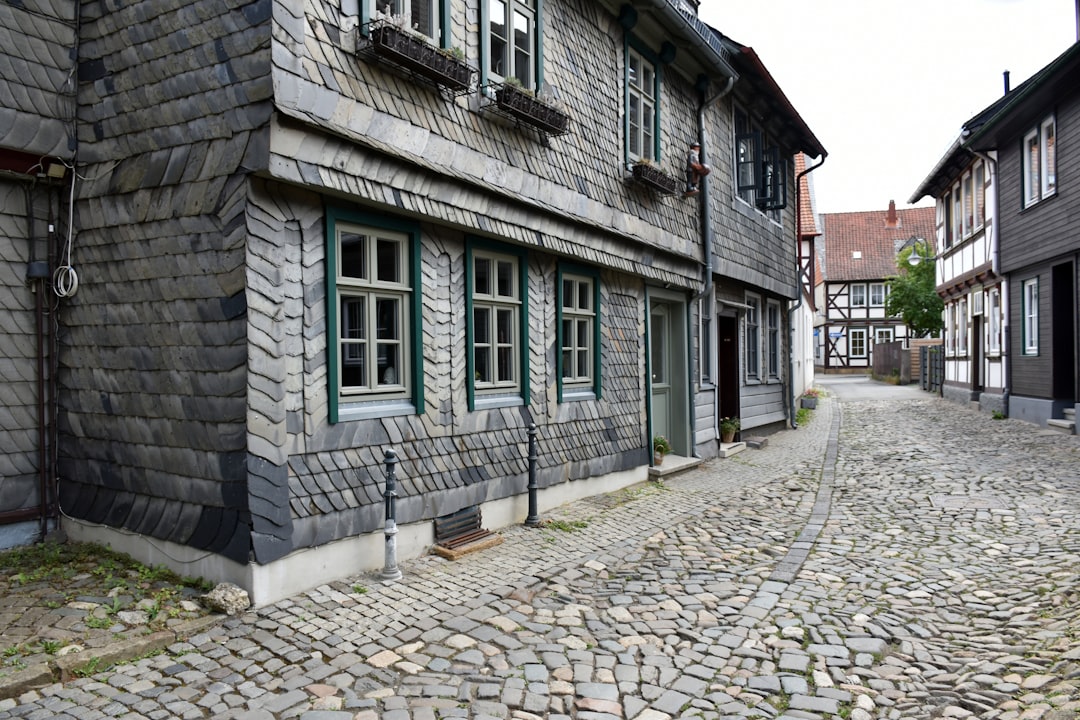
The town is known for its historic center, declared a UNESCO World Heritage Site, where cobblestone streets and half-timbered houses tell stories of a glorious past. Walking through its streets, one can feel the echo of bygone times while discovering hidden corners and monuments that reflect medieval art and architecture.
History and Origins
Goslar is one of the oldest cities in Germany, with origins dating back centuries. Its strategic location at the foot of the Harz Mountains made it an important center for trade and mining, particularly for copper and silver. The abundance of natural resources contributed to its prosperity, attracting merchants and artisans who contributed to the economic and cultural development of the region.
Over the centuries, Goslar also became an important political center, serving as a residence for emperors and nobles. The city hosted numerous significant historical events that shaped its character and identity. Today, traces of this rich history are visible in every corner, making Goslar a fascinating destination for history lovers.