
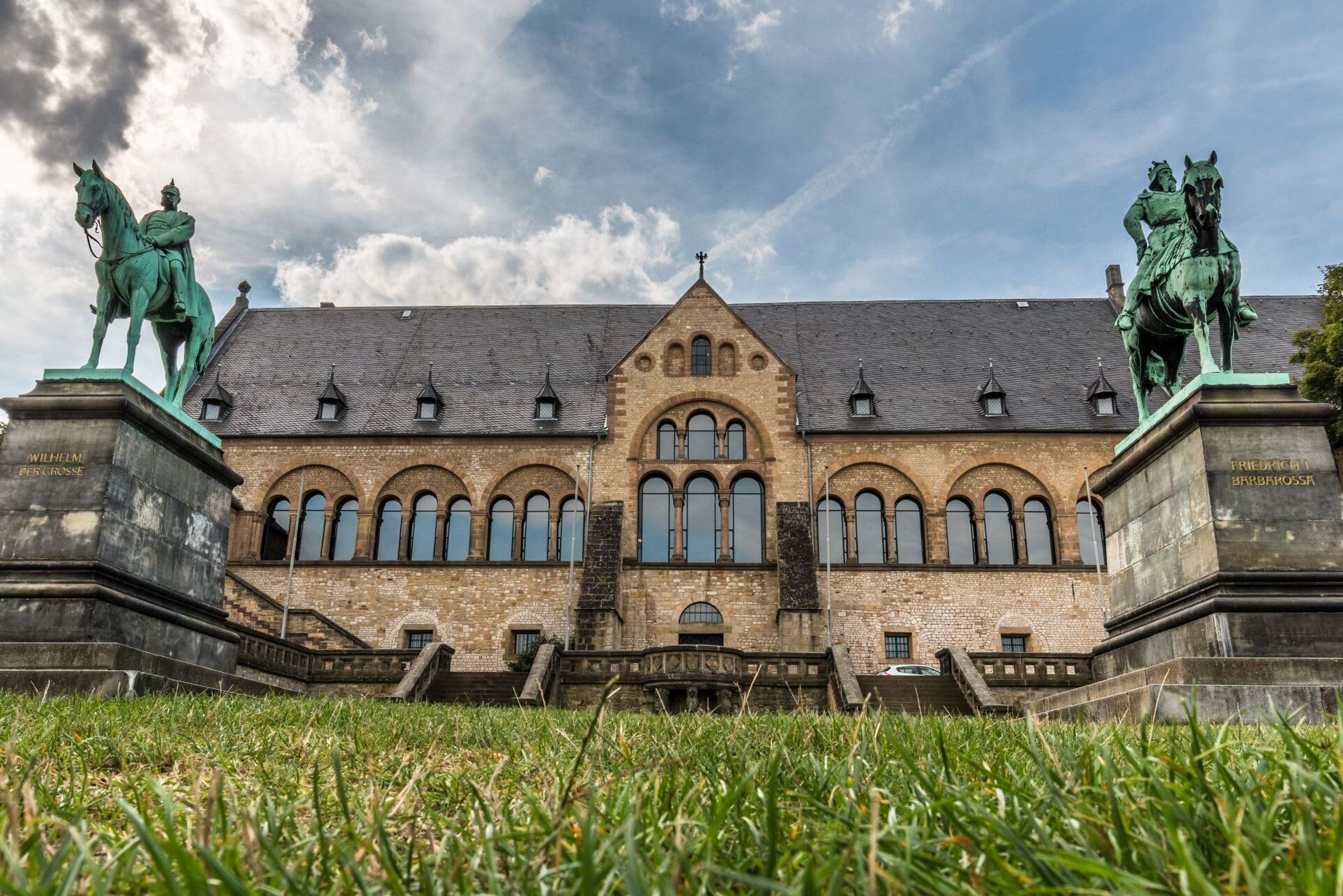

Nestled in the picturesque town of Goslar, the Kaiserpfalz Goslar stands as a monumental testament to the grandeur of the Holy Roman Empire. Constructed in the 11th century, this Imperial Palace served as a summer residence for emperors, reflecting their power and influence during a time when the empire was at its zenith. The palace is not only a remarkable example of medieval architecture but also a pivotal part of Germany's cultural heritage, earning its place as a UNESCO World Heritage site.
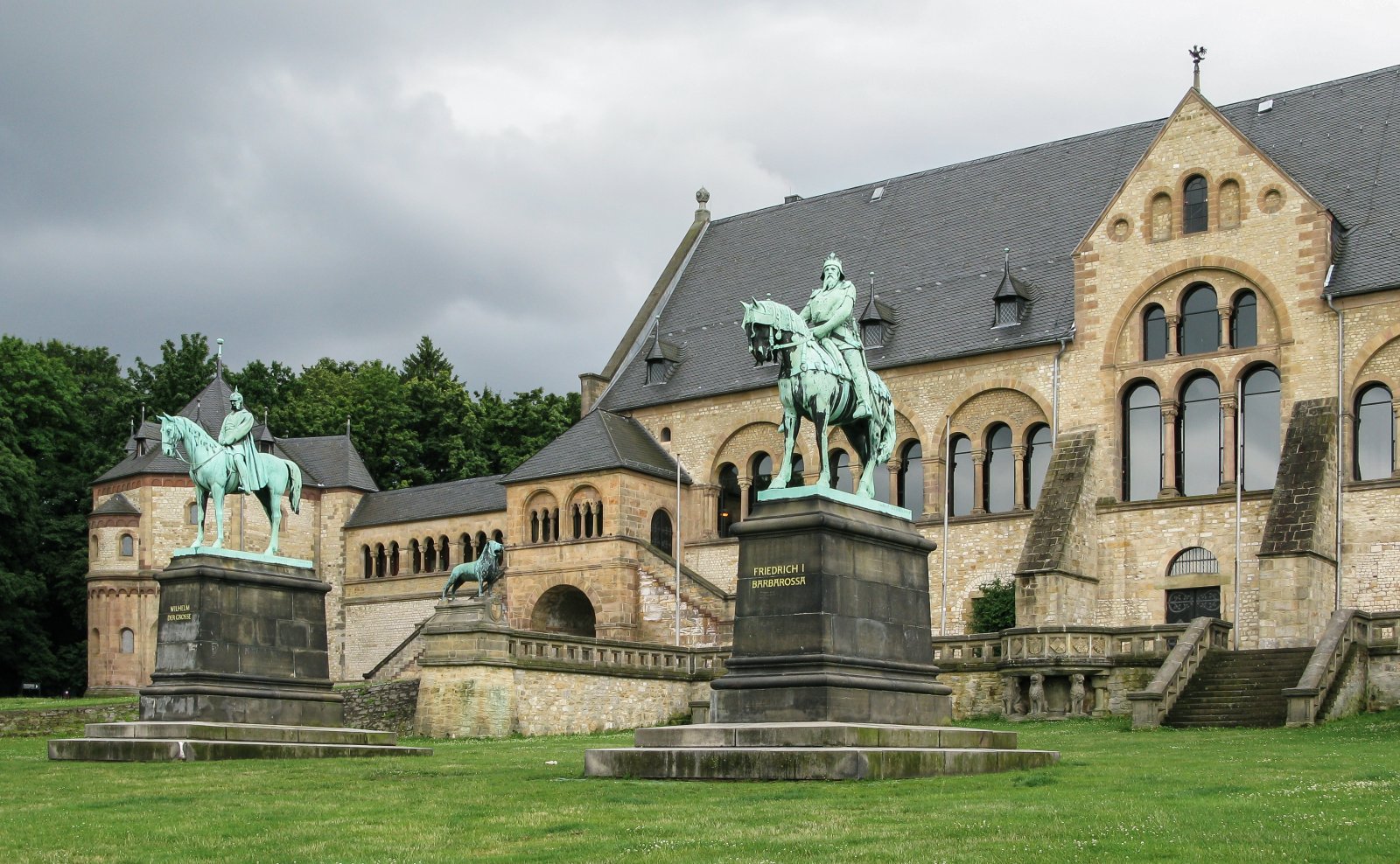
### History and Origins The Kaiserpfalz was commissioned by Emperor Heinrich II, who desired a regal retreat amidst the lush landscapes of the Harz Mountains. The palace’s construction began around 1005, and it was officially completed in 1020, becoming a favored meeting point for imperial diets and royal gatherings. Over the centuries, it witnessed pivotal events such as the Concordat of Worms in 1122, which was crucial in resolving the Investiture Controversy between the papacy and the empire.
By the 13th century, however, the significance of the palace waned, and it was largely abandoned. It fell into disrepair until restoration efforts began in the 1860s, breathing new life into this architectural marvel. Today, it stands fully restored, inviting visitors to explore its storied past.
### Art and Architecture The architectural style of the Kaiserpfalz is a stunning representation of Romanesque design, characterized by its massive stone walls, grand arches, and intricate detailing. The palace features a distinctive great hall, adorned with beautifully crafted wooden ceilings and decorated with frescoes that reflect the artistic influences of the time. Art historians often cite it as one of the best-preserved examples of 11th-century architecture in Germany, making it a critical study point for students of art history.
Among its notable artworks, the large wooden crucifix in the chapel is particularly significant, showcasing the artistry of medieval craftsmen. The combination of functionality and beauty in the palace’s design encapsulates the ethos of the Holy Roman Empire, where power and divine right were intimately intertwined.
### Local Culture and Traditions The town of Goslar itself is steeped in rich traditions, many of which are intertwined with the palace's history. Each year, the Goslar Christmas Market transforms the town into a winter wonderland, where locals come together to celebrate the season with traditional crafts, festive foods, and live music. This market, held in the shadow of the Kaiserpfalz, is a beloved event that attracts visitors from near and far.
Additionally, the local population takes pride in the Goslarer Zwiebelkuchen, a savory onion tart that is a staple during autumn festivities. The unique blend of ingredients and cooking techniques reflects the region’s agricultural heritage and communal spirit.
### Gastronomy Goslar’s culinary offerings are a delightful exploration of northern German cuisine. Visitors should not miss trying Harzer Käse, a local cheese known for its strong flavor and unique texture. Traditionally paired with onions and bread, it epitomizes the region’s rustic charm. Rinderroulade, or beef rolls, filled with onions, mustard, and pickles, is another local favorite that embodies the hearty fare typical of this area.
Washing down these delights with a glass of Goslar beer, brewed from locally sourced ingredients, provides a taste of the region's brewing traditions that date back centuries.
### Lesser-Known Curiosities Hidden within the palace grounds are remnants of ancient cathedral foundations, hinting at the site’s significance long before the Kaiserpfalz was erected. Moreover, visitors might be surprised to learn that the palace has served various roles throughout its history, including as a refuge for local residents during conflicts. The legend of the Goslar treasure, a collection of invaluable artifacts rumored to be hidden within the palace, adds an air of mystery and intrigue for history enthusiasts.
### Practical Visitor Information The best time to visit the Kaiserpfalz Goslar is during the late spring and early autumn months, when the weather is mild and conducive for exploration. Guided tours are available, offering deeper insights into the historical context and architectural features of the palace. Visitors should be sure to check out the great hall and the chapel, where the finest examples of 11th-century craftsmanship can be admired.
For an unforgettable experience, consider attending one of the local festivals if your visit coincides with them. Engaging with the community will enrich your understanding of the local culture.
In conclusion, the Kaiserpfalz Goslar is more than just a historical site; it is a vibrant representation of the intertwining of history, art, and culture in Germany. Whether you are a history buff, an architecture enthusiast, or a foodie, this remarkable palace has something to offer everyone. To explore Goslar and its hidden gems, consider using an app like Secret World to help craft your personalized itinerary.


