
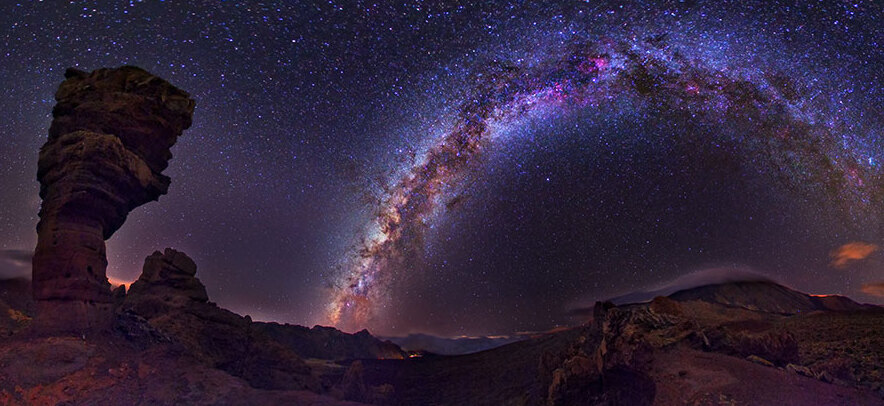

Nestled in the heart of the Canary Islands, Gran Canaria is a dazzling tapestry of natural beauty, rich history, and vibrant culture. Known as a miniature continent due to its diverse landscapes, this Spanish island is a paradise for both stargazers and history enthusiasts alike.

The history of Gran Canaria is as varied as its terrain. Originally inhabited by the Guanches, an indigenous people believed to have arrived from North Africa, the island was conquered by the Spanish in 1483. This conquest marked a significant turning point, ushering in a blend of cultures that shaped Gran Canaria’s unique identity. The capital, Las Palmas de Gran Canaria, was founded by Juan Rejón in 1478, making it one of the oldest cities in the Atlantic and a key stop on the trade routes during the Age of Exploration.
Art and architecture in Gran Canaria reflect its rich cultural tapestry. The island’s architectural landscape is a fascinating mix of colonial and traditional Canarian styles. Notable landmarks include the Cathedral of Santa Ana, a stunning example of Gothic and Neoclassical architecture, and the beautifully preserved Casa de Colón, a museum dedicated to Christopher Columbus, who is said to have stayed here during his voyages. Art lovers will find joy in the Atlantic Center of Modern Art (CAAM), which showcases contemporary works that resonate with the island’s cultural heritage.

Local culture and traditions are vibrantly alive in Gran Canaria, with festivals and customs that celebrate its diverse heritage. The Carnival of Las Palmas, a riot of colors, costumes, and music, is one of the most anticipated events, drawing visitors from around the world. Equally compelling is the Fiesta de la Rama in Agaete, rooted in ancient Guanche rituals, where participants dance through the streets with branches to invoke rain.
Gastronomy in Gran Canaria is a culinary journey reflective of its multicultural past. The island’s cuisine features a delightful blend of Spanish, African, and Latin American flavors. Must-try dishes include papas arrugadas (wrinkled potatoes) served with mojo sauce, and sancocho, a traditional fish stew. Don’t miss sampling the local cheeses, particularly the tangy queso de flor, and wash it all down with a glass of Ron Arehucas, a locally distilled rum.
For those seeking lesser-known curiosities, Gran Canaria offers a treasure trove of hidden gems. Did you know that the island is home to the Barranco de Guayadeque, a valley rich in archaeological sites, including cave dwellings still inhabited today? Or that Maspalomas boasts one of Europe’s rarest ecosystems with its desert-like sand dunes?
Practical visitor information is essential for making the most of your trip to Gran Canaria. The island enjoys a mild climate year-round, but the best time to visit is during the spring or fall when the weather is particularly pleasant and the tourist crowds are thinner. Be sure to explore beyond the well-trodden paths of the southern beach resorts; the northern part of the island, with its lush forests and charming villages like Teror and Arucas, offers a different but equally enchanting experience.
With the Secret World app, you can create a personalized itinerary that uncovers all of Gran Canaria's hidden wonders waiting to be explored.


