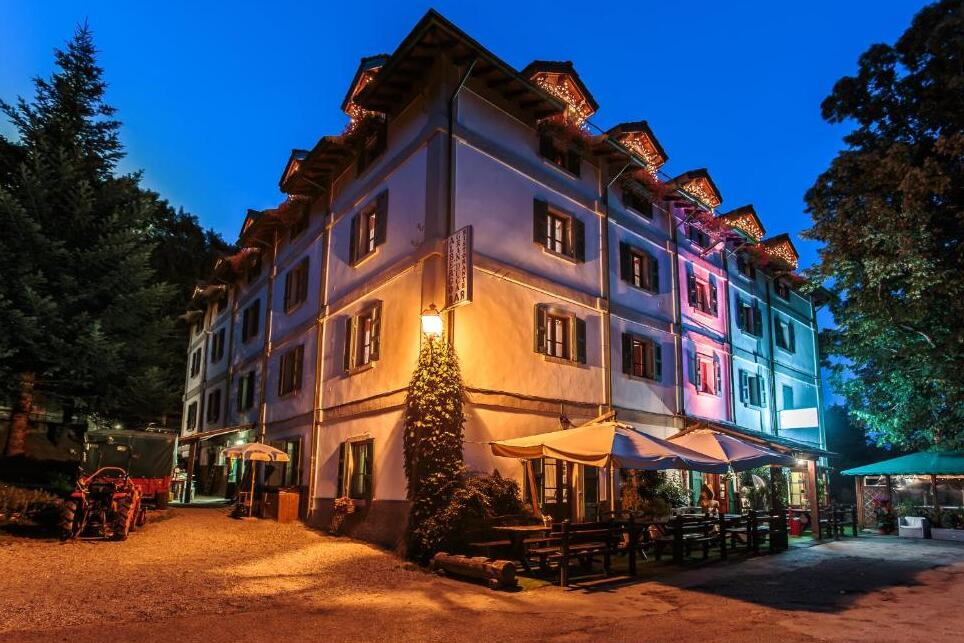

Nestled in the heart of the Casentino Forests, the Grand Ducal Palace in Campigna, Italy, is a fascinating blend of history, architecture, and natural beauty. Originally built in the 18th century as a hunting lodge for the Lorraine family, this grand structure has transformed into a luxurious hotel, inviting guests to immerse themselves in the rich tapestry of its past while enjoying the serene landscape that surrounds it.
### History and Origins
The origins of the Grand Ducal Palace date back to the reign of the Grand Dukes of Tuscany, particularly during the era of Duke Francesco II (1737-1765). This lodge served as a retreat for the nobility, where they would hunt and enjoy the natural bounty of the Campigna forest. The palace was not merely a residence but a symbol of power and leisure, reflecting the grandeur of the Lorraine dynasty.
In the last century, the palace transitioned from a royal hideaway to a more accessible locale. Its conversion into a hotel has allowed modern-day visitors to experience the elegance of the past, while the surrounding biogenetic nature reserve, recognized in 1976 by the Council of Europe, serves as a reminder of the area's ecological importance. The reserve aims to protect the rich biodiversity of the Apennine mountains, making it a vital sanctuary for various flora and fauna.
### Art and Architecture
Architecturally, the Grand Ducal Palace showcases a blend of Baroque and Neoclassical styles. Its striking façade, adorned with elegant columns and intricate stonework, reflects the artistic trends of its time. The interiors are equally impressive, featuring lavish rooms decorated with period furniture, magnificent chandeliers, and artwork that narrates the history of the Lorraine family.
Among the notable artworks within the palace are portraits of the Grand Dukes and various hunting scenes that celebrate the region's natural environment. These pieces not only enhance the aesthetic appeal of the palace but also serve as historical documents, encapsulating the lifestyle and customs of the nobility during the 18th and 19th centuries.
### Local Culture and Traditions
The culture of Campigna is steeped in traditions that reflect the region's agrarian roots and historical significance. Local customs are often celebrated through various festivals, most notably the Festa della Madonna della Neve, held in August. This vibrant event features processions, traditional music, and culinary delights, drawing both locals and visitors to celebrate the community's heritage.
Additionally, the surrounding areas are known for artisanal crafts, particularly woodworking and textile production. Visitors may find unique handmade goods at local markets, providing a tangible connection to the region's cultural legacy.
### Gastronomy
No visit to Campigna would be complete without indulging in its culinary offerings. The local cuisine is characterized by hearty, rustic dishes that showcase the natural ingredients found in the surrounding forests. Cinghiale (wild boar) is a local favorite, often served in a rich sauce alongside polenta. Another must-try dish is Tortelli della Garfagnana, a stuffed pasta typically filled with potatoes and dressed with a savory meat sauce.
For those with a sweet tooth, Castagnaccio, a chestnut flour cake, is a traditional dessert that reflects the area's agricultural bounty. Pair your meal with a glass of Chianti, a renowned red wine from the nearby vineyards, to complete your gastronomic experience.
### Lesser-known Curiosities
Amidst its grandeur, the Grand Ducal Palace harbors lesser-known stories that add to its charm. For instance, the palace grounds feature a remarkable columnar trunk of silver fir, a natural monument that highlights the forest's majestic heritage. This fallen tree, estimated to be centuries old, serves as a striking reminder of nature's resilience and the historical connection between the lodge and its surroundings.
Moreover, the naturalistic museum located within the command of the local forestry station offers an intriguing glimpse into the area's biodiversity and ecological significance. Open upon request, this museum showcases various exhibits that educate visitors about the unique flora and fauna of the Campigna forest, often overlooked in typical tourist itineraries.
### Practical Visitor Information
The best time to visit Campigna is during the spring and autumn months when the weather is mild, and the landscape is adorned with vibrant colors. Spring brings blooming wildflowers, while autumn showcases the breathtaking hues of falling leaves.
When planning your visit, consider booking a room in the Grand Ducal Palace Hotel to fully immerse yourself in the experience. Be sure to explore the surrounding nature trails, offering a chance to witness the stunning biodiversity of the biogenetic nature reserve.
For those interested in history, guided tours of the palace are available, providing insights into its architectural details and the lives of the Lorraine family.
As you plan your adventure to Campigna, consider using the Secret World app to create a personalized itinerary that highlights the best of this enchanting destination.
