



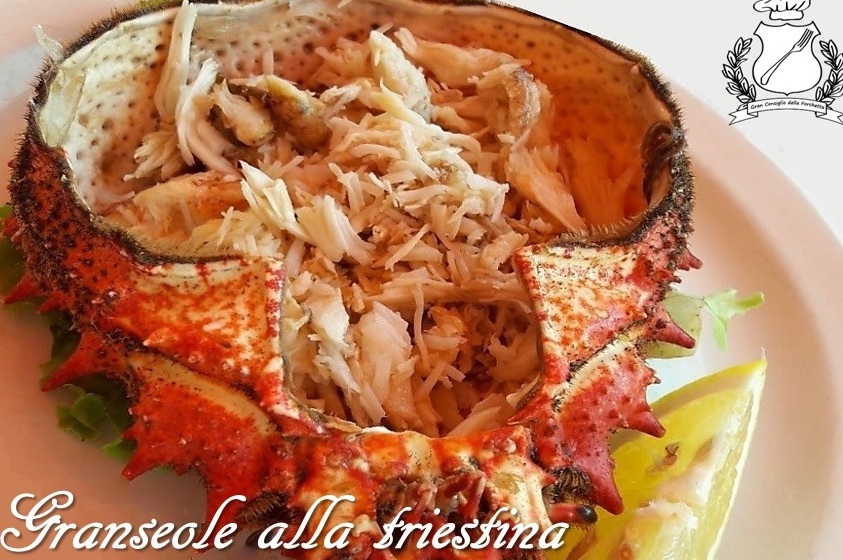
With its rich tapestry of cultures and a unique blend of Italian and Slavic influences, Trieste offers a culinary delight that captures the essence of its diverse heritage: Granzievola a la triestina. This exquisite dish not only tantalizes the taste buds but also tells the intriguing story of the region's history and traditions.
Nestled at the crossroads of Latin, Slavic, and Germanic worlds, Trieste boasts a history as complex as its gastronomy. The city itself became a part of the Roman Republic in 177 BC, serving as an important port and later flourishing as a free port under the Austro-Hungarian Empire. This strategic position and openness to various cultures are reflected in its eclectic array of local dishes, with Granzievola a la triestina standing out as a testament to Trieste's coastal and culinary connections.
The dish's origins can be traced back to the Istrian peninsula, a region historically intertwined with Trieste. Granzievola, or spider crab, is a local delicacy that highlights the abundant marine life of the Adriatic Sea. Traditionally, the crab meat is delicately seasoned with olive oil, lemon juice, salt, pepper, and parsley, then elegantly served inside its shell. This method not only preserves the flavor of the fresh crab but also pays homage to the age-old practices of utilizing every part of the catch, a nod to the resourcefulness of the region's fishermen.
Trieste's architectural landscape mirrors its diverse history, featuring a blend of neoclassical, Art Nouveau, and eclectic styles. The city is home to the majestic Piazza Unità d'Italia, the largest square facing the sea in Europe, surrounded by elegant Habsburg-era buildings. Not far from this iconic piazza lies the Castello di Miramare, a stunning 19th-century castle perched on the Gulf of Trieste. Its lush gardens and opulent interiors reflect the grand vision of Archduke Ferdinand Maximilian, who envisioned the castle as a romantic seaside retreat.
Cultural celebrations in Trieste are just as vibrant as its architecture. The city is renowned for the Barcolana Regatta, held every October, attracting thousands of sailing enthusiasts from around the world. This event is more than just a race; it's a celebration of Trieste's maritime heritage and a gathering of cultures. Another unique tradition is the San Nicolò, celebrated on December 6th, when children eagerly await gifts from Saint Nicholas, a custom that underscores the city's blend of Italian and Slavic traditions.
Trieste's gastronomy is a reflection of its multicultural tapestry. Beyond Granzievola a la triestina, the city serves up an array of dishes such as Jota, a hearty bean and sauerkraut soup, and Goulash, a flavorful stew that reveals its Austrian and Hungarian influences. For those with a sweet tooth, Presnitz, a spiral pastry filled with nuts and dried fruits, offers a delightful taste of local tradition. Pairing these meals with a glass of Terrano, a robust red wine from the nearby Carso region, completes the culinary experience.
While Trieste's main attractions draw many visitors, the city's lesser-known curiosities add depth to its character. One such gem is Caffè San Marco, a historic café that has been a meeting place for writers like James Joyce and Italo Svevo. This literary haven is not only a place to enjoy a rich espresso but also an opportunity to step back into the intellectual past of the city.
For those planning a visit, the best time to explore Trieste is in the spring or autumn when the weather is mild, and the city is alive with festivals. Navigating the city on foot allows visitors to stumble upon hidden alleys and quaint corners, each revealing a piece of Trieste's storied past. Don't miss the chance to take a leisurely walk along the Rive, the scenic waterfront promenade that offers stunning views of the Adriatic and the city skyline.
In the heart of Trieste, Granzievola a la triestina serves as more than just a meal; it's a flavorful journey through time, showcasing the city's rich maritime heritage and cultural fusion. This dish, alongside Trieste's captivating history and vibrant traditions, makes for an unforgettable travel experience, inviting travelers to savor the stories and flavors that define this unique Italian city.
