
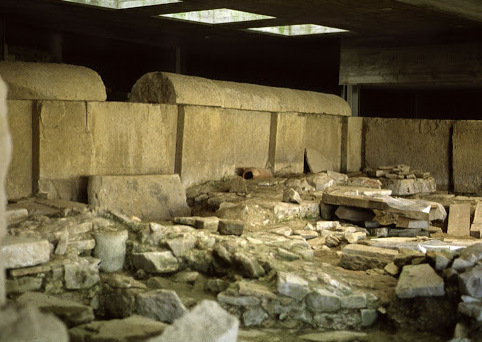

Nestled in the northeastern corner of Italy, Trieste is a city where the echoes of history resonate through its cobblestone streets and ancient ruins. One of its most intriguing sites is the Antiquarium of Via di Donota, a hidden gem that offers a glimpse into the city's rich Roman past.

The Antiquarium is the result of archaeological excavations conducted between 1980 and 1986 behind the Roman Theatre. Here, the remnants of a domus, or Roman house, dating back to the 1st century A.D., reveal the multifaceted life of Trieste’s ancient inhabitants. Remarkably, this domus was repurposed for funerary practices from the 2nd to the 6th century, showcasing how the space evolved over time.
Visitors are struck by the enclosure that once defined the burial area, marked by a balustrade made of limestone slabs. This thoughtful design served both functional and aesthetic purposes, guiding mourners to a prominent funerary monument that once stood proud along the ancient road, now replaced by the modern Via Donota. The site features a range of pit, box, and amphora tombs, with initial use primarily for children, which speaks to the poignant cultural practices surrounding death and remembrance in Roman society.

Inside the Antiquarium, a small room is dedicated to artifacts discovered during the excavation. These include everyday items that illuminate the lives of those who lived in and around Piazza Barbacan, near the arch of Richard, a structure that also dates back to the middle of the 1st century A.D. The collection invites contemplation on the rituals and customs of a civilization that thrived in this region, offering a tangible connection to the past.
The architectural style of the Antiquarium is reflective of its Roman heritage, characterized by simplicity and functionality. The use of local materials, such as limestone, not only provided structural integrity but also a sense of place deeply rooted in Trieste’s geological landscape. Notable artworks from the period, although largely absent in the Antiquarium, can be found throughout the city, including in the Museo civico di Storia ed Arte and the Cattedrale di San Giusto, which showcase the artistic prowess of the time.
Trieste's cultural landscape is vibrant, marked by a blend of Italian, Slavic, and Austro-Hungarian influences. Festivals throughout the year celebrate this rich tapestry—Barcolana, held every October, is a famous sailing regatta that draws thousands of participants and spectators to the Gulf of Trieste. The Trieste Coffee Festival, taking place each spring, pays homage to the city's historic coffee trade, where the aroma of roasted beans fills the air, inviting visitors to partake in tastings and workshops.
The local cuisine is a delightful reflection of its varied cultural influences. Traditional dishes such as frico (fried cheese with potatoes) and goulash reveal the Austrian influence, while sardoni (sardines) and risotto al nero di seppia (squid ink risotto) highlight the coastal location of Trieste. Pairing these dishes with a glass of Terrano, a local red wine, or a robust Espresso, which the city is renowned for, enhances the culinary experience.
For those intrigued by lesser-known stories, a visit to the Antiquarium might uncover the life of Eustachio, a local figure whose burial was discovered on-site. This individual, believed to have been a craftsman, represents the everyday life of ancient Trieste, reminding visitors that history is often woven from the lives of ordinary people. Additionally, the area around the Antiquarium is less frequented by tourists, allowing for a more intimate exploration of Trieste's depths.
The best time to visit the Antiquarium is in spring or early autumn, when the weather is mild, making it ideal for wandering through the archaeological site and surrounding areas. It is wise to combine a visit with a stroll through the nearby Roman Theatre and the historic heart of Trieste, soaking in the rich ambiance and stunning architecture.
To make the most of your journey, take note of the intricate details throughout the site, from the construction techniques of ancient tombs to the artifacts that speak of the daily lives once lived here. Engaging with the local guides can also provide deeper insights into the profound historical significance of this site.
As you plan your trip to explore Trieste's captivating history, consider using the Secret World app to craft a personalized itinerary that allows you to uncover the city's many treasures.


