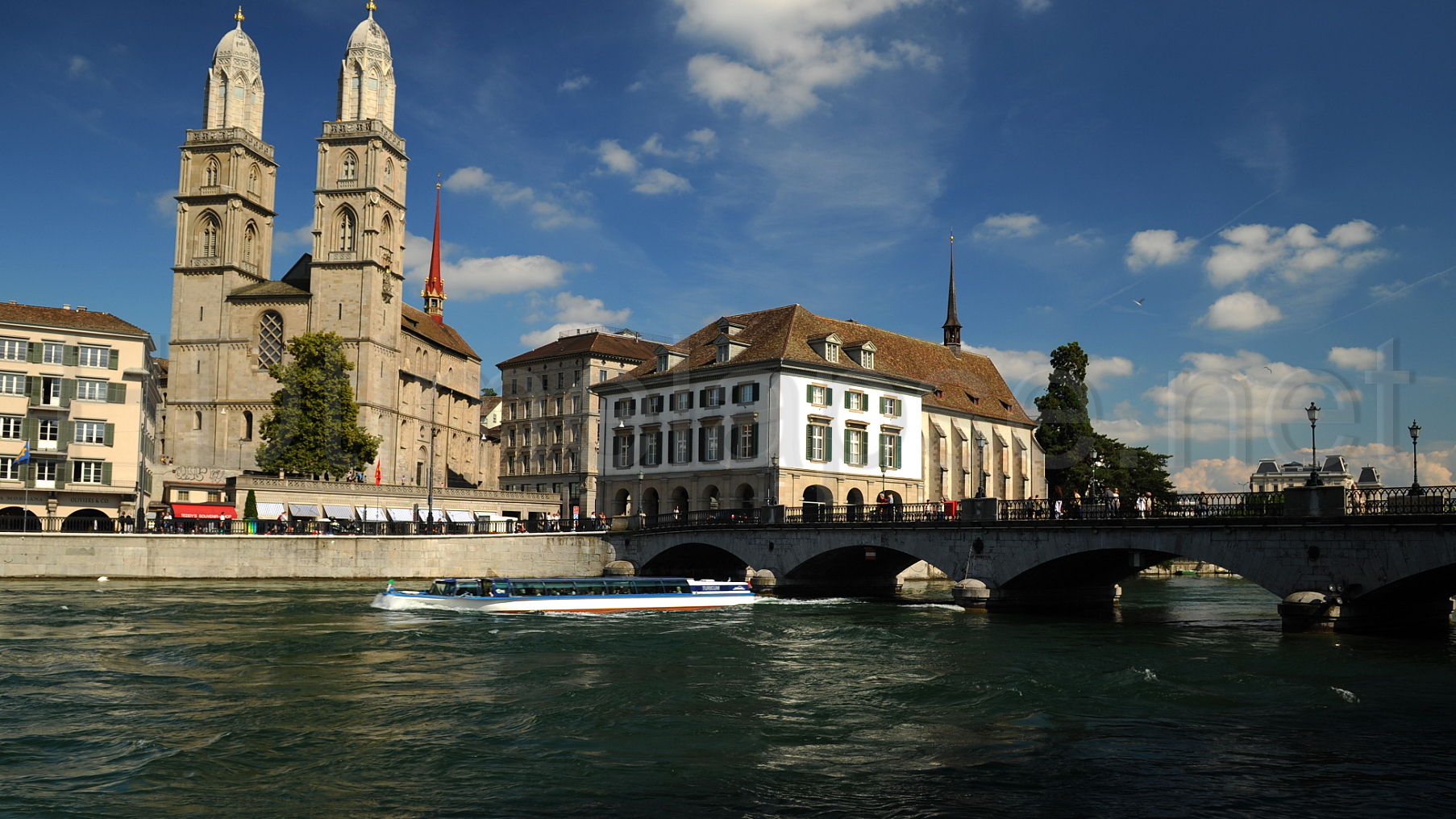

In the heart of Zürich, the Grossmünster stands as a testament to the city’s rich history and vibrant culture. This iconic church, with its twin towers piercing the skyline, is not just an architectural marvel but also a symbol of the city's spiritual heritage.
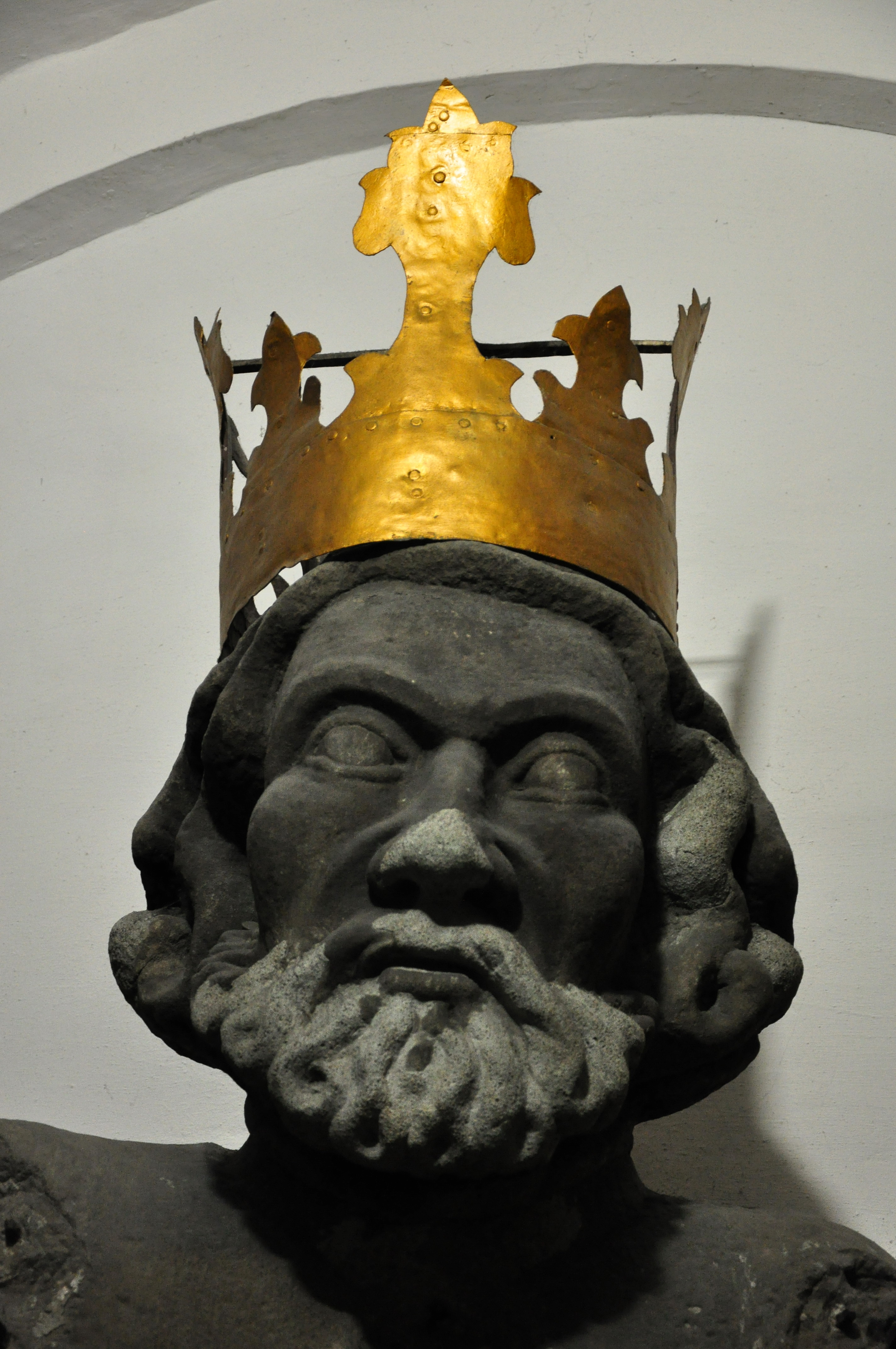
### History and Origins The roots of Grossmünster trace back to the 12th century, with legends intertwining its history with that of Charlemagne. According to local lore, Charlemagne commissioned the church after his horse knelt in reverence at the tombs of Felix and Regula, the patron saints of Zürich. This event laid the foundation for what would become one of the city's most significant religious sites.
As a pivotal institution during the Reformation, the Grossmünster transformed from a Catholic church to a Protestant stronghold under the influence of reformers like Huldrych Zwingli. Its architectural significance evolved with numerous renovations over the centuries, reflecting changing styles and religious sentiments.
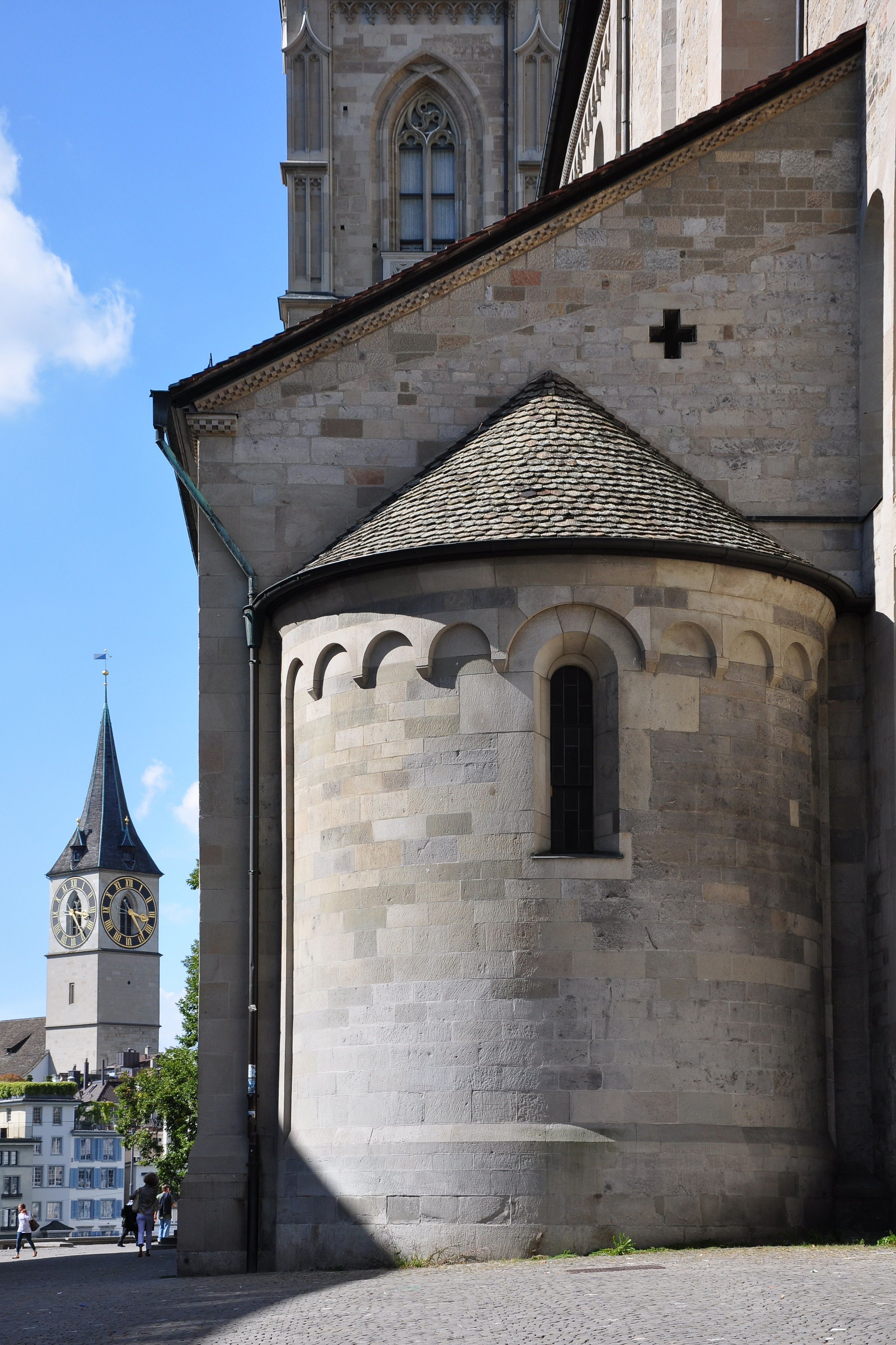
### Art and Architecture The architectural style of Grossmünster is predominantly Romanesque, characterized by its robust structure and simple forms. The twin towers, standing proudly at 87 meters, are often regarded as the most recognizable landmarks in Zürich. Visitors can climb the towers for a breathtaking panoramic view of the city and the shimmering Limmat River.
Inside, the church houses remarkable artistic treasures, including stunning stained glass windows designed by renowned artist Augusto Giacometti. His modern interpretations of biblical scenes add a contemporary flair to the historic setting. Additionally, the bronze doors crafted by Otto Munch showcase intricate reliefs that narrate the story of the church and its significance.
### Local Culture and Traditions The Grossmünster is not just a historical site; it is a living part of Zürich’s community. The church plays a central role in local customs and traditions, particularly during the annual Zürich Festival when the surrounding areas come alive with music, art, and performances. The church itself often hosts concerts and services that reflect the city's rich cultural tapestry.
Furthermore, the tradition of Easter services at the Grossmünster draws both locals and tourists alike, showcasing the church's role in contemporary spiritual life. The atmospheric interior, combined with the resonant sounds of choir music, creates a deeply moving experience.
### Gastronomy A visit to Zürich would be incomplete without indulging in its culinary delights. Near the Grossmünster, you can find charming cafés and restaurants offering local specialties. Be sure to try the Zürcher Geschnetzeltes, a creamy veal dish served with Rösti, a crispy potato side. Pair your meal with a glass of Swiss white wine or a refreshing Zürich-style beer.
For a sweet treat, explore nearby bakeries for Nusstorte, a nut-filled pastry that is a regional favorite. The combination of local food and the historical ambiance of the church creates a sensory experience that is quintessentially Zürich.
### Lesser-Known Curiosities While many visitors admire the grandeur of the Grossmünster, few know that the church is also home to a crypt where the remains of Felix and Regula rest. This space is a quiet sanctuary amidst the bustling city and offers a moment of reflection. Another hidden gem is the legendary fountain located nearby, said to be the site of Charlemagne’s encounter with the saints.
Additionally, the Grossmünster has been featured in various literary works and artistic pieces, symbolizing the enduring spirit of Zürich. Its presence in modern culture continues to inspire both artists and everyday citizens.
### Practical Visitor Information The best time to visit Grossmünster is during the spring and summer months when the weather is pleasant, and the surrounding gardens are in full bloom. Aim for early mornings or late afternoons to avoid crowds and fully appreciate the tranquility of the church.
Before your visit, check the Grossmünster website for information on guided tours and special events. Don’t forget to take a moment to sit in the church and absorb its historical significance.
In conclusion, the Grossmünster is not just a church; it is a monument that encapsulates the history, culture, and spirit of Zürich. To truly explore the depths of this enchanting city, consider using the Secret World app to tailor your personal itinerary.