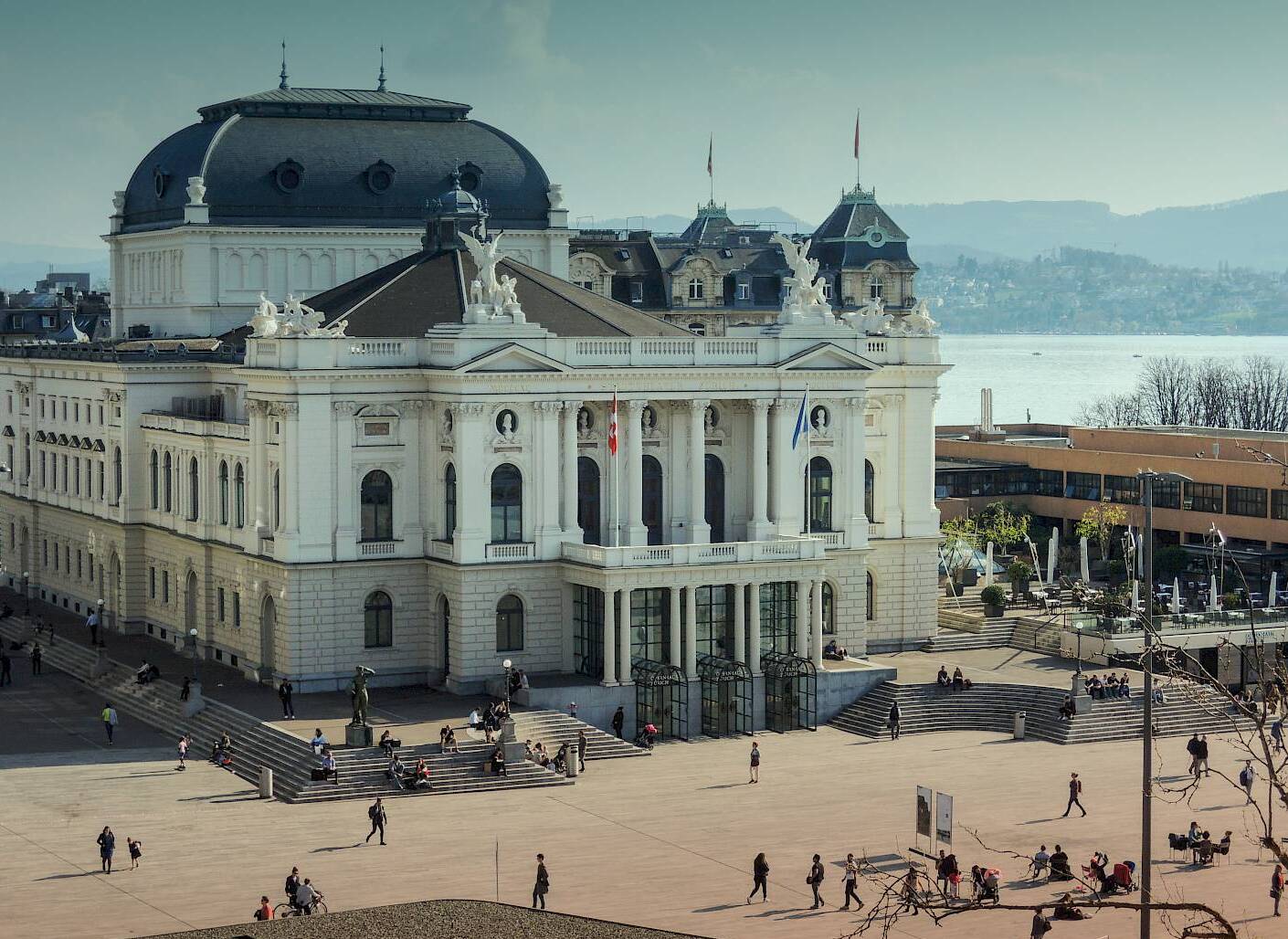

The Zurich Opera House is more than just a venue for stunning performances; it is a pivotal landmark in the rich tapestry of Swiss culture and history. Nestled at 47.366021, 8.5486737, this neoclassical structure has witnessed centuries of artistic evolution and remains a vibrant hub for opera enthusiasts and cultural aficionados alike.
### History and Origins The origins of the Zurich Opera House date back to the mid-19th century when the original theater was established in 1834. It was designed as a temporary venue, but its importance quickly became evident. The theater served as a refuge for composer Richard Wagner during his exile from Germany, where he premiered several of his significant works, including *Der fliegende Holländer*.
In 1891, the building we see today opened its doors, boasting a neoclassical design that reflects the artistic aspirations of its time. Over the years, it has hosted world premieres, including Antonín Dvořák's *Rusalka* in 1901 and Leoš Janáček’s *Káťa Kabanová* in 1921, solidifying its stature as a launching pad for innovative operatic works.
### Art and Architecture The architectural style of the Zurich Opera House is a harmonious blend of neoclassical and modern influences, featuring an impressive façade adorned with grand pillars and intricate sculptures. Inside, the lavish auditorium seats over 1,100 spectators, offering an intimate atmosphere that enhances the operatic experience.
A striking aspect of the opera house is the gallery of prominent busts that honor great composers such as Carl Maria von Weber, Wagner, and Mozart, as well as literary giants like Friedrich Schiller, William Shakespeare, and Johann Wolfgang von Goethe. These tributes serve as a reminder of the powerful interplay between music and literature, enriching the audience's appreciation of the performances.
### Local Culture and Traditions The Zurich Opera House is not only a venue but a vital part of the cultural fabric of Zurich. It plays host to various festivals and events throughout the year, including the Zurich Opera Festival, which attracts international talent and showcases a wide repertoire ranging from classic operas to contemporary works. The local custom of attending opera performances is steeped in tradition, with many Zürich residents viewing it as a cherished social activity.
Moreover, the opera house often collaborates with other artistic institutions, fostering a vibrant cultural community. This synergy is evident during events like the Long Night of the Museums, when the opera house opens its doors for free, welcoming visitors to explore its history and artistry.
### Gastronomy Culinary offerings at the Zurich Opera House are as sophisticated as the performances themselves. The opera house boasts a restaurant and bar that serve an array of Swiss and international delicacies. Visitors can indulge in traditional Swiss dishes such as fondue or raclette, paired with a glass of local wine or a refreshing Rivella, a popular Swiss soft drink. The pre-show dining experience is particularly delightful, making it an essential part of the overall opera experience.
### Lesser-known Curiosities While many tourists flock to the opera house for its performances, some hidden gems often go unnoticed. One fascinating detail is that the opera house has a unique art collection, featuring works by contemporary Swiss artists. Additionally, the original chandelier, which hung in the first theater, has been meticulously restored and remains a centerpiece of the auditorium.
Another intriguing story surrounds the opera house's underground passages, which were once used for secretive movements of performers and staff. These corridors, now mostly sealed, hint at the rich history of theatrical drama that has unfolded behind the scenes.
### Practical Visitor Information The best time to visit the Zurich Opera House is during the opera season, which typically runs from September to June. Booking tickets in advance is advisable, especially for popular performances. Guided tours are available, offering a behind-the-scenes glimpse into the workings of this cultural landmark.
When visiting, be sure to look out for the stunning ceiling fresco in the auditorium and the exquisite staircase leading to the upper levels. Both are architectural highlights that exemplify the beauty of the building.
For an enriching experience, consider combining your visit with a stroll along the picturesque shores of Lake Zurich, which offers stunning views of the opera house against the backdrop of the water.
As you plan your visit to this cultural oasis in Zurich, consider using the Secret World app to create a personalized itinerary that ensures you won't miss any of the city's hidden treasures.
