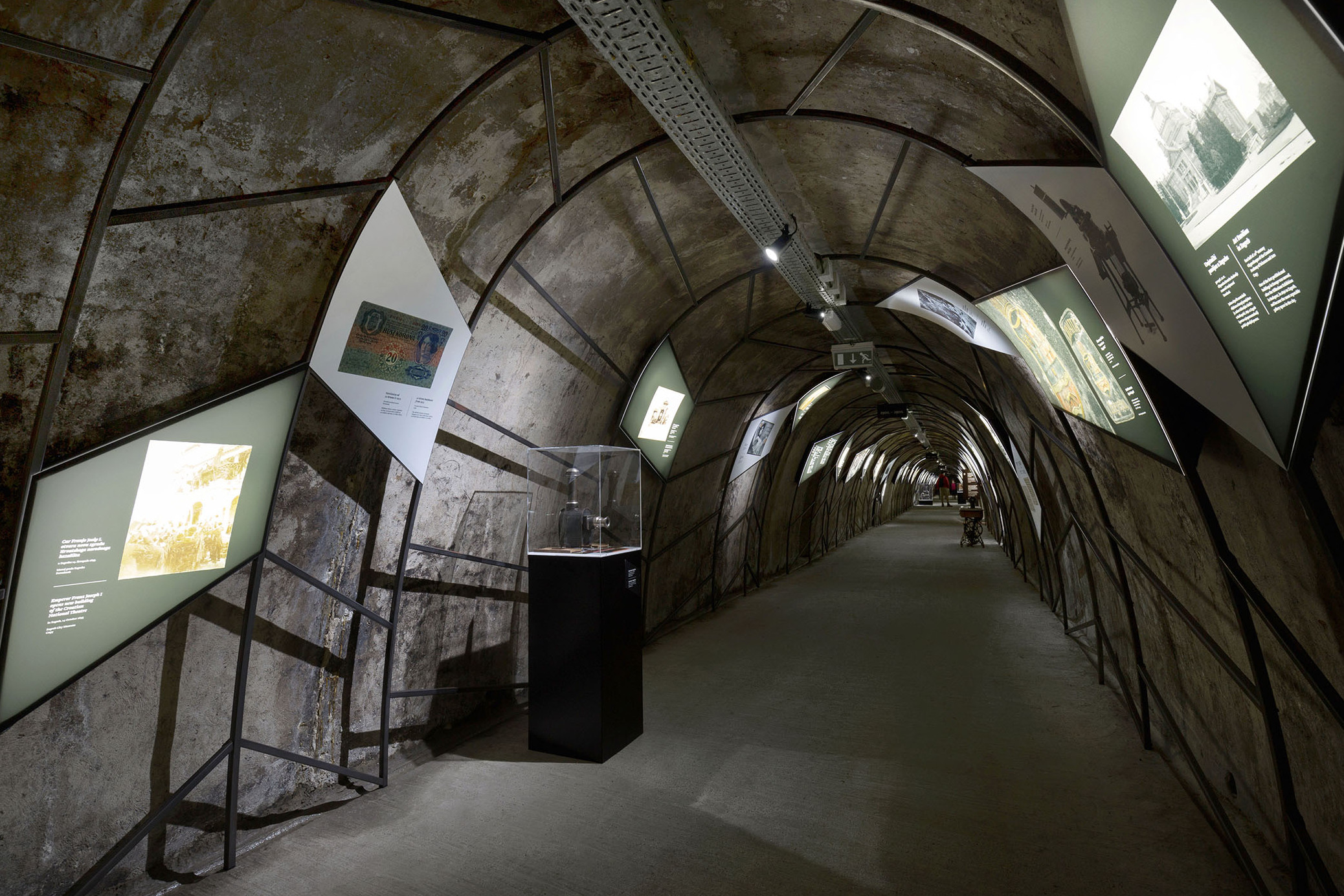

Beneath the bustling streets of Zagreb, a hidden world awaits those daring enough to descend into the Grič Tunnel. This remarkable subterranean passage, part of the larger and enigmatic tunnel network beneath the city, tells a tale of resilience, history, and urban mystery.
### History and Origins
The Grič Tunnel was constructed in 1943 during the harrowing years of World War II. Designed to provide shelter for civilians amidst the devastation of bombings, it served as a refuge during one of Croatia's darkest periods. The tunnel connects to a broader network of tunnels that weave under Zagreb's Upper Town and were reportedly used for various purposes over the years, including protection during the Croatian War of Independence in the 1990s.
Many locals believe the tunnels date back even further, with roots tracing back to the Middle Ages, when they may have been used for defense against invaders. Legends whisper of secret passages that allowed for covert movement throughout the city, especially during times of turmoil. The 1880 earthquake, which caused significant structural damage in Zagreb, is said to have altered many of these ancient tunnels, burying treasures and historical artifacts beneath the city’s surface.
### Art and Architecture
Architecturally, the Grič Tunnel is a feat of wartime engineering. Constructed with simple yet robust materials, its walls are lined with concrete and bricks, giving it a utilitarian aesthetic. As you walk through, dimly lit sections reveal intriguing graffiti and remnants of its past, providing a stark contrast to the city's vibrant surface.
Artistic significance blooms within the tunnel as it now hosts temporary exhibitions and cultural events, transforming the once-practical space into a canvas for local artists. Visitors can explore installations that reflect Zagreb’s rich history, showcasing everything from World War II memorabilia to contemporary art pieces that provoke thought about the city’s past and present.
### Local Culture and Traditions
Zagreb is a city where tradition meets modernity, and the Grič Tunnel embodies this spirit. The tunnel has become a cultural hotspot, often hosting events that celebrate local customs, such as the annual Advent in Zagreb, where festive lights and markets bring the city to life during the winter months.
The tunnel’s connection to local folklore is palpable, with tales of hidden treasures and ghost stories that continue to enchant residents and visitors alike. These narratives contribute to a vibrant tapestry of cultural identity, making the Grič Tunnel a living part of Zagreb's heritage.
### Gastronomy
No visit to Zagreb would be complete without indulging in its culinary delights. While the Grič Tunnel itself does not offer dining options, nearby eateries celebrate traditional Croatian cuisine. Don’t miss trying štrukli, a delicious pastry filled with cheese, often served baked or boiled, and kulen, a spicy sausage that is a staple of Slavonian cuisine.
Pair your meal with a glass of Slavonian wine or a local craft beer, both of which reflect the rich agricultural heritage of the region. The nearby Dolac Market, just a short walk from the tunnel, is an excellent place to sample local produce and artisan foods, allowing visitors to immerse themselves in Zagreb’s gastronomic culture.
### Lesser-Known Curiosities
The Grič Tunnel is not just a historical site; it is steeped in intrigue and mystery. One lesser-known fact is that it was once rumored to be a hiding place for partisans during the war, allowing them to navigate the city undetected.
Moreover, stories of the 1880 earthquake claim that many of the tunnels were lost in the rubble, including treasures believed to belong to the St. Mark’s Church. Local lore suggests that some of the gold and artifacts may still lie hidden beneath the streets of Zagreb, waiting to be discovered.
Visitors might also notice the tunnel entrances marked with the Zagreb coat of arms. One can find a secret door under the castle, symbolizing the mysterious and hidden network of tunnels that crisscross the city, beckoning adventurers to unveil their secrets.
### Practical Visitor Information
The best time to visit the Grič Tunnel is during the warmer months when the weather in Zagreb is pleasant, making it easier to explore the city above ground before descending into the cool, shaded depths below. Guided tours are available, often providing deeper insights into the tunnel's history and its place in the larger context of Zagreb's development.
Be sure to wear comfortable shoes, as the ground can be uneven and slightly damp in places. Keep an eye out for informative plaques along the walls that detail the tunnel’s history and its transformations over the years.
For those looking to enrich their experience, consider downloading the Secret World app to plan a personalized AI itinerary that will guide you through the hidden gems of Zagreb.
