
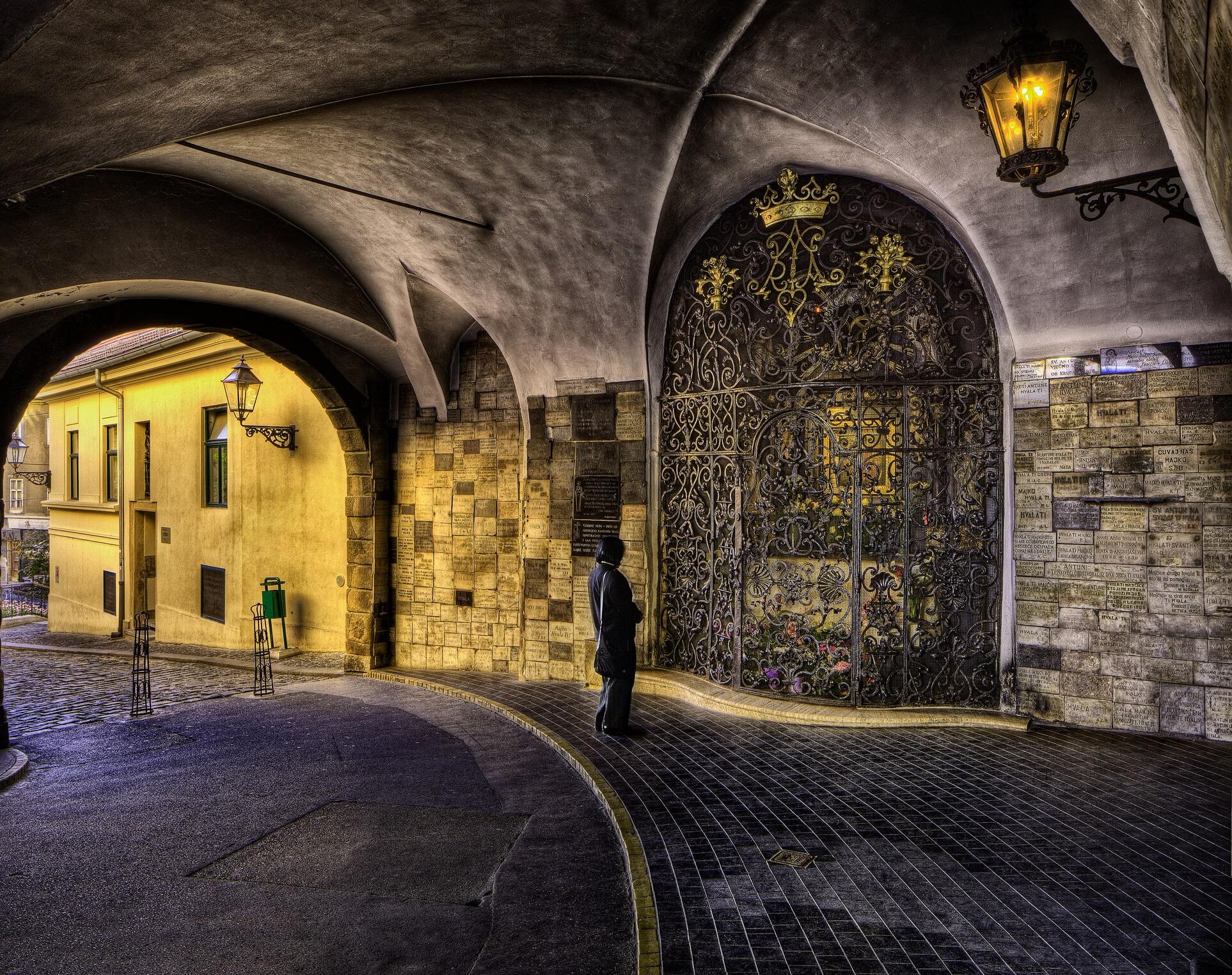

As you wander through the charming streets of Zagreb, a hidden gem emerges: the Stone Gate. This remarkable structure not only serves as the sole remaining gate of the city but stands as a poignant reminder of its rich history and spiritual significance.
History and Origins
The Stone Gate, known as Kamenita Vrata in Croatian, dates back to the 13th century when it was constructed as one of the four main entrances to the medieval town of Gradec, the precursor to modern Zagreb. This fortified gate played a crucial role in the city’s defense and witnessed many significant historical events, including the turmoil of the 17th century, when a devastating fire swept through the area.
Intriguingly, the Stone Gate is not just a relic of the past; it has become a symbol of resilience. During that fire, a wooden painting of the Mother of God miraculously survived, leading to the gate’s transformation into a shrine. This painting, now housed within the gate, is revered by locals and visitors alike, embodying the protective spirit of the city.
Art and Architecture
Architecturally, the Stone Gate exemplifies the Gothic style, characterized by its pointed arches and intricate details. However, the gate has undergone several renovations over the centuries, blending elements of the Baroque style, particularly visible in the ornate ironwork that surrounds the shrine.
Inside the gate, visitors are greeted by a tranquil atmosphere, enhanced by the soft glow of candlelight. The walls are adorned with engraved stone slabs, each telling a story of gratitude from the faithful. The phrase “Hvala Ti” (Thank You) appears frequently, reflecting the deep appreciation locals have for the Mother of God and her protective influence.
Local Culture and Traditions
The Stone Gate remains a vital part of Zagreb’s cultural landscape. It serves as a pilgrimage site for locals and tourists seeking solace and spiritual connection. Each year, on May 31, the feast of the Visitation of the Blessed Virgin Mary is celebrated with a special mass at the gate, drawing crowds who come to pay their respects.
In addition to its religious significance, the Stone Gate is often a backdrop for local artists and musicians, enriching the cultural fabric of the area. Street performers and craft vendors often gather nearby, creating a lively atmosphere that attracts visitors from all walks of life.
Gastronomy
While visiting the Stone Gate, indulge in the local gastronomy that Zagreb has to offer. Just a short stroll away, you can find quaint cafés and bakeries serving traditional Croatian treats. Be sure to try “štrukli,” a beloved dish made of dough filled with cheese, often baked or boiled, which locals enjoy as a comforting snack.
Pair your meal with a glass of Slavonian wine, particularly Grasevina, a crisp white wine that complements the region’s flavors. For dessert, don’t miss out on “kremšnita,” a creamy custard slice that has become synonymous with Croatian pastries. These culinary delights enhance the experience of exploring the historical depths of the Stone Gate.
Lesser-known Curiosities
One of the lesser-known facts about the Stone Gate is its role in the local belief system. It is said that lighting a candle at the shrine brings good luck and protection, and many locals maintain a tradition of visiting the gate during important life events, such as weddings or the birth of a child.
Interestingly, the Stone Gate is also home to a unique story involving a famous Croatian poet, Vladimir Nazor, who would often visit the site for inspiration. His connection to the gate reflects the deep ties between the local culture and this historic landmark.
Practical Visitor Information
The Stone Gate is easily accessible, nestled in the heart of Zagreb, bridging the Upper and Lower Towns. The best time to visit is during the early morning or late afternoon when the light casts a magical glow through the archway, creating a peaceful ambiance.
While there, take time to engage with the engravings on the stone slabs and observe the locals as they light candles in reverence. It’s a moment of reflection that adds depth to your experience.
For those planning a visit, consider exploring nearby attractions such as St. Mark’s Church and the vibrant Dolac Market, where you can immerse yourself in the local lifestyle.
As you explore the enchanting Stone Gate and its surroundings, you’ll find that each visit reveals a new layer of history and culture. To fully experience all that Zagreb has to offer, consider using the Secret World app to create a personalized AI itinerary tailored to your interests.


