Trip.Planner
En · Travel Guide
Travel Guide · 2026 Edition

10 Best Day Trips from Lisbon — by train, car, and boat

Where to go, how to get there, and what nobody tells you before you leave

L
Words by
Lena Hofmann
Updated
12 September 2026
Read time
13 minutes
Includes
10 places · interactive map
10 Best Day Trips from Lisbon — by train, car, and boat
Lisbon is a city that will eat your days if you let it. The trams, the miradouros, the pastéis de nata cooling on a zinc counter — there is always a reason to stay put. But staying put is also a trap. The city is positioned at the edge of a country that compresses an extraordinary range of landscapes, coastlines, and history into a relatively small geography. Within two hours of Lisbon's Oriente or Santa Apolónia stations, or behind the wheel on the A2 heading south, you can reach Atlantic cliffs that feel like the edge of the known world, a granite fortress sitting alone on an island that most tourists have never heard of, or a beach so wild and unsignposted that you'll wonder if you've taken a wrong turn.

A good day trip from Lisbon earns its travel time. That means it has to offer something the city doesn't — scale, silence, a different relationship with the sea, or a different century. It also has to be honest about logistics. The train to Setúbal is fast and cheap and drops you close to the waterfront. The road to Cabo da Roca is narrow and the car park fills by ten in the morning. The ferry to Berlenga Island runs on a schedule that the Atlantic weather can cancel without apology.

I've done all ten of these trips more than once, by different means, in different seasons. What follows is what I actually know: the departure times that work, the parking situations that don't, the moments in the day when a place belongs to you and the moments when it doesn't. Use this as a working document, not a brochure.

At a glance

  1. Setubal: la città che divide — a port that refuses to perform
  2. Nazaré, il surf e the Big Mama — where the ocean makes its case loudest
  3. Azenhas do Mar: an astonishingly beautiful hillside town — perched where the land gives up
  4. Cabo da Roca: La Fine del Mondo in Portogallo — the westernmost point of continental Europe
  5. Colares | The lighthouse of Cabo da Roca — a village in the shadow of the cape
  6. Rota Vicentina, il trekking più bello del Portogallo — where the coast becomes something else
  7. This beautiful and rugged Alentejan beach — north of Porto Covo, south of the tourist radar
  8. Forte de São João Baptista — a 17th-century fortress on a granite island
  9. The Berlenga Island — a nature reserve that takes some effort to reach
  10. Come pianificare Setúbal con AI 2026: Guida Completa — the estuary that rewards a slower approach
1 Historic site / Working port · 30.7 km

Setubal: la città che divide — a port that refuses to perform

Setubal: la città che divide — a port that refuses to perform
Setúbal sits about 31 kilometres south of Lisbon and the Fertagus train from Roma-Areeiro or Entrecampos gets you there in roughly 50 minutes, with connections at Palmela or Setúbal station. The fare is modest and the journey crosses the Tagus valley in a way that already signals you are leaving the metropolitan bubble behind. What you arrive at is a working port city that has never bothered to tidy itself up for visitors, and that is precisely what makes it interesting. The fish market near the waterfront operates on its own timeline, the Forte de São Filipe looms on a hill above the city with views over the Sado estuary, and the old town preserves a texture of daily life that Lisbon's more touristic quarters have largely surrendered.

On arrival, walk the Avenida Luísa Todi along the waterfront, climb to the Forte de São Filipe for the estuary panorama, visit the Igreja de Jesus — one of Portugal's earliest Manueline buildings — and spend time in the municipal market. Setúbal divides opinion because it is not conventionally pretty. That is an argument for going, not against it.
Insider tip The 07:45 Fertagus from Roma-Areeiro gives you the whole morning before day-trippers from Lisbon arrive. Return trains run frequently until late evening, so there is no pressure to leave early.
2 Coastal town / Surf destination · 97.9 km

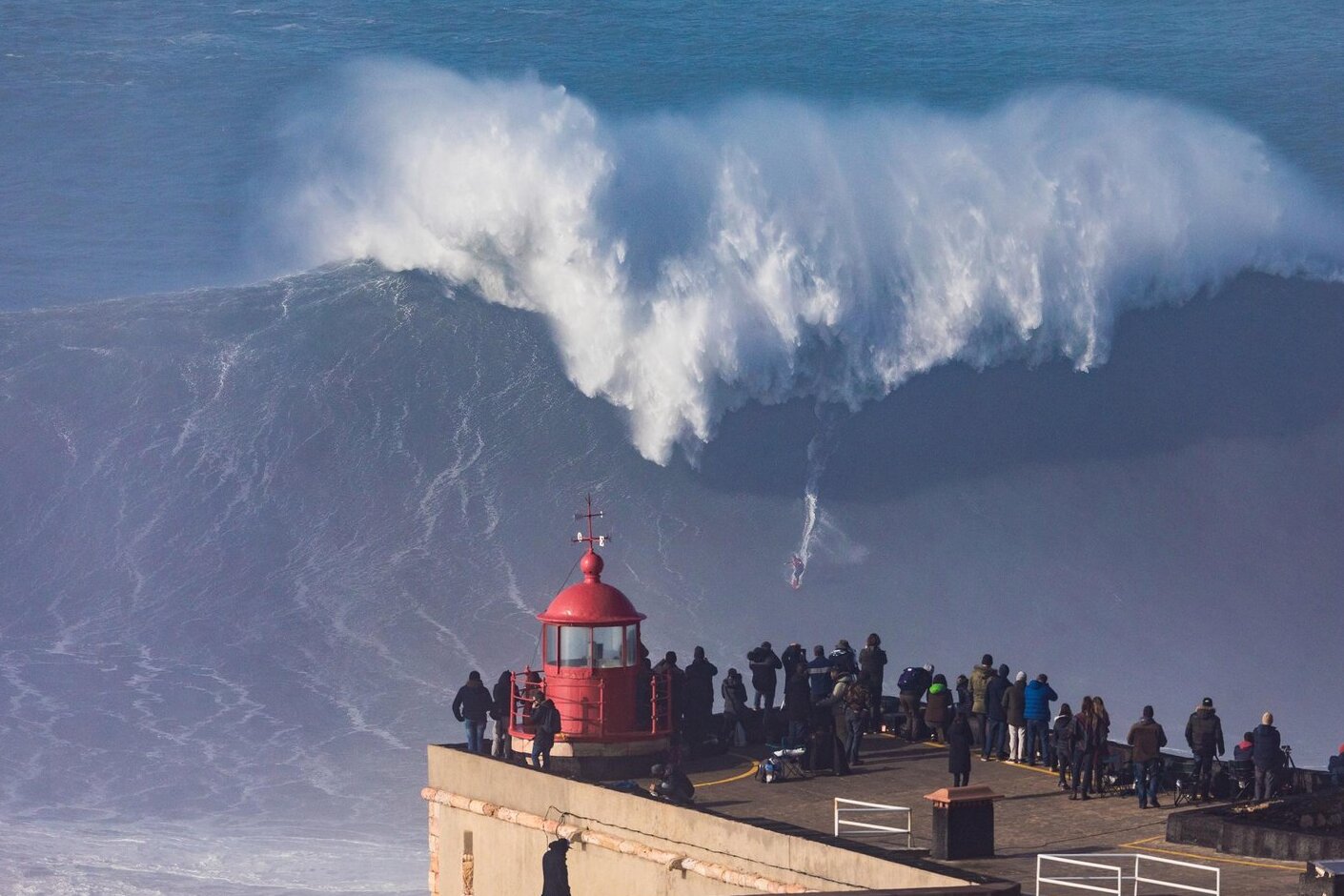
Nazaré, il surf e the Big Mama — where the ocean makes its case loudest

Nazaré, il surf e the Big Mama — where the ocean makes its case loudest
Nazaré is about 125 kilometres north of Lisbon, and the fastest train-based route involves taking a Alfa Pendular or Intercidades service from Santa Apolónia or Oriente toward Caldas da Rainha or Valado dos Frades, then a connecting bus into town — total journey time runs between 90 minutes and two hours depending on connections. It is not the simplest trip by rail, which is why many people drive, but it is doable and the connections are reliable if you book in advance. The town itself is split between the lower beach district and the upper Sítio, reached by funicular, and the difference in character between the two is significant enough that you should visit both.

Nazaré became internationally known when big-wave surfers began riding the enormous swells produced by the Nazaré Canyon, an underwater geological feature that funnels Atlantic energy into waves of extraordinary size. Between October and March, watching from the Praia do Norte headland is a legitimate reason to make the journey. In summer, the beach is wide and crowded and the town is busy. Walk the Sítio, take the funicular, watch the Atlantic from the fort at the top, and time your return train carefully.
Insider tip If you are coming for the big waves, check surf forecast sites before you leave Lisbon. A flat day at Nazaré is still a pleasant trip, but the swells that justify the journey happen on specific days, not every day.
3 Hilltop village / Coastal · 30.8 km

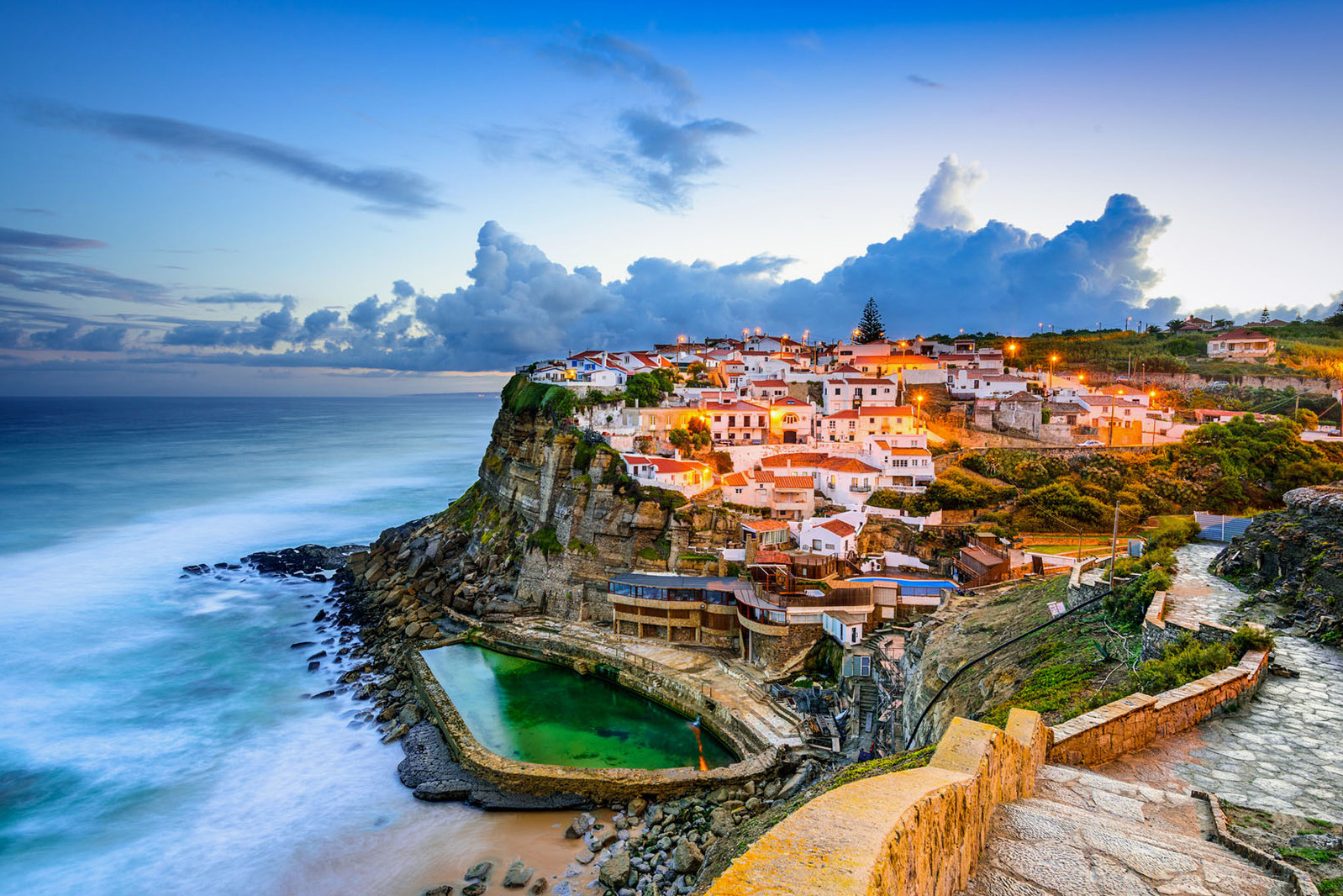
Azenhas do Mar: an astonishingly beautiful hillside town — perched where the land gives up

Azenhas do Mar: an astonishingly beautiful hillside town — perched where the land gives up
Azenhas do Mar is about 31 kilometres northwest of Lisbon, in the Sintra-Cascais Natural Park, and a car is the only practical way to reach it unless you are prepared for a complicated bus connection from Sintra. The drive from Lisbon takes 35 to 45 minutes depending on traffic leaving the city, and the last few kilometres wind through the Serra de Sintra before the village appears, stacked in white layers down a cliff face above the Atlantic. There is no train station, no ferry, and the bus service is infrequent enough to be unreliable for a day trip with any ambition.

The village is small — genuinely small, not tourist-brochure small — and the main things to do are walk the cliff paths, look at the natural sea pool carved into the rocks at the base of the cliffs, and sit somewhere with a view of the ocean and the tides moving below. The sunsets here, when the conditions are right, are the kind that make you stop talking mid-sentence. There are a handful of restaurants. Do not expect much infrastructure.
Insider tip The car park at the top of the village fills completely by 11:00 on summer weekends. Arrive before 09:30 or accept that you will park on the road above and walk down. The walk is not long but the road is narrow.
4 Natural landmark / Coastal cliff · 31.9 km

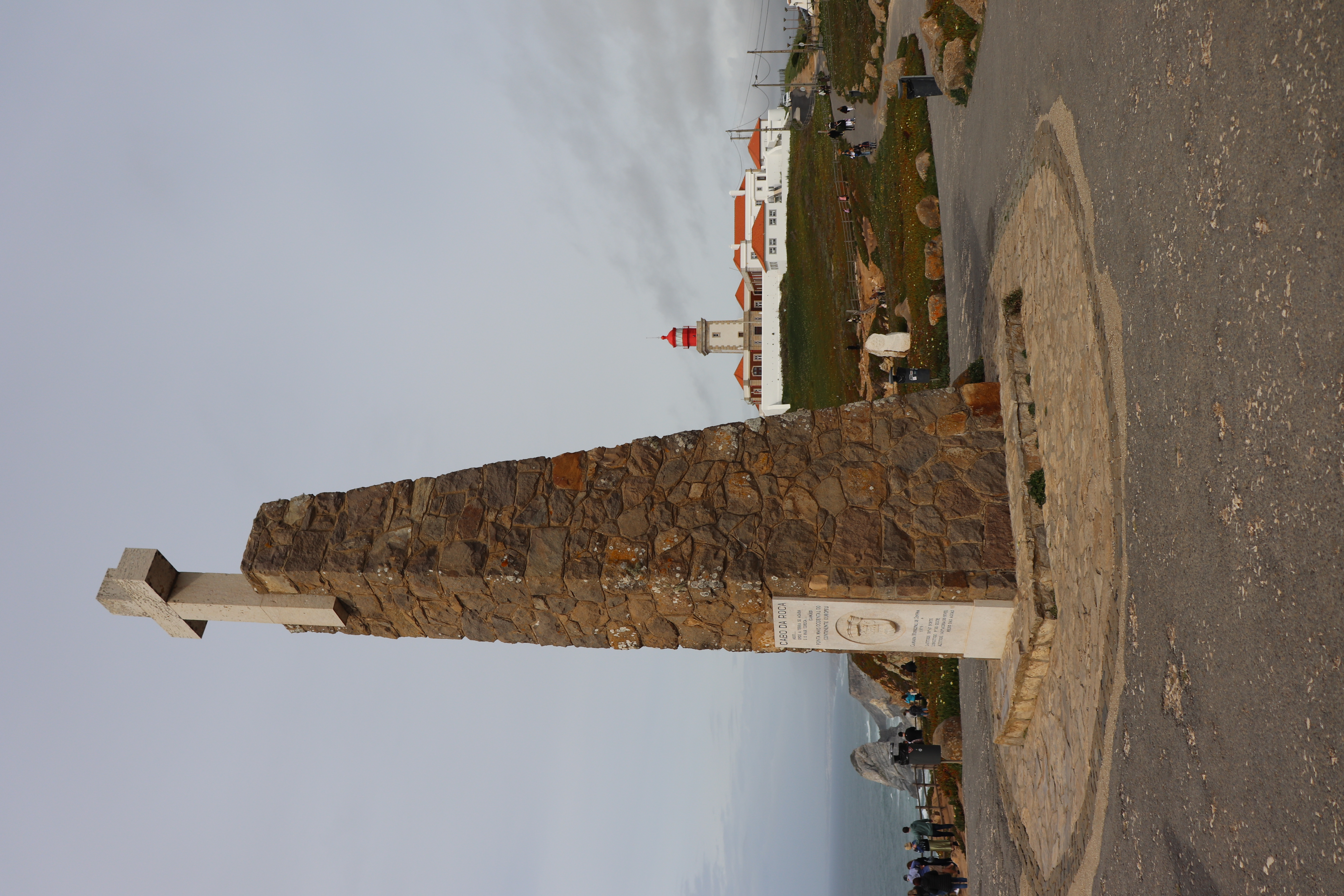
Cabo da Roca: La Fine del Mondo in Portogallo — the westernmost point of continental Europe

Cabo da Roca: La Fine del Mondo in Portogallo — the westernmost point of continental Europe
Cabo da Roca sits at the westernmost point of continental Europe, roughly 32 kilometres from Lisbon, and the drive takes about 40 minutes via the A5 and then the Sintra road. You can reach it by bus from Sintra or Cascais, but the bus schedule limits your flexibility and the last return times are earlier than you might want. A car gives you the freedom to time your visit for late afternoon when the light comes in low and the crowds from the morning coach tours have thinned. The cape is a headland of granite cliffs dropping into the Atlantic, with a lighthouse that has been operating since the 18th century and a stone monument marking the coordinates.

There is a small visitor centre where you can buy a certificate confirming you stood at the edge of the continent — a piece of paper that is either charming or unnecessary depending on your disposition. The walk along the cliff top path in either direction takes 20 to 30 minutes and the wind is almost always present. Dress accordingly regardless of the season.
Insider tip Midday in July and August is genuinely unpleasant here — tour buses, selfie queues at the monument, and a car park that becomes a slow-moving problem. Come before 09:00 or after 17:00 and the place is a different experience entirely.
5 Village / Lighthouse · 31.9 km

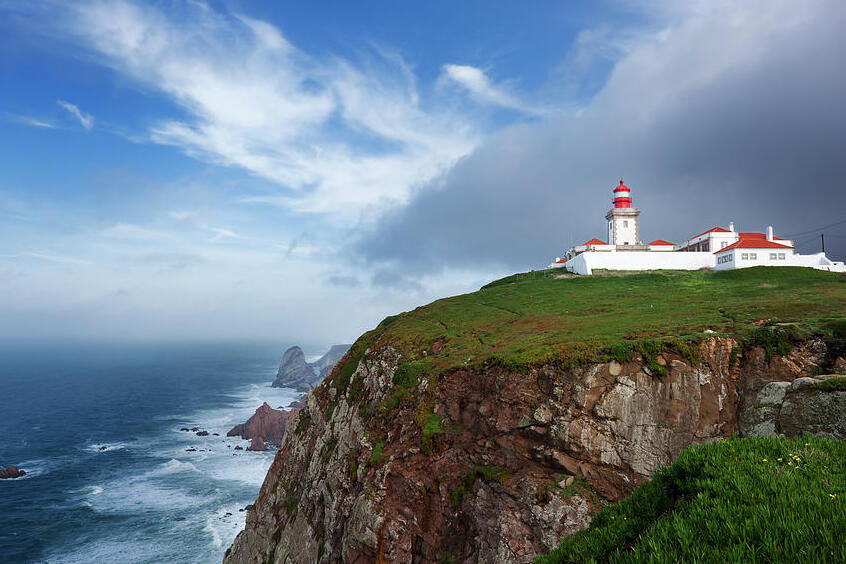
Colares | The lighthouse of Cabo da Roca — a village in the shadow of the cape

Colares | The lighthouse of Cabo da Roca — a village in the shadow of the cape
Colares is the small village inland from Cabo da Roca, sitting at around 32 kilometres from Lisbon, and it is best understood as a companion stop to the cape rather than a standalone destination — though it has its own quiet character that rewards an hour or two. The lighthouse at Cabo da Roca, dating to 1772, is visible from the village and the surrounding farmland, and the landscape between Colares and the cliff edge is a mix of vineyards and pine forest that feels genuinely unhurried. The village itself has a modest church, a central square, and the kind of café where the television is on and nobody is performing for visitors.

By car from Lisbon, Colares is about 35 minutes. The sensible approach is to combine it with Cabo da Roca in a single loop — drive to the cape first, walk the cliffs, then drop into Colares for lunch before heading back. The road between the two is short and the transition from dramatic cliff to quiet village is a contrast worth experiencing in that order.
Insider tip Colares produces wine from the Ramisco grape variety, grown in sandy soil that historically protected the vines from phylloxera. If you find a local wine shop open, it is worth stopping. Stock is limited and not widely exported.
6 Trekking / Coastal nature · 87.5 km

Rota Vicentina, il trekking più bello del Portogallo — where the coast becomes something else

Rota Vicentina, il trekking più bello del Portogallo — where the coast becomes something else
The Rota Vicentina is a long-distance walking route along Portugal's western coast, and a day trip from Lisbon means choosing a section rather than attempting the whole thing — which takes weeks. The relevant sections for a day visitor are roughly 90 to 100 kilometres south of Lisbon, accessible by car via the A2 and then west toward the coast. The drive takes between 90 minutes and two hours depending on which trailhead you choose. The route runs through the Costa Vicentina, part of a protected natural park, along cliffs and through coastal scrubland with the Atlantic on one side and a landscape of wildflowers and maritime pine on the other.

For a day trip, pick a 10 to 15 kilometre section, drive to one end, walk, and either loop back or arrange a pickup at the other end. The trail is well-marked and the terrain is manageable for anyone with reasonable fitness. The reward is a stretch of Atlantic coast that has no hotels, no beach bars, and no infrastructure beyond the path itself.
Insider tip Spring — late March through May — is the best time for this walk. The wildflowers are out, the temperature is comfortable for sustained walking, and the summer crowds that hit the Alentejo coast in July and August have not yet arrived.
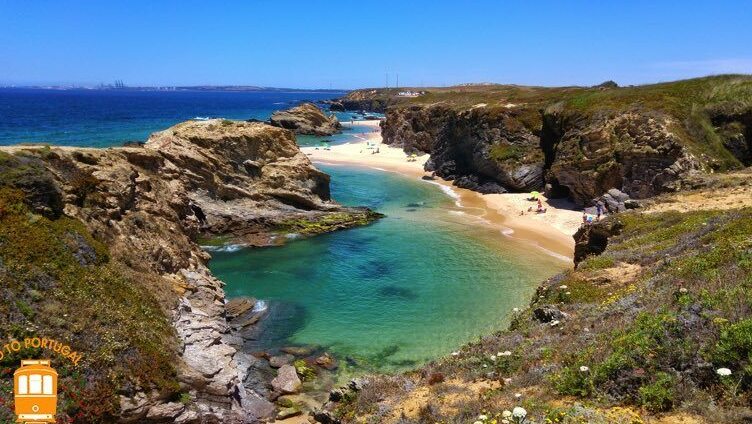
7 Wild beach / Coastal · 99.7 km

This beautiful and rugged Alentejan beach — north of Porto Covo, south of the tourist radar

This beautiful and rugged Alentejan beach — north of Porto Covo, south of the tourist radar
This stretch of Alentejan coastline, located a few kilometres north of Porto Covo, sits about 100 kilometres south of Lisbon and takes roughly 90 minutes to reach by car via the A2 toward Grândola and then west. There is no train service to this part of the coast and no bus that gets you close enough to be useful for a day trip. The beach itself is backed by low cliffs and accessed via tracks through coastal scrub. What you find when you get there is a wide arc of sand, rock formations, sea caves accessible at low tide, and a quality of solitude that is increasingly rare on the Portuguese coast.

Bring everything you need — water, food, sunscreen — because the infrastructure is minimal by design. The caves and rock formations at the northern end of the beach are worth exploring at low tide. Check tide tables before you go; the timing affects what you can access and how safely.
Insider tip The road to the beach is unpaved for the last kilometre or two. A standard rental car handles it in dry conditions, but after rain it becomes churned up. A higher-clearance vehicle gives you more confidence. Park well before the beach access point if the track looks doubtful.
8 Historic fortress / Island · 83.0 km

Forte de São João Baptista — a 17th-century fortress on a granite island

Forte de São João Baptista — a 17th-century fortress on a granite island
The Forte de São João Baptista stands on Berlenga Island, about 83 kilometres north of Lisbon, and reaching it requires a ferry from Peniche harbour. Getting to Peniche from Lisbon means either driving — about 90 minutes via the A8 — or taking a bus from Sete Rios, which takes around two hours. The ferry crossing from Peniche to Berlenga takes approximately 40 minutes in calm conditions. The fort was built in 1651 by order of King João IV and completed in 1656, connected to the main island by a narrow stone bridge. It served as a defensive position guarding the approaches to the Portuguese coast and later as a prison. Today it operates partly as a hostel, which means you can stay overnight — but for a day trip, the fort is accessible and the exterior and bridge are the main draw.

The combination of the crossing, the fort, the island's walking paths, and the boat trip back makes for a full day. Do not underestimate the ferry schedule.
Insider tip The ferry to Berlenga runs from roughly June to September; outside those months it is either suspended or highly irregular. Book your crossing in advance — the boat has limited capacity and sells out on summer weekends. Check the operator's schedule the day before, as rough seas cancel crossings without much notice.
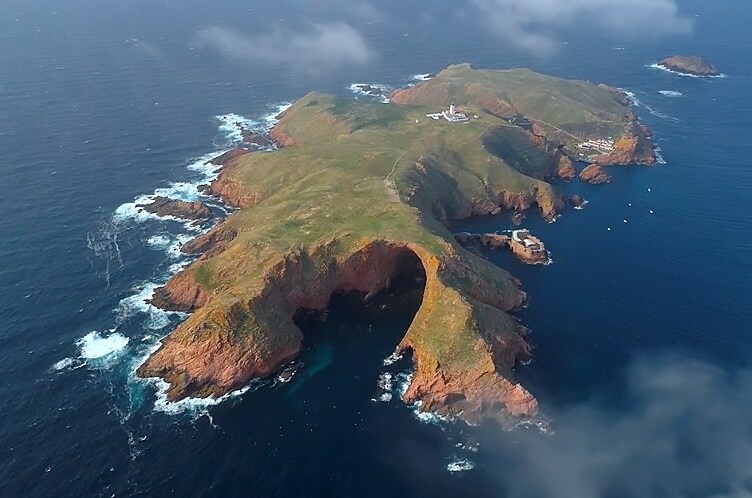
9 Island / Pristine nature · 83.4 km

The Berlenga Island — a nature reserve that takes some effort to reach

The Berlenga Island — a nature reserve that takes some effort to reach
Berlenga Island is a granite outcrop about 7 miles off the coast of Peniche, roughly 83 kilometres from Lisbon, and the journey to reach it — by car or bus to Peniche, then by ferry across open Atlantic water — is part of what makes arriving feel like an achievement. The island is 1,500 metres long and 800 metres wide, a nature reserve with restricted visitor numbers, and the landscape is unlike anything on the mainland: bare granite, seabird colonies, clear water in shades of blue that change with the depth and the light, and an almost complete absence of the sounds of ordinary life.

The walking circuit around the island takes two to three hours at a comfortable pace. The snorkelling in the coves around the island is excellent in calm conditions. The Forte de São João Baptista at one end provides historical context for what was otherwise a very remote and exposed place to defend. The return ferry timing is fixed and non-negotiable — miss it and you are staying overnight.
Insider tip Visitor numbers to the island are capped during peak season. If you are going in July or August, book the ferry as far in advance as possible — sometimes weeks ahead. The island's appeal is directly related to how few people are on it at any given time.
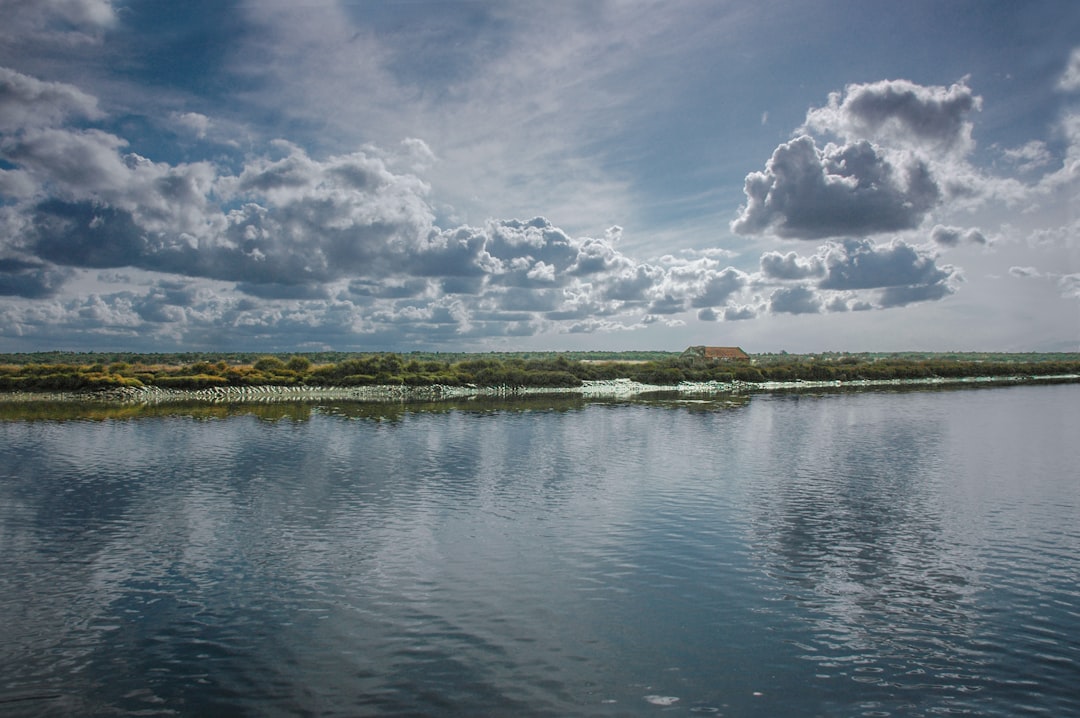
10 Park / Natural landscape · 31.0 km

Come pianificare Setúbal con AI 2026: Guida Completa — the estuary that rewards a slower approach

Come pianificare Setúbal con AI 2026: Guida Completa — the estuary that rewards a slower approach
The Setúbal peninsula and its surrounding natural park — the Parque Natural da Arrábida — offer a different experience of the same geography that the city of Setúbal sits within. Reaching the park area from Lisbon by boat is possible via the Sado estuary, and several operators run dolphin-watching and estuary tours from Setúbal's waterfront that give you access to the coastal landscape from the water rather than the road. The estuary is home to a resident population of bottlenose dolphins, and the boat trips that operate from Setúbal are a legitimate way to see them in their actual habitat rather than in a controlled environment.

The combination of the estuary by water and the Arrábida cliffs and beaches by road — if you have a car — makes the Setúbal area one of the most versatile day-trip destinations from Lisbon. The natural park's limestone cliffs drop into water that is genuinely clear by Atlantic standards, and the beaches within the park are among the least developed on the Portuguese coast within easy reach of the capital.
Insider tip Dolphin-watching departures from Setúbal typically leave in the morning. Book through operators based at the Setúbal waterfront rather than through Lisbon-based tour aggregators — you will pay less and deal with people who actually know the estuary. Sightings are common but not guaranteed.
Ten trips, and I have not exhausted the argument for leaving Lisbon. What strikes me, having done all of these multiple times and by different means, is how much the transport mode shapes the experience — not just the logistics but the mood. The train to Setúbal puts you among commuters and schoolchildren and gives you a different Setúbal than the one you'd drive to. The ferry to Berlenga puts the Atlantic between you and the mainland in a way that a road never can. The car to Azenhas do Mar lets you stop on the way back when the light is doing something worth stopping for.

The best day trip from Lisbon is the one that fits the day you actually have — the weather, the energy, the number of people you are travelling with, the hour you are willing to leave. Use this list as a starting point, not a checklist. And leave earlier than you think you need to. That is the only advice that applies to all ten.
🏆 Pocket guide

Take this guide with you.

Save it offline, get walking directions, and discover thousands more places like the ones you just read.

Save offline Smart routes Hidden gems
Scan to download iOS / Android
Scan for AppGallery Huawei users

All places, on a map

Map data © OpenStreetMap contributors.

Frequently asked questions

What is the best time of year for day trips from Lisbon?

Spring — April through June — is the most consistently good period. The weather is warm enough for coastal destinations but not so hot that cliff walks and inland towns become uncomfortable. Crowds are present but manageable. July and August are the busiest months; popular spots like Cabo da Roca and the Berlenga Island ferry are significantly more crowded and require earlier starts and advance bookings. September and October are excellent for the Rota Vicentina and the Alentejan coast. Winter is mild by northern European standards and many destinations are pleasantly quiet, though the Berlenga ferry is largely suspended.

Is a train pass worth buying for day trips from Lisbon?

For most of these trips, no. Portuguese train fares are low enough that buying individual tickets is almost always cheaper than a rail pass unless you are combining Lisbon day trips with a longer journey through Portugal or Spain. The Fertagus to Setúbal, for example, is inexpensive and bookable on the day. For the Nazaré route, booking an Alfa Pendular or Intercidades service in advance gets you a better seat and sometimes a marginally lower fare. Check the CP (Comboios de Portugal) website directly for current schedules and prices.

Is driving from Lisbon practical, and what should I know about parking?

Driving is practical for most of these destinations and essential for some — Azenhas do Mar, the Rota Vicentina, and the Alentejan beach are not realistically reachable by public transport for a day trip. Portuguese motorways are well-maintained and tolled; make sure your rental car has a transponder or that you understand the toll payment system before you leave. Parking at coastal and cliff-top destinations fills early on summer weekends — Cabo da Roca and Azenhas do Mar both have limited car parks that are full by mid-morning in July and August. Arriving before 09:30 or after 17:00 solves most parking problems.

How do I book the ferry to Berlenga Island, and what happens if the sea is rough?

The main ferry operators depart from Peniche harbour. Book online as early as possible for summer dates — the boat has a limited passenger capacity and weekend crossings sell out well in advance. The crossing takes about 40 minutes but is on open Atlantic water, which means it is genuinely rough on windy days. If the sea state is above the operator's safety threshold, the crossing is cancelled, usually with short notice. Check the forecast the evening before your trip and have a backup plan. Refunds are given for cancelled crossings, but your day is gone. The ferry season runs roughly June to September.

Can I do multiple destinations in a single day trip from Lisbon?

Yes, but be selective. The most natural combinations are Cabo da Roca and Colares, which are adjacent and work well as a morning-and-lunch loop by car. The Forte de São João Baptista and The Berlenga Island are the same destination — the fort is on the island, so the ferry trip covers both. Setúbal and the Arrábida natural park are geographically close and can be combined by car, though the park road is slow and scenic rather than fast. Avoid trying to combine destinations from different sections of this list — Nazaré and Berlenga Island in the same day, for example, is theoretically possible but practically exhausting and leaves you doing neither properly.

🏆 Read this offline

Save it to your phone.

Bookmark this guide, plan your trip offline, and discover thousands of places like these.

Bookmark Plan offline 60 languages
Scan to download iOS / Android
Scan for AppGallery Huawei users
Secret World Hidden places, real stories — plan your trip
Get the app
