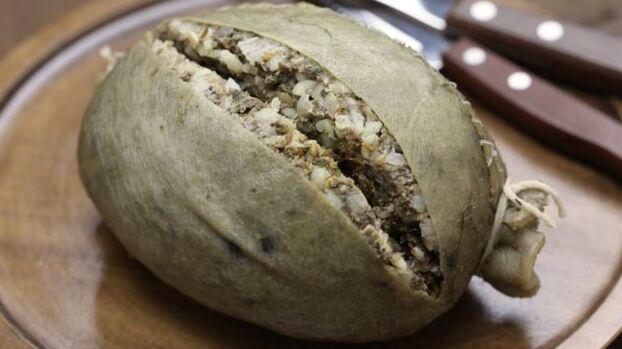


Nestled within the rolling hills and cobblestone streets of Edinburgh, a culinary tradition as storied as Scotland itself beckons the curious traveler. Haggis, often celebrated as Scotland’s national dish, is more than just a meal; it is a testament to the country’s resilience and rich heritage.
### History and Origins The origins of haggis are steeped in history, dating back to ancient times when resourcefulness was essential for survival. It is believed that the dish was first concocted by farmers who needed to make full use of livestock. Using the sheep's stomach as a casing, they created a nourishing meal from the animal's liver, lungs, and heart, mixed with oats and spices. The first written mention of haggis appears in 1430, although it was likely enjoyed long before then.
The dish gained further prominence with the works of Robert Burns, Scotland’s national bard, who immortalized haggis in his 1787 poem "Address to a Haggis." Burns Night, celebrated on January 25th, sees Scots around the world honor his legacy with haggis as the centerpiece.
### Art and Architecture As you explore Edinburgh, the city’s art and architecture echo the same blend of tradition and modernity that haggis represents. The Edinburgh Castle, a historic fortress, stands majestically on Castle Rock, while the Scottish National Gallery houses masterpieces by Turner and Botticelli. These landmarks illustrate the city's artistic significance, a perfect backdrop to a cultural exploration that includes traditional Scottish cuisine.
### Local Culture and Traditions In Edinburgh, traditions run deep, and haggis plays a central role in many cultural celebrations. Beyond Burns Night, haggis is enjoyed during Hogmanay, the Scottish New Year’s celebration, and St. Andrew’s Day on November 30th. These gatherings often feature traditional music, Highland dancing, and, of course, a dram of whisky to complement the hearty dish.
### Gastronomy While haggis is the star, Edinburgh’s culinary scene offers a tapestry of flavors. Sample the Cullen skink, a creamy fish soup, or indulge in shortbread, a buttery delight. Pair these with a glass of Scotch whisky, whose origins in the region date back to the 15th century. For those seeking plant-based options, vegetarian haggis made with beans and lentils provides a modern twist while retaining traditional flavors.
### Lesser-known Curiosities Many visitors are surprised to learn that haggis was banned in the United States until 2010 due to food safety regulations concerning sheep lung. However, the dish's reputation has only grown, with chefs around the world putting their unique spin on this classic. Another curiosity is the annual Haggis Hurling Championship, where participants compete to throw haggis as far as possible—a quirky nod to Scottish humor and tradition.
### Practical Visitor Information The best time to visit Edinburgh is during the summer months of June to August, when the city hosts the Edinburgh Festival, the world’s largest arts festival. However, visiting in January for Burns Night offers a unique glimpse into Scottish culture. When in Edinburgh, be sure to visit local pubs and restaurants like The World's End or Mussel Inn for an authentic taste of haggis.
Exploring Edinburgh offers a delightful journey through history, art, and culinary tradition, where haggis serves as a flavorful symbol of Scottish identity. Plan your personalized itinerary with the Secret World app to uncover more hidden gems in this captivating city.