
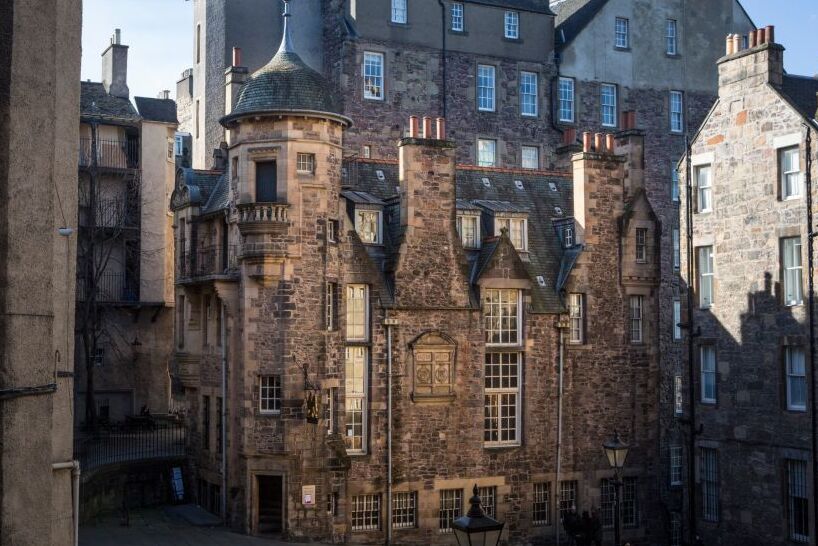

Nestled in the heart of Edinburgh, The Writers’ Museum is a tribute to the literary giants who shaped Scotland's rich cultural tapestry. Housed in the charming Lady Stair’s House, which dates back to 1622, this museum offers visitors a glimpse into the lives of three of Scotland's most esteemed authors: Sir Walter Scott, Robert Burns, and Robert Louis Stevenson.
The origins of Lady Stair’s House are steeped in history. Built for Euphemia, Lady Stair, the wife of the 1st Earl of Stair, the mansion has witnessed centuries of Edinburgh's evolution. After changing hands several times, the building was gifted to the City of Edinburgh in 1907 by the Scottish philanthropist and writer, William McGonagall, with the purpose of creating a museum that would celebrate the legacy of Scottish literature. The museum officially opened its doors in 1910, and since then, it has served as a beacon for literature lovers from all corners of the globe.
Architecturally, Lady Stair’s House is a fine example of 17th-century Scottish architecture. Its stone façade and intricate woodwork offer a glimpse into the grandeur of its era, while the interior retains a cozy, intimate atmosphere. Visitors will find themselves enchanted by the wooden spiral staircase and the ornate plasterwork, which speak to the craftsmanship of the time. The museum's various rooms are adorned with portraits and manuscripts, creating a setting that is both scholarly and inviting.
The Writers’ Museum is not just about the physical space; it also houses a rich collection of artifacts that tell the stories of its literary namesakes. Among the most notable items are the printing press used for Sir Walter Scott’s novels, his dining table, the writing desk of Robert Burns, and Robert Louis Stevenson’s fishing rod and smoking pipe. These personal items provide a tangible connection to the authors, allowing visitors to imagine the moments of inspiration that fueled their creativity.
Edinburgh is a city deeply intertwined with its literary heritage, and local culture reflects this connection. The Edinburgh International Book Festival, held annually in August, is a highlight on the cultural calendar, drawing writers, poets, and readers from around the world. Additionally, the city's UNESCO designation as a City of Literature underscores its importance as a hub for literary activity. Traditional storytelling and poetry recitals are common in local pubs, where visitors can experience the vibrancy of Scottish culture firsthand.
When it comes to gastronomy, Edinburgh boasts a rich culinary scene that often incorporates traditional Scottish fare. Visitors to the museum might consider indulging in haggis, a savory dish made from sheep's heart, liver, and lungs, mixed with spices and oats, or sampling neeps and tatties (turnips and potatoes) as a side. For a sweet treat, tablet—a crumbly confection made from sugar, condensed milk, and butter—offers a taste of local sweetness. Pairing these dishes with a glass of Scotch whisky is a quintessential way to experience Edinburgh's culinary heritage.
For those seeking lesser-known curiosities, the museum is filled with delightful surprises. One fascinating detail is that Robert Burns, often heralded as Scotland's national poet, once worked as an excise officer. This job provided him with unique insights into the lives of ordinary Scots, which he captured beautifully in his poetry. Additionally, the museum hosts temporary exhibitions that often spotlight lesser-known Scottish writers, providing a platform for emerging literary voices.
The best time to visit The Writers’ Museum is during the spring and early autumn months, when the weather is mild, and the city is alive with activity. Weekdays are typically less crowded, allowing for a more intimate experience with the exhibits. Visitors should take the time to explore the museum's nooks and crannies, as there are often hidden gems tucked away, including rare first editions of the authors' works.
Before you leave, be sure to wander around the Royal Mile, where the museum is located. This historic street is lined with shops, cafes, and other attractions that reflect Edinburgh's vibrant character. The lively atmosphere and rich history make it a perfect complement to your visit to the museum.
As you plan your exploration of Edinburgh’s literary treasures, consider using the Secret World app to craft a personalized itinerary tailored to your interests.


