


A white sand beach under a ceiling of stalactites, hours of walking from civilization. Hang Én, in Quảng Bình province in central Vietnam, is one of the largest caves on the planet by the volume of its inner chamber, ranked third in the world after the nearby Hang Sơn Đoòng and the Malaysian Sarawak Chamber. Reaching it requires two days of trekking through the primary forest of the Phong Nha-Kẻ Bàng National Park, a UNESCO heritage site, starting from the village of Thuong Trach.
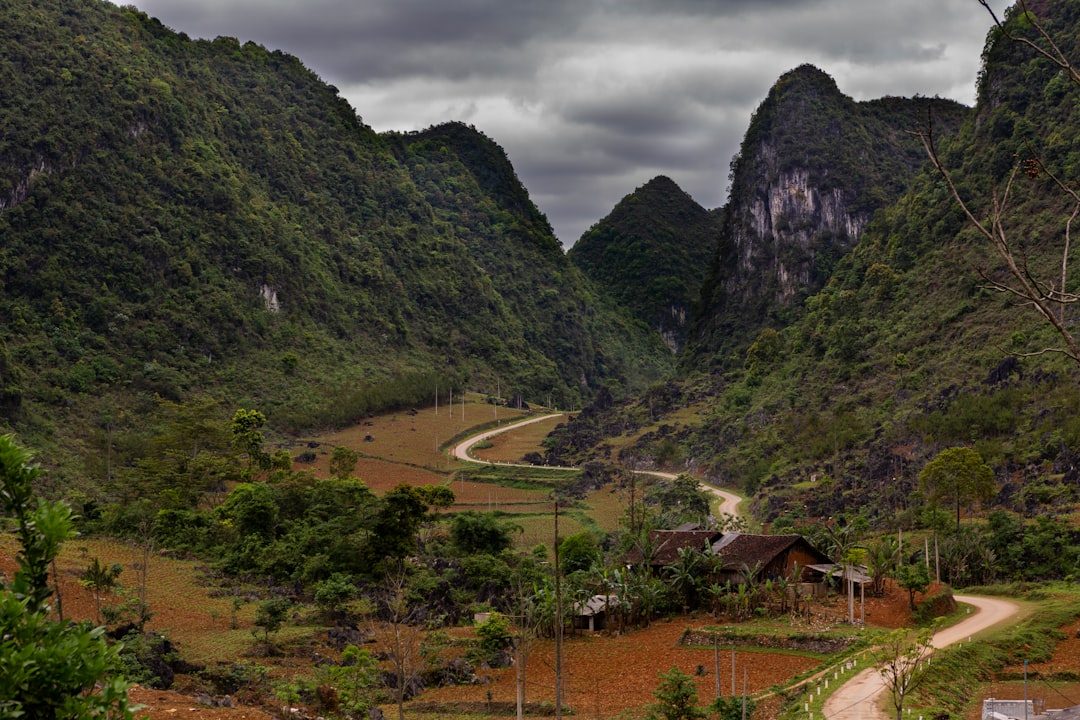
Access is strictly regulated: the only authorized operator to take visitors inside is Oxalis Adventure, based in Phong Nha. Groups are small, dates are limited, and reservations sell out months in advance. This control is not just bureaucratic: it serves to preserve a subterranean ecosystem of rare fragility, where every step off the marked paths could damage rock formations that have grown over millennia.
The forest before the cave
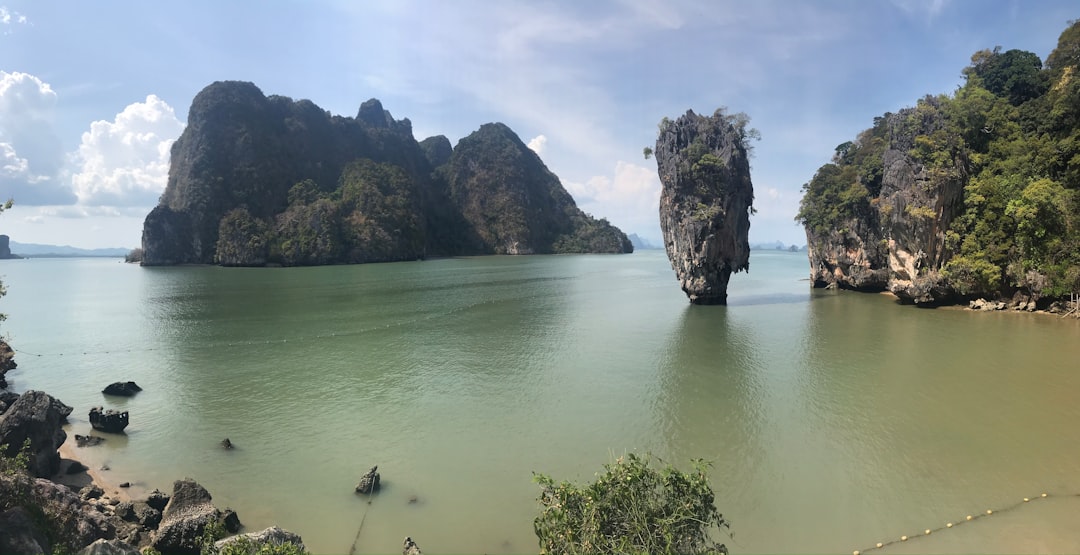
The path to Hang Én crosses the jungle of Phong Nha-Kẻ Bàng, one of the oldest and most pristine forest areas in Southeast Asia. Local guides, mostly belonging to the ethnic communities of the area, lead groups along trails that follow the course of the Rao Thuong River, fording the waterway several times during the march. The vegetation is dense and multilayered: giant ficus, bamboo, tree ferns, and vines form a continuous canopy above the path, minimizing light even during the central hours of the day.
Those who pay attention can observe traces of wildlife along the way. The park is home to rare species such as the saola, the giant muntjac, and numerous species of primates, including the black-handed gibbon. Direct sightings are rare, but footprints in the mud, sounds in the vegetation, and the presence of extraordinary-sized insects and butterflies constantly remind that one is walking within a living and complex ecosystem.

The entrance to the cave and the white sand beach
The mouth of Hang Én is a natural portal of proportions difficult to comprehend at first glance: dozens of meters high, framed by vegetation that grows up to the edge of the rock. Inside, the eyes take a few minutes to adjust to the partial darkness. The main chamber of the cave measures about 1.6 kilometers in length and reaches heights that exceed 100 meters at some points, creating its own microclimate with air currents, constant humidity, and stable temperature.

In the center of the cave flows an underground river with clear waters, and along its banks extends a fine white sand beach where groups set up camp for the night. Sleeping here means waking up to the sound of flowing water and the song of the Germain's swifts (Aerodramus germani), the species of birds that nest in thousands on the rocky walls of the cave. These small birds, whose nests are traditionally collected for the preparation of bird's nest soup, fly in continuous circles even during the night, orienting themselves with echolocation like bats.
The biodiversity in the dark

Hang Én is not just rock and emptiness: it is a habitat for a surprising variety of organisms adapted to darkness. In the deepest areas, far from the natural light that filters in from the entrances, live cave-dwelling crustaceans, fish lacking pigmentation, and spiders of species still being scientifically cataloged. The damp walls host mosses and algae in the shaded areas, while bats of different species share the space with swifts in the higher sections of the vault.
Oxalis guides are trained to explain these balances to visitors, encouraging respectful behavior: no flashlights pointed directly at the nests, no excessive noise during nighttime hours, waste taken back outside without exceptions. It is a type of tourism that requires active awareness, not just physical presence.
Practical Information for the Visit
The standard tour of Hang Én lasts two days and one night, departing from Phong Nha. The best time to visit is from February to August, when the rains are less intense and the underground rivers are safely crossable. During the monsoon season, from September to January, the cave is inaccessible due to the risk of sudden floods. The cost of the tour with Oxalis is around 300-350 US dollars per person, including guides, porters, meals, and camping equipment.
It is essential to book well in advance, especially for the months between March and May which see the highest demand. The required fitness level is moderate: the trekking involves about 10-12 kilometers a day on uneven terrain, with river crossings. No caving experience is necessary, but it is advisable to arrive with waterproof trekking shoes and clothing that can get wet without issues.


