
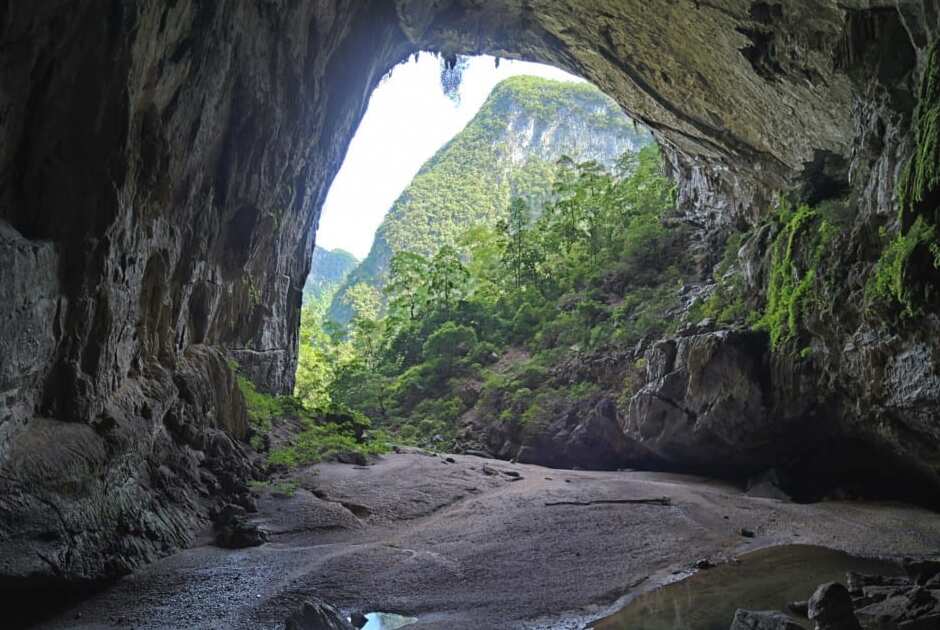

Nestled in the heart of Phong Nha-Ke Bang National Park, Son Doong Cave is a marvel of natural history that captivates adventurers and scientists alike. Discovered in 1991 by local farmer Ho Khanh, it took nearly two decades for its true grandeur to be unveiled to the world. In 2009, a British expedition led by Howard Limbert conducted the first thorough exploration, revealing its staggering dimensions and unique ecosystem.
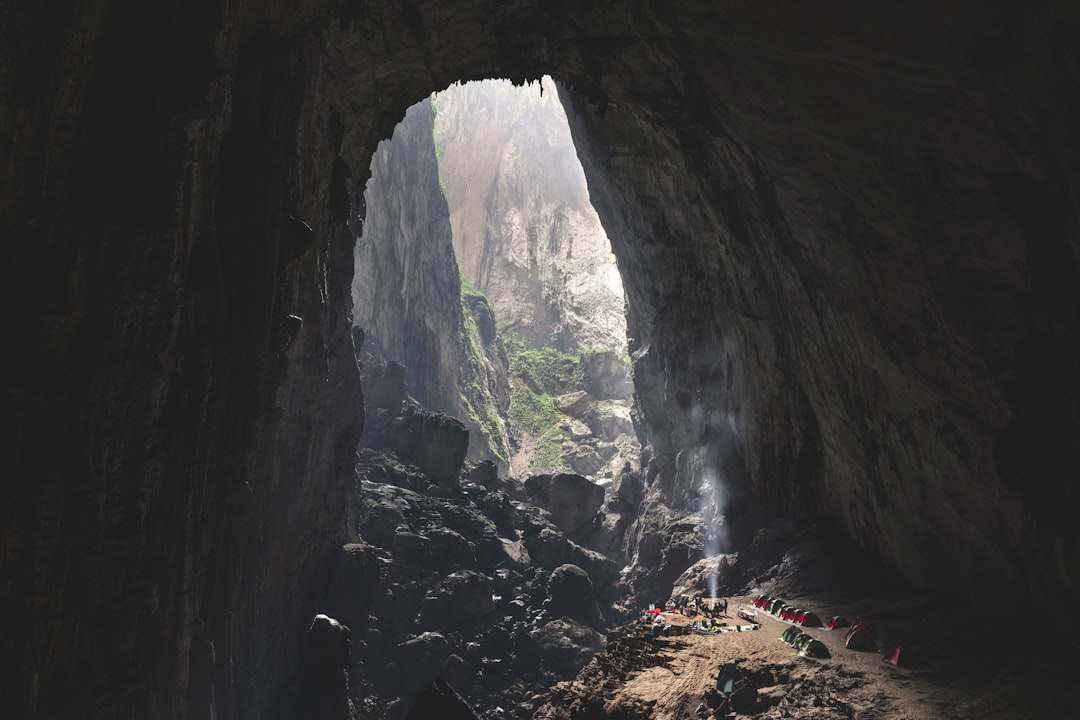
Stretching over 5.5 miles and reaching heights of up to 650 feet, Son Doong is so expansive that it could comfortably fit a 60-story skyscraper within its chambers. It contains an underground river and even a jungle, thriving with biodiversity. The cave is part of a larger network comprising more than 150 caves near the Laos border, many of which remain uncharted, making it a treasure trove for researchers and adventurers.
The cave's art and architecture are defined by nature itself. The stunning stalactites and stalagmites, formed over millions of years, showcase nature's artistry. The calcite wall, soaring 200 feet high, is a focal point within the cave, a barrier that initially thwarted explorers. The intricate formations tell a story of geological history that few can witness in person.
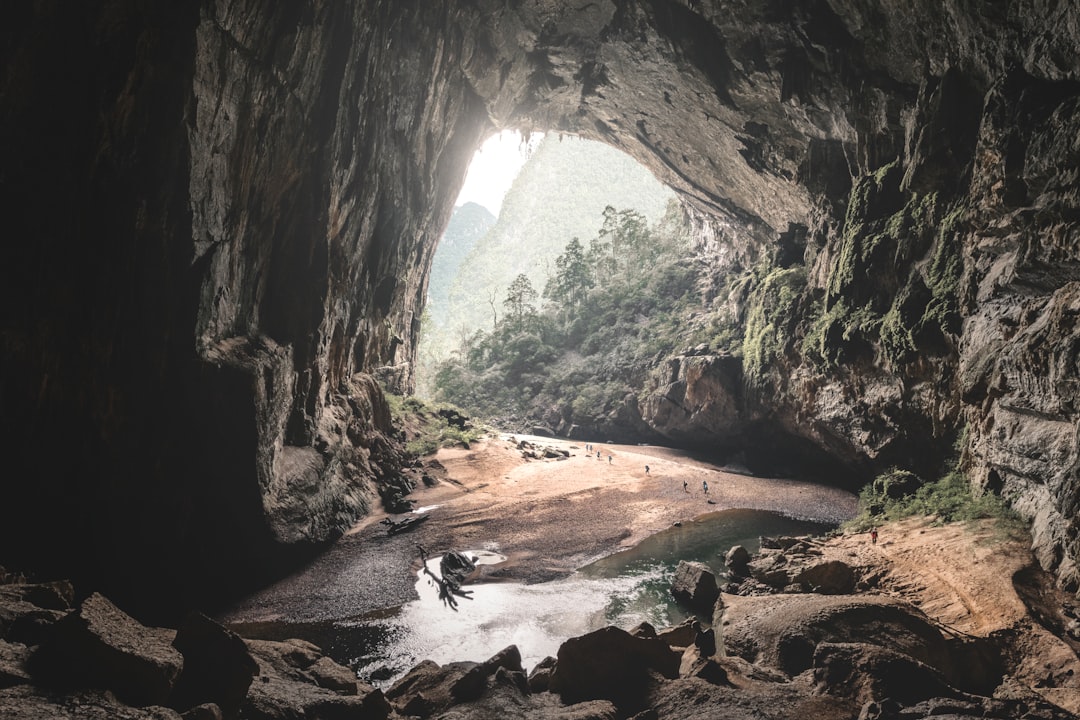
Local culture plays a significant role in the cave's narrative. The nearby Phong Nha region is home to the Bru-Vân Kiều ethnic minority, who have lived in harmony with the land for generations. Their customs, including traditional music and dance, reflect a deep respect for nature, often inspired by the surrounding landscape. Festivals such as Tet, the Lunar New Year, are celebrated with vibrant displays of cultural heritage, emphasizing the community’s connection to both the cave and the natural world around them.
Gastronomy in this region is equally captivating. Visitors can savor local dishes such as Bánh Xèo (Vietnamese pancakes), Phở (noodle soup), and Gỏi Cuốn (spring rolls) in nearby towns like Phong Nha and Son Trach. The region is also known for its unique beverage, Trà Mạn, a traditional green tea that pairs beautifully with local cuisine and reflects the slow-paced lifestyle of its inhabitants.
For those who seek hidden curiosities, Son Doong offers a wealth of surprises. One fascinating fact is that the cave's ecosystem houses ancient plant species that were thought to be extinct. Additionally, the unique weather patterns inside the cave can create conditions resembling a mini rainforest, complete with its own weather system. The cave is also home to various wildlife, including the rare Black-shanked Douc Langur and numerous bird species, making it a paradise for nature enthusiasts.
If you’re planning a visit, the best time to explore Son Doong is during the dry season, typically from February to August. Due to its remote location, access is regulated, and permits are required, often necessitating advance booking through specialized tour operators. When visiting, be sure to bring sturdy hiking gear, as the trek to the cave involves navigating through rugged terrain.
As you embark on this unforgettable journey, keep an eye out for the breathtaking vistas and the magical interplay of light and shadow within the cave’s chambers. Photography enthusiasts will find endless inspiration among the magnificent formations.
Son Doong Cave is not just a destination; it is a testament to the natural world’s wonders. Visitors leave with a profound appreciation for the delicate balance of ecosystems and the importance of preserving such treasures.
To make the most of your visit to this incredible natural wonder, consider using the Secret World app to craft a personalized itinerary that suits your adventurous spirit.


