
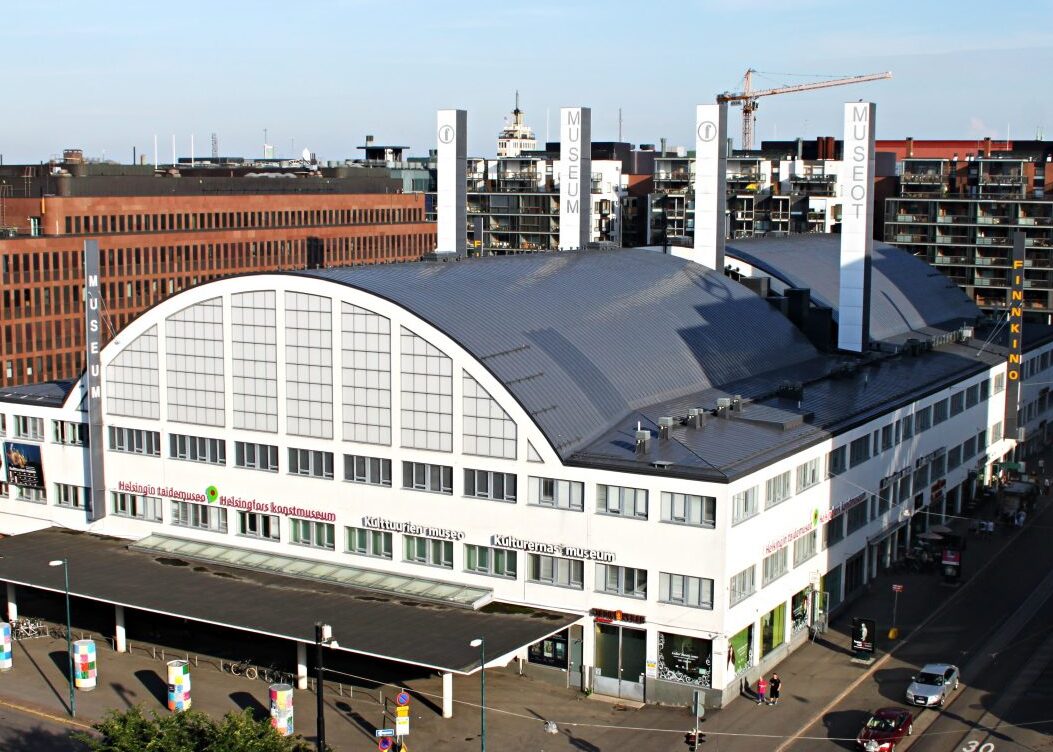

The Helsinki City Museum stands as a vibrant testament to the city's rich history and cultural tapestry. Nestled next to Senate Square, in the heart of Finland's capital, this museum is dedicated to documenting and preserving the essence of Helsinki. Its mission transcends mere display; it seeks to uphold the spiritual, material, and architectural heritage of the city, intertwining the personal memories and everyday lives of its residents with the vast narrative of Helsinki's past.
History and Origins The roots of Helsinki trace back to 1550, when it was founded by King Gustav I of Sweden as a trading post to compete with Tallinn in Estonia. However, the city did not flourish until the 18th century, when it was named the capital of Finland in 1812. The Helsinki City Museum was established in 1906, with an intent to capture the city's evolving identity. Over the years, it has adapted and grown, embodying key historical events, such as the Finnish Civil War in 1918 and Finland's journey to independence in 1917.
Art and Architecture The museum is housed in a remarkable neoclassical building, which itself is a piece of history. Designed by architects Karl Ludwig Engel and C. M. R. M. von Wright, the structure reflects the grandeur of Helsinki’s architectural style during the early 19th century. Inside, visitors can find a treasure trove of artworks and artifacts that spotlight the evolution of the city. Notable installations include the Helsinki 200 exhibition, showcasing stunning photography that captures the essence of the city's transformation through the years. The museum’s architecture pairs beautifully with its exhibits, creating an immersive experience for visitors.
Local Culture and Traditions Helsinki is a city that pulsates with life, and its culture is deeply rooted in tradition. Events such as the Helsinki Festival and Vappu, a lively celebration of spring held on May 1st, showcase the vibrancy of local customs. The museum often hosts workshops and exhibitions that delve into these traditions, allowing visitors to engage with the cultural fabric of the city. The emphasis on community memory and shared stories enriches the visitor experience, making it a living repository of Helsinki’s heritage.
Gastronomy No visit to Helsinki is complete without indulging in its culinary delights. The museum’s vicinity offers access to traditional Finnish cuisine, ranging from Karjalanpiirakka (Karelian pasties) to Lohikeitto (salmon soup). Nearby cafes serve up Pulla, a sweet cardamom bread, and local delicacies that reflect the city’s maritime history. The museum may occasionally feature exhibitions focused on food history, connecting visitors to the gastronomic culture of Helsinki.
Lesser-known Curiosities One of the hidden gems of the Helsinki City Museum is its collection of personal stories from residents, revealing the city’s unique anecdotes that are often overlooked. For instance, visitors can discover the stories of Helsinki’s wartime experiences through personal letters and photographs. The museum also maintains a digital archive that includes oral histories, providing a deeper understanding of the city's diverse narratives. Moreover, the charming Hakasalmi Villa, one of the museum's five sites, is a beautiful example of Helsinki’s Art Nouveau architecture and is often missed by tourists.
Practical Visitor Information The Helsinki City Museum is free of charge, making it an accessible destination for all. The best time to visit is during the summer months, when the city is alive with festivals and outdoor activities. However, the museum is open year-round, offering a cozy retreat during the cold Finnish winters. Tips for visitors include checking the museum’s calendar for special exhibitions and events, and taking advantage of the nearby cafes for a taste of local fare.
As you plan your visit to Helsinki, consider using the Secret World app to craft a personalized itinerary that highlights the city’s rich tapestry of history and culture.


