
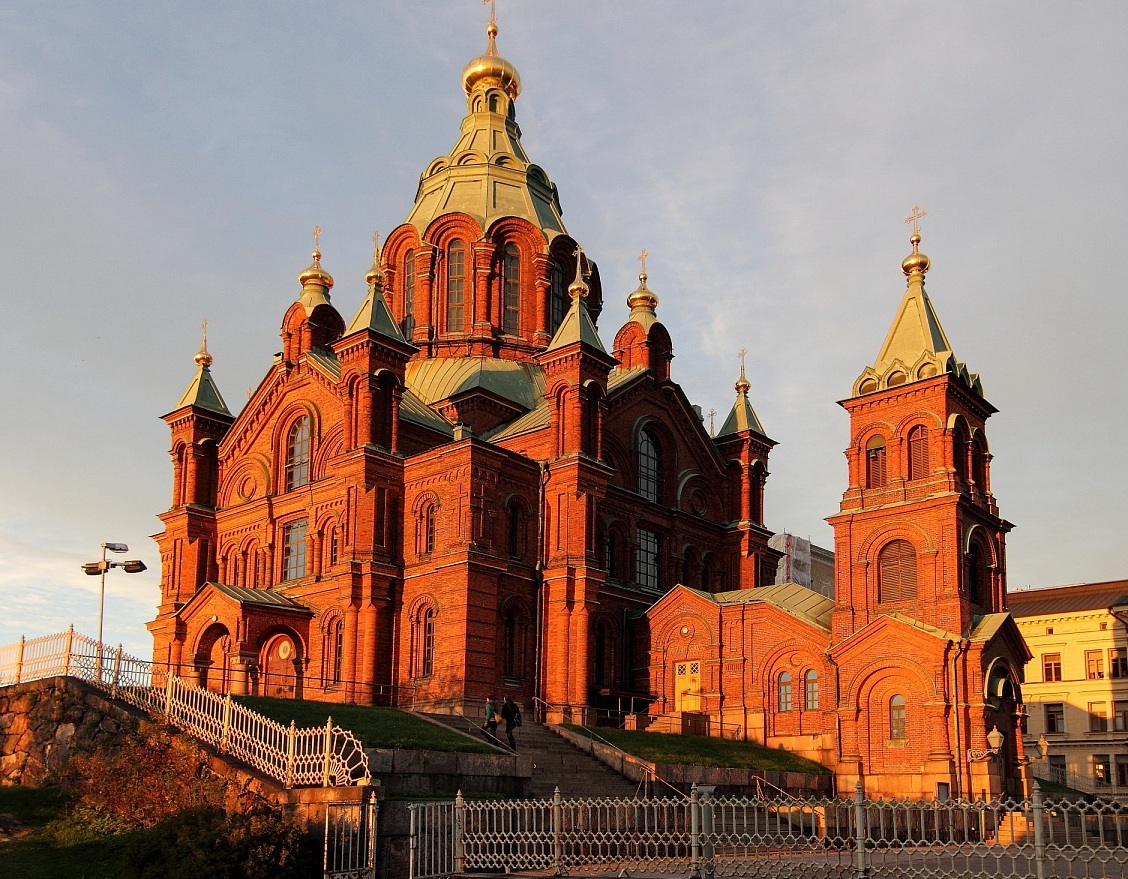

Perched majestically on the Katajanokka peninsula, Uspenski Cathedral (or the Cathedral of the Dormition) stands as a stunning testament to Helsinki's rich cultural tapestry. With its striking red brick façade and golden domes, this Eastern Orthodox cathedral attracts visitors not just for its architectural grandeur but also for the profound history it embodies.
History and Origins
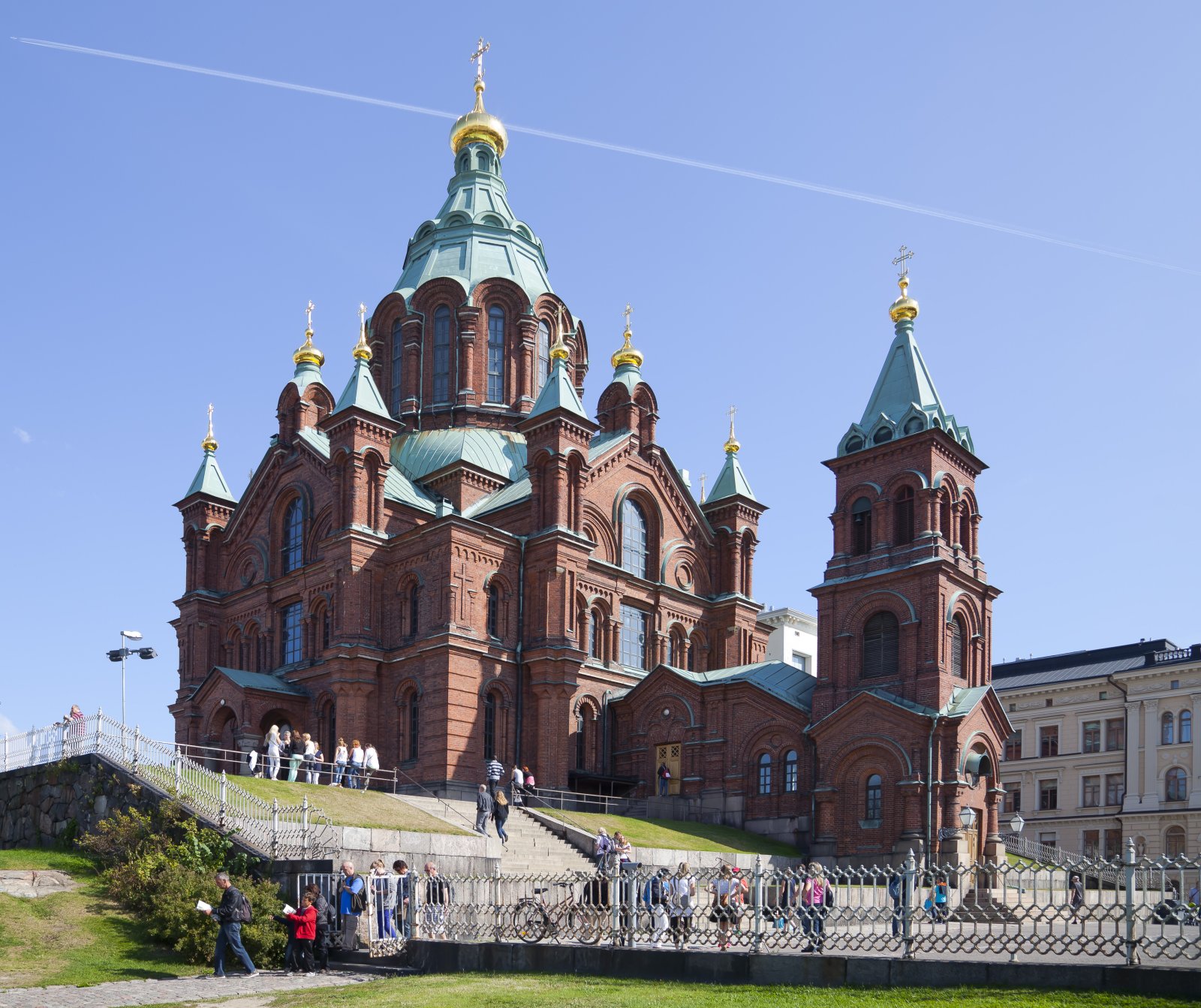
The roots of Uspenski Cathedral can be traced back to the mid-19th century, a period of significant change for Finland as it transitioned from a Grand Duchy of Russia to an independent nation. Designed by the Russian architect Aleksandr Sergeyevich Sokolov, the cathedral was completed in 1868 and was inspired by the Church of the Ascension in Kolomenskoye, Russia. This architectural choice reflects the cultural and religious influences of the time, emphasizing the connection between Finland and the Russian Empire.
The cathedral served not only as a house of worship but also as a symbol of national identity for the Orthodox community in Finland. Throughout its history, Uspenski has witnessed pivotal moments, from the cultural shifts during Finland's fight for independence in 1917 to its role in modern religious practices.
Art and Architecture
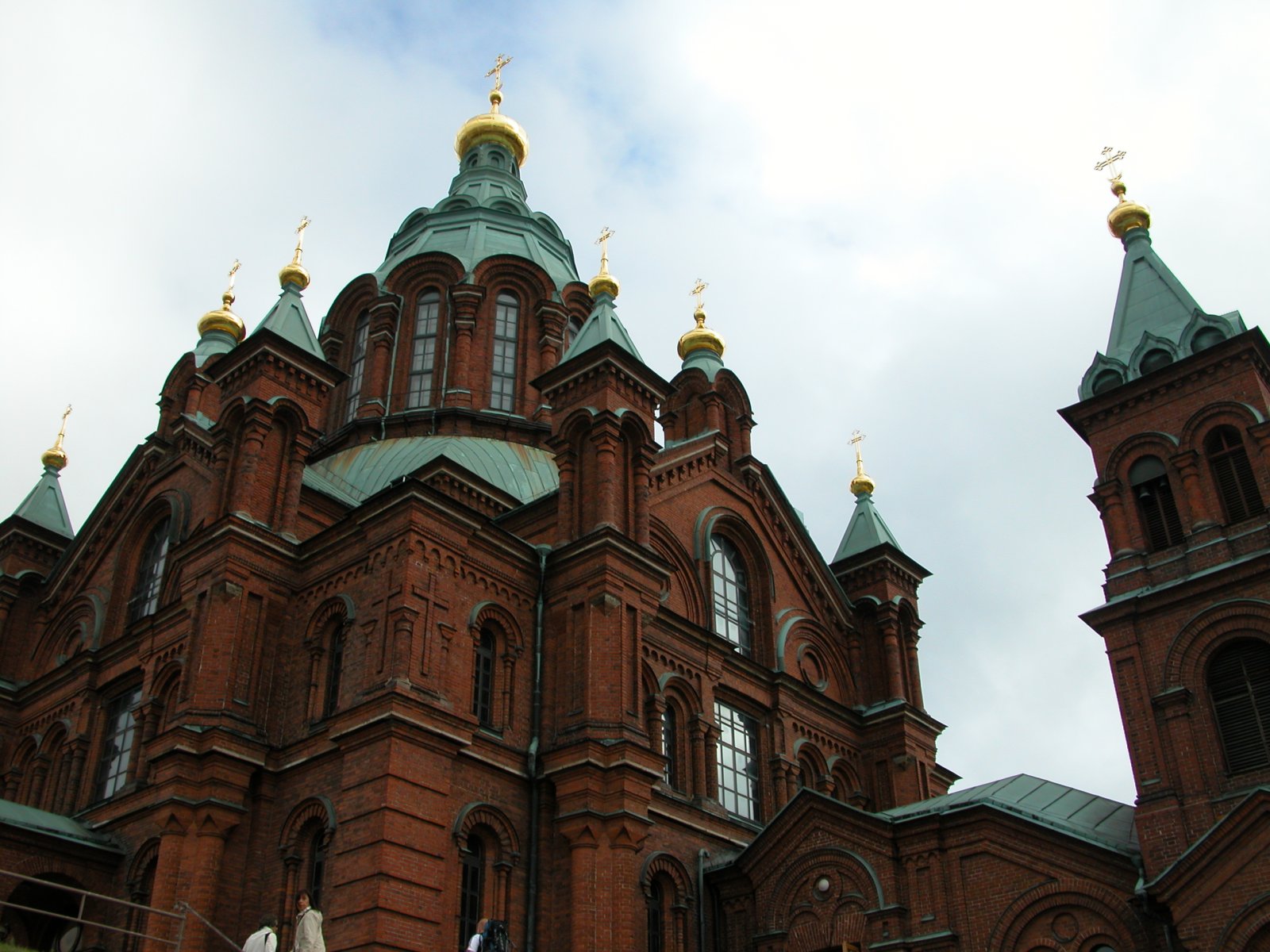
Uspenski Cathedral is a prime example of Russian Byzantine architecture, characterized by its elaborate design and beautiful artistic elements. The cathedral's exterior is adorned with 22-carat gold domes, locally referred to as sipulit (meaning "onion" in Finnish), which glimmer in the sunlight against the backdrop of the sky. The façade, made of red brick, is both imposing and inviting, drawing the eye from various points around Helsinki.
Inside, the cathedral reveals a simpler, yet profoundly serene atmosphere. The vast interior is dominated by an intricate iconostasis, a wall of icons that separates the nave from the sanctuary. This stunning feature is richly decorated with religious imagery, each icon telling a story and embodying centuries of Orthodox tradition. The cathedral's interior also houses beautiful frescoes and chandeliers, providing a spiritual ambiance that invites contemplation.
Local Culture and Traditions
Uspenski Cathedral is not just a religious site; it is also a hub of cultural significance for the local Orthodox community. The cathedral plays host to various religious services, particularly during significant celebrations such as Easter and Christmas, when the community gathers to honor their traditions and heritage.
One of the most captivating aspects of Uspenski is its role in the annual Helsinki Orthodox Church Festival, where local customs, music, and food come together to celebrate the rich heritage of the Orthodox faith in Finland. The festival features traditional dances, music performances, and opportunities to sample Orthodox delicacies, fostering a sense of unity and cultural pride.
Gastronomy
A visit to Uspenski Cathedral offers a chance to explore the local gastronomy as well. Just a short stroll from the cathedral, visitors can indulge in traditional Finnish dishes that reflect the country’s diverse culinary heritage. Ruisleipä (rye bread) is a staple, often served with smoked salmon or herring. For those with a sweet tooth, pulla (a sweet cardamom bread) is a must-try, often enjoyed with a cup of coffee.
Additionally, during festivals, one can find stalls offering traditional Orthodox foods, such as kulebyaka (a type of fish pie) and various pastries, showcasing the fusion of Finnish and Slavic culinary traditions.
Lesser-Known Curiosities
While many visitors are drawn to the cathedral's exterior and interior beauty, there are several hidden gems that often go unnoticed. For instance, the cathedral is home to a unique bell tower that houses several bells, each with its own distinctive sound. The largest bell, Tsar Bell, weighs over 6,000 kilograms and was a gift from Tsar Alexander III.
Another curiosity lies in the cathedral's iconography; some icons date back to the 17th century and are invaluable pieces of art history. Furthermore, the cathedral's location on a hill offers breathtaking views of the surrounding harbor, providing a perfect vantage point for photography enthusiasts.
Practical Visitor Information
The best time to visit Uspenski Cathedral is during the summer months (June to August), when the weather is mild and the days are long. This is also when the cathedral sees the most visitors, so arriving early in the morning can help avoid the crowds.
Visitors should take time to stroll around the surrounding area, where picturesque streets lined with charming wooden houses and trendy cafes await exploration. Be sure to check the cathedral’s schedule for any special services or events during your visit.
When visiting, look for the intricate details in the architecture, the serene atmosphere inside, and take a moment to enjoy the panoramic views of Helsinki from the hilltop.
As you explore the beauty of Uspenski Cathedral and the vibrant life surrounding it, consider using the Secret World app to craft a personalized itinerary for your Helsinki adventure.


