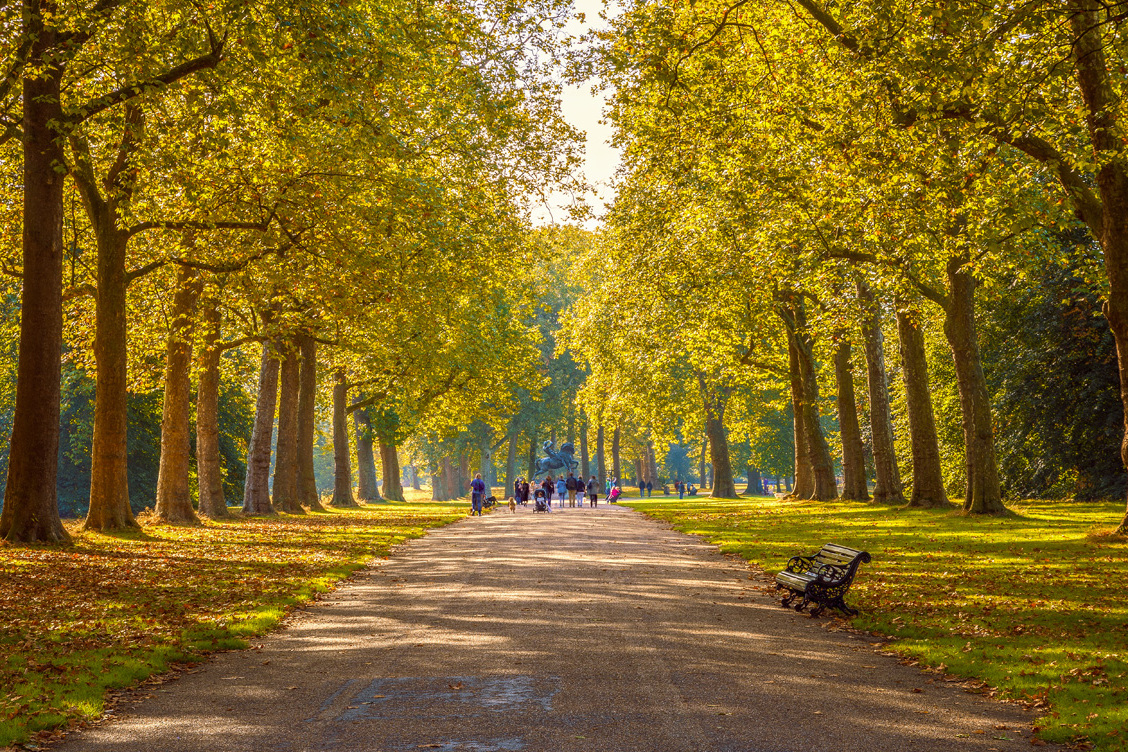

Hyde Park, sprawling majestically across 142 hectares (350 acres) in the heart of London, is not merely a park; it is a living testament to the city’s rich history and dynamic culture. Originally created in 1536 by King Henry VIII for hunting, this Royal Park has evolved through centuries, becoming a cherished communal space where nature and history coexist harmoniously.
### History and Origins The origins of Hyde Park are steeped in the annals of English royalty. Initially part of the Westminster Abbey estate, it was seized by Henry VIII, who transformed it into a private hunting ground. The park remained under royal control until the reign of King Charles I, who, in 1637, opened it to the public, allowing Londoners to experience its natural beauty. The design we see today was envisioned by architect Decimus Burton in 1825, who created a landscape that blended natural and man-made elements, ensuring the park’s role as a social and recreational hub.
Key historical events have taken place in Hyde Park, including the Great Exhibition of 1851, which showcased innovations and culture from around the world. The park has also been a stage for political demonstrations, notably the Speakers' Corner, where free speech and public debate flourish.
### Art and Architecture The architectural style of Hyde Park is a blend of natural beauty and thoughtful design. Among its notable features is the Serpentine, a large lake that snakes through the park, providing a picturesque backdrop for picnics and leisurely boat rides. The Albert Memorial, located to the south, is a stunning example of Gothic revival architecture, dedicated to Prince Albert, the consort of Queen Victoria. This elaborate monument is adorned with intricate mosaics and statues, showcasing the artistic significance of the Victorian era.
Art installations and sculptures pepper the park, with contributions from contemporary artists, making it a canvas for both historical and modern artistic expression. The Serpentine Gallery, located within the park, hosts cutting-edge exhibitions and is known for its annual architecture pavilion, designed by prominent architects.
### Local Culture and Traditions Hyde Park is not just a green space; it is a cultural cornerstone of London. The park is home to various events and festivals throughout the year, including the Summer Series, a series of concerts featuring famous musicians that bring vibrancy and excitement to the park's open-air atmosphere. Winter Wonderland, a seasonal festival, transforms the park into a festive wonderland complete with a Christmas market, ice skating, and amusement rides.
Local customs are woven into the fabric of the park, with joggers, dog walkers, and families enjoying its expansive lawns. The tradition of public speaking at Speakers' Corner remains a vital aspect of London’s culture, where anyone can voice their opinions on a variety of topics, continuing the park’s legacy of free expression.
### Gastronomy While Hyde Park is primarily enjoyed for its natural beauty, it is also a place where gastronomy shines. The park houses several cafes and kiosks, including the Serpentine Bar & Kitchen, where visitors can indulge in classic British fare. Try the traditional fish and chips or enjoy a refreshing afternoon tea with scones and clotted cream while overlooking the lake.
Nearby, the Hyde Park Café offers a delightful menu featuring locally sourced ingredients, perfect for a post-walk snack. Additionally, numerous food stalls pop up during events, showcasing everything from gourmet burgers to international cuisines, allowing visitors to savor a taste of London's diverse culinary scene.
### Lesser-Known Curiosities Beyond its well-trodden paths, Hyde Park is home to intriguing curiosities. One such hidden gem is the Diana, Princess of Wales Memorial Fountain, which features a unique circular design representing her life and legacy. Another surprising fact is that the park is home to a large population of grey squirrels, which are often seen frolicking among the trees, adding a playful element to the park’s serene atmosphere.
Many visitors overlook the Italian Gardens, an ornate water garden adorned with fountains and statues, offering a peaceful retreat away from the busier areas of the park.
### Practical Visitor Information The best time to visit Hyde Park is during the spring and summer months when the flowers are in full bloom and the weather is ideal for outdoor activities. Early mornings or late afternoons are particularly enchanting, providing a quieter ambiance for leisurely strolls.
When visiting, be sure to explore the various trails, rent a paddle boat on the Serpentine, and enjoy the numerous art installations. Bring a picnic to fully immerse yourself in the park's lush landscape, and don’t forget to check the park’s calendar for events and festivals that might coincide with your visit.
For a personalized experience in London, consider using the Secret World app to create an itinerary that captures the essence of Hyde Park and beyond.
