


Perched high on the cliffs of Santorini, Imerovigli invites visitors into a world where breathtaking vistas and ancient history intertwine. Known as the "balcony to the Aegean," this quaint village offers a stunning panorama of the caldera, making it a perfect place for those seeking both relaxation and a glimpse into the island’s rich past.
History and Origins The origins of Imerovigli can be traced back to ancient times, with its name translating to "daytime observation post." This strategic position allowed inhabitants to watch for approaching ships, including pirates, and served as a lookout for the island's early residents. The village has been inhabited since antiquity, with evidence of settlements dating back to the Byzantine era.
In the 18th and 19th centuries, Imerovigli became a refuge for wealthy merchants who built stunning mansions and churches, reflecting the island's economic prosperity during that time. One of the most significant historical events occurred during the 1956 earthquake, which dramatically changed the landscape of Santorini. Despite the devastation, Imerovigli retained much of its charm, continuing to attract visitors with its unique architectural character and historical significance.
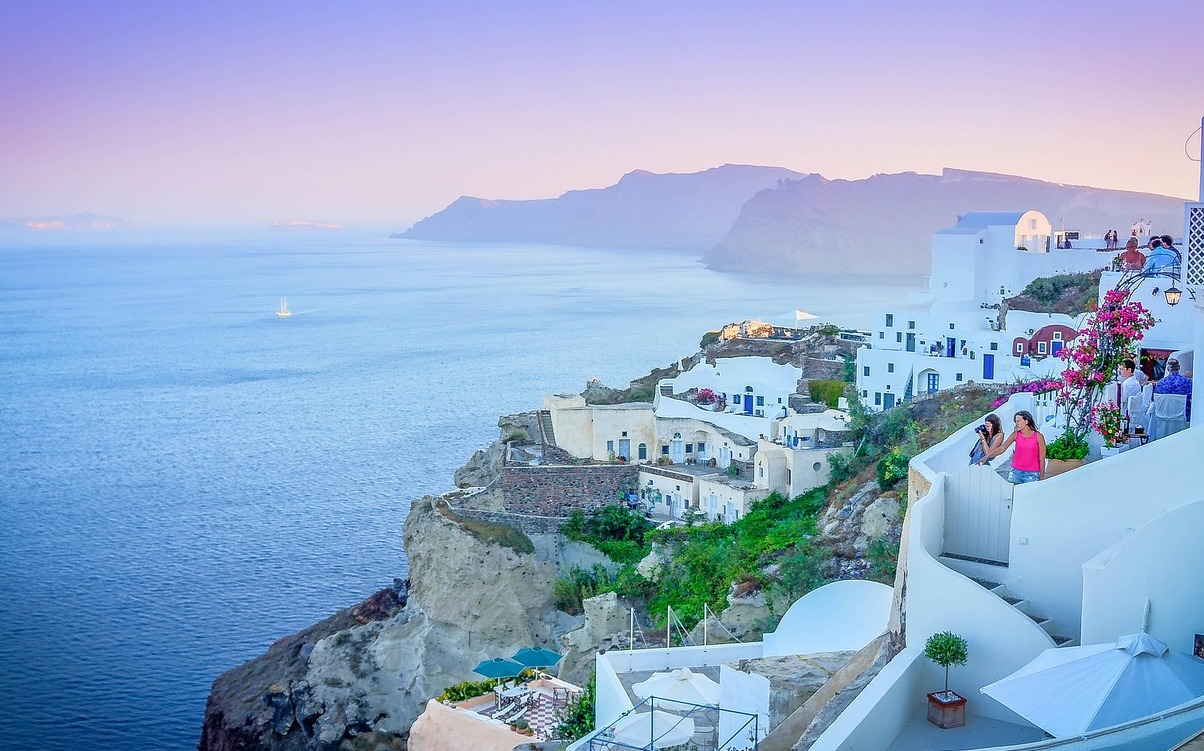
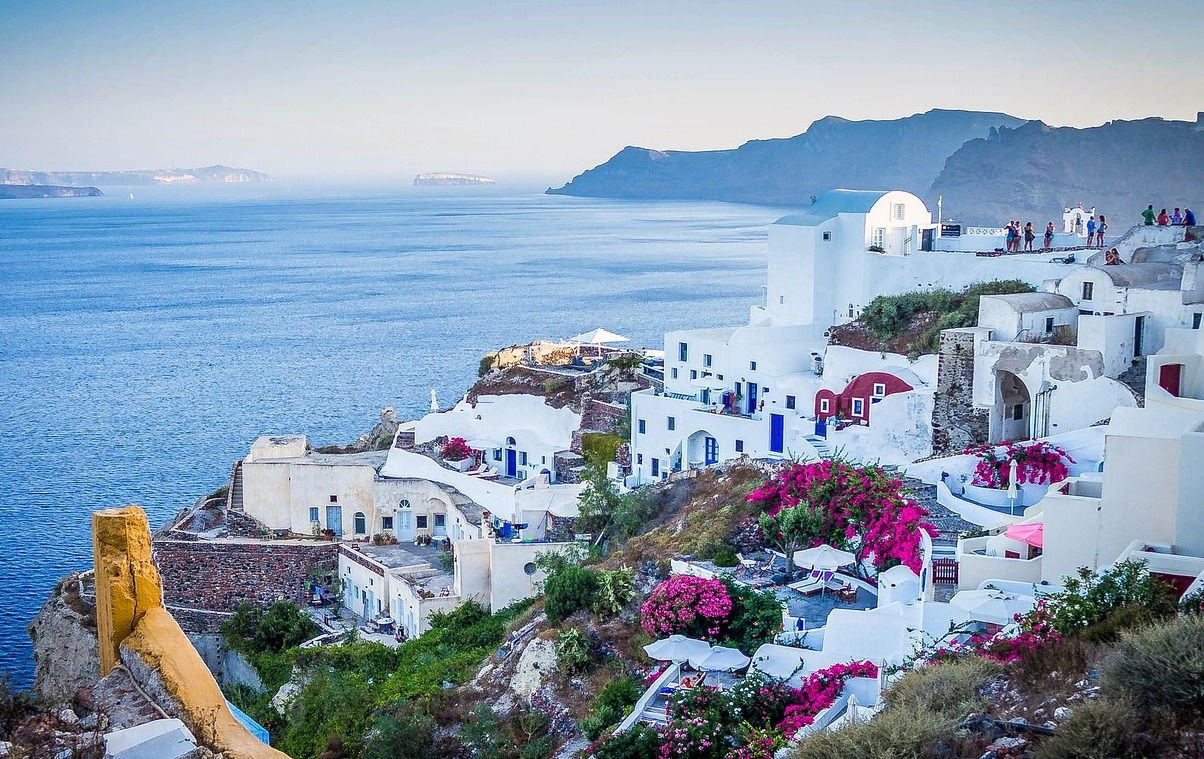
Art and Architecture The architecture of Imerovigli is a captivating blend of traditional Cycladic style and modern influences. The village is renowned for its striking whitewashed buildings adorned with vibrant blue domes, which create a picturesque contrast against the azure sea. Among the most notable structures is the Church of Panagia Malteza, which houses beautiful frescoes and offers a serene space for reflection.
Another architectural highlight is the Skaros Rock, a former fortress that dates back to the Venetian period. The remnants of the castle, which once served as a defense against pirates, still stand proudly, offering a glimpse into the village's storied past. The winding paths and narrow streets of Imerovigli are a joy to explore, revealing hidden gems and stunning viewpoints at every turn.
Local Culture and Traditions Imerovigli is steeped in local traditions and customs that reflect the island's cultural heritage. One of the most significant events is the celebration of Agios Georgios, the patron saint of the village, held annually on April 23rd. This vibrant festival features traditional music, dance, and a communal feast, bringing together both locals and visitors in a spirit of joy and camaraderie.
Throughout the year, you may also encounter traditional Greek Easter celebrations, which include candlelight processions and the painting of eggs. The village maintains a close-knit community feel, with residents proudly preserving their customs while welcoming travelers to share in their culture.
Gastronomy The culinary scene in Imerovigli is a delightful journey through the flavors of Santorini. The village is known for its fresh seafood, locally produced wines, and traditional dishes made with ingredients sourced from the island's volcanic soil. A must-try is the fava, a creamy yellow split pea puree often served with olive oil and lemon, showcasing the island's agricultural bounty.
Another local specialty is tomatokeftedes, or tomato fritters, made from the island's unique cherry tomatoes. Pair these dishes with a glass of Assyrtiko, a crisp white wine that has gained international acclaim, and you’ll have a true taste of Santorini. For dessert, indulge in the delicious baklava or the local version of galaktoboureko, a sweet custard pie wrapped in flaky pastry.
Lesser-known Curiosities While many visitors flock to the more famous spots of Santorini, Imerovigli offers hidden treasures often missed by the crowds. One such curiosity is the Agios Nikolaos church, built into the cliffside, which provides a stunning backdrop for sunset photos. Additionally, the village is home to several caves, traditionally used as storage spaces and homes, that offer insight into the island's architectural adaptations to volcanic terrain.
An intriguing anecdote is that Imerovigli was once home to a thriving pirate community, and legends of buried treasure still circulate among locals. Exploring the village, you may hear tales of these swashbuckling adventurers and the hidden coves they frequented along the coastline.
Practical Visitor Information The best time to visit Imerovigli is during the shoulder seasons of spring (April to June) and fall (September to October). During these months, the weather is pleasantly warm, and the crowds are thinner, allowing for a more intimate experience of the village’s charm.
When planning your visit, take advantage of the numerous walking trails that connect Imerovigli to other parts of the island, including the famous hike to Oia. Be sure to carry a camera to capture the stunning sunsets that Imerovigli is famous for, as the sun dips below the horizon, casting a golden glow across the caldera.
In this enchanting village, every corner reveals a story, every meal is a celebration, and every sunset is a work of art. As you plan your journey, consider using the Secret World app to create a personalized itinerary that captures the essence of Imerovigli.


