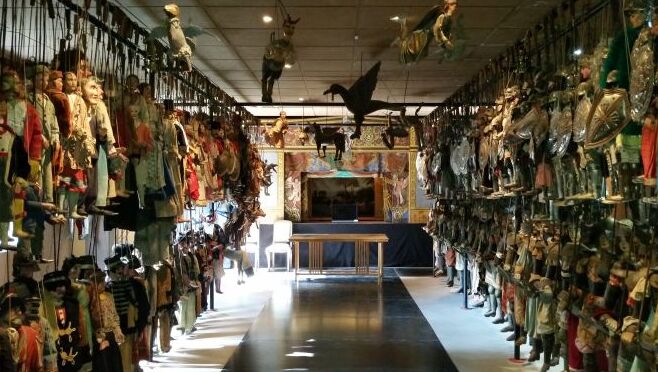

Nestled in the vibrant heart of Palermo, the International Puppet Museum (Museo Internazionale delle Marionette) stands as a testament to the rich tapestry of puppetry and performance art that has flourished in Sicily and beyond. Established in 1975 by the visionary Francesco M. D’Angelo, the museum not only showcases the art of puppetry but also serves as a cultural hub that connects visitors with centuries of tradition and creativity.
### History and Origins The roots of puppetry in Sicily can be traced back to the Middle Ages, where it was used as a form of popular entertainment and storytelling. The puppet theater, particularly the Opera dei Pupi, evolved in the 18th century and became a cultural icon of Sicilian folklore. These shows often depicted tales of chivalry and mythical heroes, captivating audiences with their dramatic narratives and intricate puppetry. The International Puppet Museum was founded to preserve this rich heritage, housing an extensive collection that reflects the evolution of puppetry across cultures.
### Art and Architecture The museum itself is a striking blend of Baroque and contemporary architectural styles, situated in a beautifully restored building in the Kalsa district of Palermo. Inside, visitors are greeted by an eclectic array of puppets and stage machinery that showcase both local and global traditions. Notable pieces include Renato Guttuso’s vibrant sets, Tadeusz Kantor’s unique puppetry machines, and Enrico Baj’s whimsical creations. Each exhibit is carefully curated to highlight the artistic significance of puppetry as a genuine form of art, transcending mere entertainment.
### Local Culture and Traditions Puppetry is not merely an art form in Sicily; it is a living tradition that embodies the local culture. Festivals celebrating puppetry, such as the Festival delle Marionette, draw both locals and tourists alike, showcasing live performances that bring historical stories to life. The museum actively participates in cultural events, aiming to keep the tradition alive and educate future generations about its importance. Visitors can often witness workshops and demonstrations that delve into the techniques of puppet-making and performance.
### Gastronomy No visit to Palermo would be complete without indulging in its culinary delights. The city is famous for its street food, and nearby you can savor local specialties such as arancini (fried rice balls stuffed with meat or cheese), panelle (chickpea fritters), and the ever-popular sfincione (Sicilian pizza). Pair these with a glass of Nero d'Avola, a robust red wine that complements the bold flavors of Sicilian cuisine. After a day at the museum, a stroll through the vibrant markets, with their array of fresh produce and regional delicacies, offers an authentic taste of local life.
### Lesser-known Curiosities While the International Puppet Museum is celebrated for its extensive collection, few know that it also houses the World Puppet Theatre Foundation, which promotes puppetry globally. The museum’s archives include rare manuscripts and photographs documenting the evolution of puppetry through the ages. Furthermore, the Catania and Naples collections feature unique puppets that tell stories specific to their regions, providing insights into local customs and histories. Each puppet tells a story, representing a blend of artistic expression and cultural narrative that resonates deeply with Sicilian heritage.
### Practical Visitor Information The museum is open year-round, but the best time to visit is during the spring and autumn months when the weather is mild, and cultural events abound. Guided tours are available, offering deeper insights into the museum's exhibits and the history of puppetry in Sicily. Be sure to look for special exhibitions and performances, as the museum frequently hosts events that enhance the visitor experience. Visitors should also take the opportunity to explore the surrounding Kalsa district, known for its charming streets and vibrant atmosphere.
In conclusion, the International Puppet Museum in Palermo is not just a repository of puppets; it is a celebration of a cultural art form that continues to captivate the world. Whether you are an art enthusiast, a history buff, or simply curious about local traditions, a visit to this unique museum is a journey into the heart of Sicilian heritage. For a personalized experience in discovering Palermo, consider planning your itinerary with the Secret World app.
